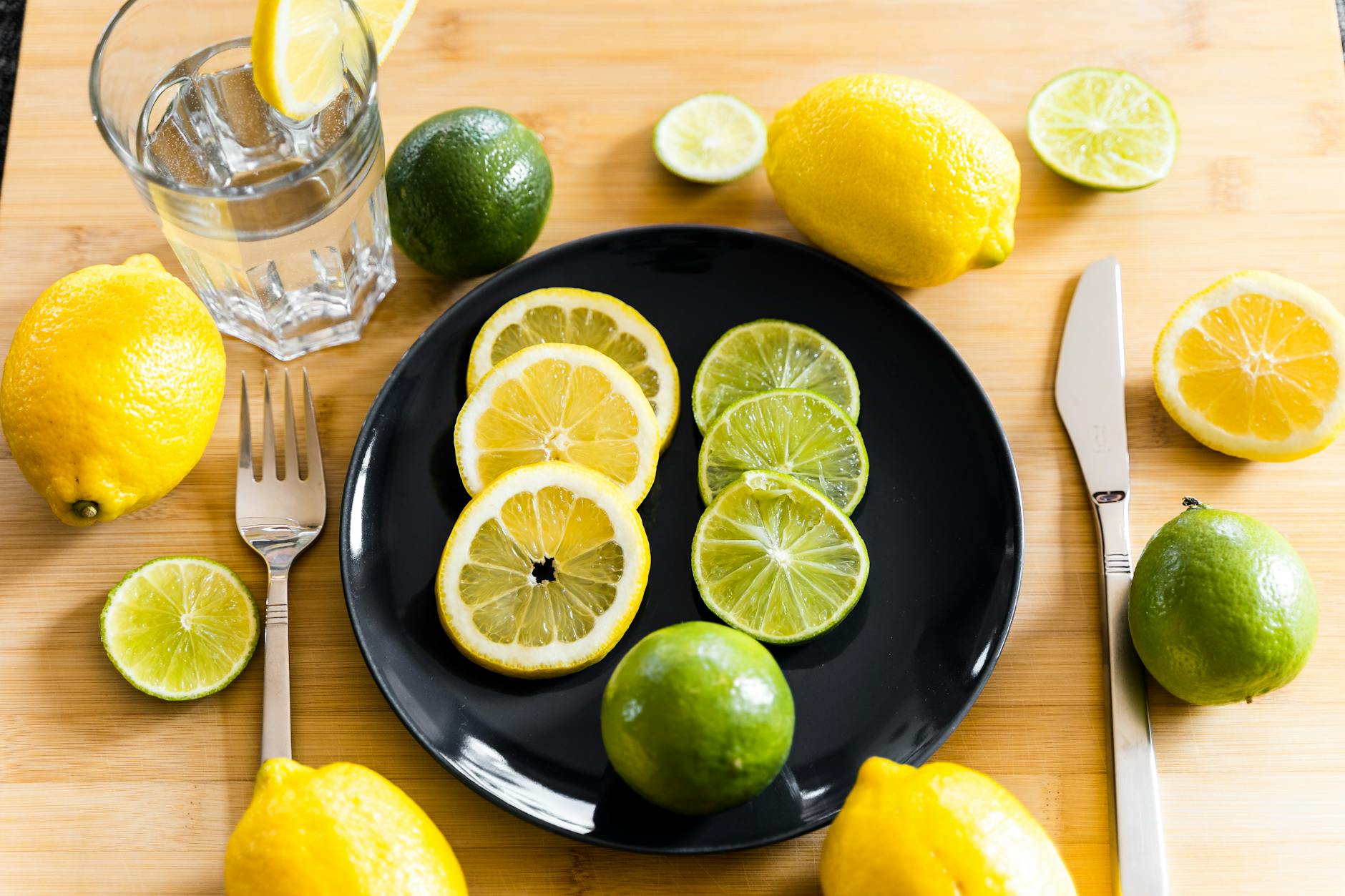
I see three patients a week who think a slice of citrus in their morning glass will undo a decade of metabolic damage. They sit on the exam table clutching their stainless steel tumblers like talismans. Lemon water does have biological effects, just not the ones you were promised on Instagram.
1. The Liver Does Not Need Cleansing
Most articles will tell you lemon water detoxifies your liver. That framing misses the point. Your liver is a filter, not a sponge holding onto sludge. Citrus simply reduces oxidative stress on those hepatic cells. We know from PubMed that lemon juice lowers malondialdehyde levels, protecting against chronic alcohol-induced injury. It gives the liver a microscopic shield. It doesn’t scrub it clean.
2. Disguising the Taste of Plain Hydration
We see patients in the clinic complaining of chronic fatigue, brain fog, and muscle cramps. At the general practice level, this often gets worked up as a thyroid issue or an autoimmune flare. The GP runs a massive blood panel. By the time they end up in my office for a second opinion, I can look at the dry mucosal lining of their lower lip and the slight tenting of the skin on their knuckles and know exactly what the labs will confirm. They’re just chronically, desperately dehydrated. “I just can’t stand the taste of plain water,” a patient told me last Tuesday. That’s where the magic of this habit actually lies. Adding a slice of citrus breaks the monotony of drinking pure water, tricking reluctant hydrators into actually consuming the seventy ounces their cells are begging for. It isn’t the tiny amount of vitamin C doing the heavy lifting here. It’s the fluid volume. Textbook presentations of dehydration include extreme tachycardia and confusion. In the exam room, it looks like a forty-year-old woman who feels mildly terrible all the time because she only drinks coffee and diet soda. Lemon water fixes the volume deficit because it makes the intake tolerable.
3. A Modest Drop in Systolic Pressure
Hypertension is a silent mechanical failure. You don’t feel your blood vessels stiffening over time. Patients always ask if there’s something natural they can take alongside their Lisinopril. A daily habit of consuming citrus does have a measurable, if slight, vascular effect. A study published in PubMed found a negative correlation between regular lemon ingestion and systolic blood pressure when combined with walking. The mechanism likely involves flavonoids improving endothelial function. Your arteries become fractionally more pliable. Does this mean you can throw away your prescription? No. But the additive effect of regular walking and daily citrus intake creates a measurable dip in that top number we love to see at your six-month follow-up.
4. The Acid Reflux Paradox
Many patients assume their heartburn is caused by too much stomach acid, when it’s frequently caused by too little. The lower esophageal sphincter needs a highly acidic environment to trigger its closure. Drinking diluted lemon juice right before a meal artificially lowers the pH of your stomach just enough to snap that valve shut.
Can something acidic actually calm an acidic stomach? Yes.
It keeps your food where it belongs.
5. The Caloric Deficit Illusion
Every January, my schedule fills with people trying a new liquid detox. They step on the scale, register a five-pound drop, and praise the citrus. The reality is far less glamorous. A PubMed review of a lemon detox diet showed it reduced body fat and insulin resistance in overweight women. How? Through severe caloric restriction. If you replace your morning caramel latte and your afternoon sugary sports drink with a glass of water flavored with a lemon wedge, you’re cutting hundreds of empty calories from your daily intake. You’re losing weight because you stopped drinking liquid sugar. The citrus merely acts as a psychological placeholder. It gives you something to hold in your hand while you endure the discomfort of changing your dietary habits.
6. Mechanical Flushing of the Kidneys
Nephrolithiasis, or kidney stones, will bring the toughest guy you know to his knees. I had a guy in my clinic last month, a commercial roofer, who looked at me with wild eyes. “Doc, I’d rather take a hammer to my own hand than pass another one of those rocks,” he said. He wanted a pill to prevent them. I told him the prescription was in his produce aisle. Kidney stones form when urine becomes super-saturated with calcium oxalate or uric acid, crystallizing into sharp little daggers. Citrate is a natural inhibitor of this crystallization. It binds to calcium in the urine, preventing it from binding to oxalate. Lemons are packed with dietary citrate. We don’t fully understand the exact absorption threshold required to halt stone formation in every genetic profile. (There is still a lot of debate in urology about how much oral citrate actually makes it to the kidneys intact). But drinking a high volume of fluid mixed with raw citrate does two things simultaneously. It physically dilutes the urine, keeping the concentration of stone-forming salts low. And it alters the urinary pH to make the environment hostile to crystal growth. It’s cheap, effective, and infinitely better than ending up in the ER at 3 AM.
7. Unlocking Plant-Based Iron
We catch a lot of borderline anemia in young women who recently switched to a plant-based diet. They eat bags of spinach and lentils, yet their ferritin levels sit stubbornly in the basement. Non-heme iron, the type found in vegetables, is notoriously difficult for the human gut to absorb. It needs a chemical escort. Ascorbic acid forces the door open. Squeezing a lemon into your water and drinking it alongside an iron-rich meal chemically reduces the iron into a form your intestinal lining can actually grab onto. You don’t need massive, megadose supplements that wreck your stomach lining. You just need a tiny bit of acid at the exact right moment to turn the food you’re already eating into a bioavailable nutrient.
8. The Subcutaneous Matrix
Dermatology marketing sells you collagen in expensive powders and creams. Your body prefers to manufacture it internally. Vitamin C is a mandatory co-factor in the synthesis of collagen. Without it, the cross-linking of collagen fibers simply halts, leading to fragile skin and poor wound healing. While a single glass of lemon water won’t erase your wrinkles overnight, chronic low-level vitamin C deficiency accelerates the structural breakdown of your dermal layer. Drinking it daily supplies a steady, low-dose drip of the exact raw material your fibroblasts require to keep stitching that matrix together. It’s biological maintenance, not a cosmetic miracle.
9. Feeding the Colonic Flora
The pulp you accidentally swallow contains pectin, a type of soluble fiber. Most people strain it out. That’s a mistake. Pectin acts as a prebiotic, bypassing the acidic destruction of the stomach and arriving intact in the colon. There, your resident bacteria ferment it into short-chain fatty acids like butyrate. This butyrate calms inflammation in the gut lining and feeds the colonocytes. Even the tiny amount of pulp from a fresh squeeze provides a microscopic feast for your microbiome. We’re learning that these small, repeated exposures to diverse plant fibers do more for your gut health than any expensive probiotic capsule on the market. Let the pulp fall into the glass.
10. The Cost to Your Enamel
There’s a mechanical tax for this daily habit. Dentists are seeing a wave of accelerated enamel erosion in patients who sip acidic water all morning. The pH of lemon juice is around 2.0, which softens the hard protective shell of your teeth on contact. When you brush your teeth immediately after drinking it, you’re literally scrubbing away your softened enamel. Over time, the teeth become translucent at the edges and highly sensitive to cold. You can mitigate this by drinking through a straw to bypass the teeth entirely. Or simply rinse your mouth with plain water afterward to neutralize the pH. Once the enamel is gone, it doesn’t grow back.
Medical Disclaimer: This article is for informational purposes only and does not constitute professional medical advice. Always consult a qualified healthcare professional before making changes to your health routine.




