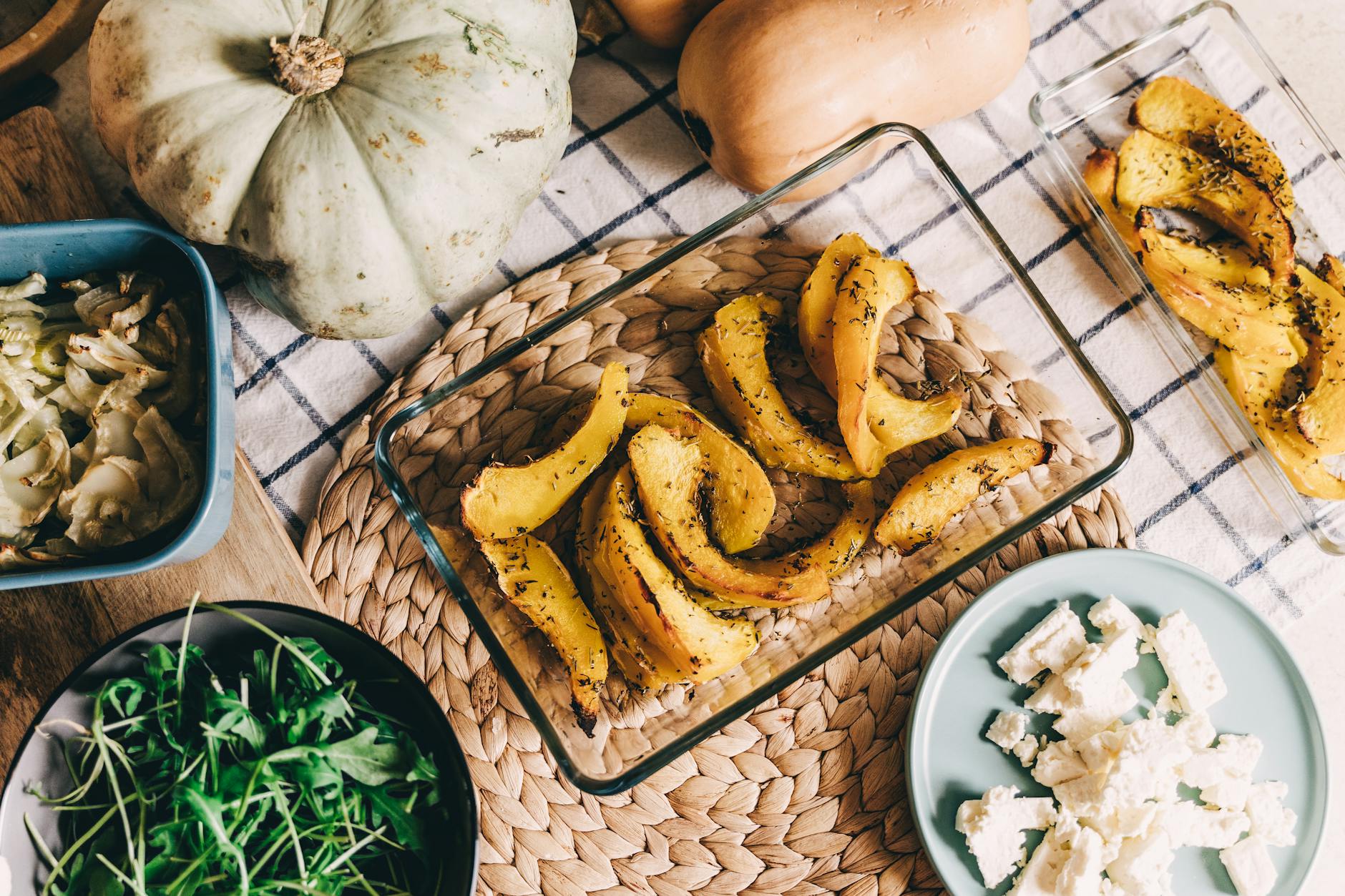
People stare at winter squash in the produce aisle and see a heavy block of starch. They walk away. What they leave behind is a dense matrix of carotenoids and potassium that behaves more like medicine than a side dish.
1. The Orange Pigment That Fools Your Liver
Most articles will tell you orange vegetables are good for your eyes. That framing misses the point. The massive beta-carotene load in this gourd doesn’t just sit there doing nothing. Your liver actively converts it into retinol based on your body’s immediate metabolic demand. If you eat a cup of cubed squash, you are handing your system a raw material stockpile. I had a patient with terrible night blindness who swore carrots did nothing at all. We swapped her to roasted butternut squash saturated in olive oil. Fat is biologically required to absorb the vitamin A precursor. Within two months, her dark adaptation tests improved remarkably. Your liver decides how much active vitamin A you need, but you have to supply the substrate.
2. A Quiet Antihypertensive
“I can’t eat bananas because of the sugar, so how do I get my potassium?” I hear this verbatim from hypertensive patients at least twice a week. They sit on the exam table clutching their blood pressure logs. They look defeated. General practitioners often hand out generic low-sodium pamphlets and send them packing. That misses half the equation. You need vascular relaxation. A standard serving of this squash delivers more potassium than that dreaded banana. It physically forces your blood vessels to dilate. When I see a patient’s systolic pressure creeping up into the 140s despite medication compliance, I start asking about their dinner plates. Textbook hypertension is all about sodium restriction. In the exam room, it is often a sheer lack of endothelial support. The mineral density here pushes back against arterial stiffness. A 2020 review in Food Science and Nutrition mapped out the antihypertensive properties locked inside the seeds and flesh. You roast the seeds. You eat them. Your blood vessels get a fractional break from the pounding force of your own heart. Most people walk around completely depleted of dietary potassium. Their kidneys are forced to hoard sodium just to keep the blood volume stable. Breaking that cycle requires massive dietary inputs of the exact minerals found inside this gourd.
3. Glycemic Deception
It tastes sweet. That scares diabetics. But the soluble fiber matrix slows gastric emptying so aggressively that the sugar barely registers on a continuous glucose monitor. You get the sweetness without the spike. Just do not boil it to mush.
4. The Center Scrape
People scoop out the seeds and throw them in the trash. You are discarding the densest nutrient cluster in the entire plant. A 2024 trial published by Pizoni tracked preschool children eating a paste made from these seeds. Their iron and zinc status improved drastically over six months. Zinc dictates immune response and wound healing. I always notice a slow-healing cut on a patient’s hand before their bloodwork confirms a mild zinc deficiency.
You literally roast the core strings and seeds with salt.
Stop throwing away the medicine. The fat profile in those seeds stabilizes the entire meal.
5. Beyond the Citrus Myth
When cold season hits, everyone buys oranges. Why do we ignore the winter crops growing exactly when respiratory viruses peak? A cup of cooked butternut squash covers a third of your daily ascorbic acid requirement. And it survives the roasting process surprisingly well. Vitamin C degrades under heat, but the thick cellular walls of the squash protect a good fraction of it. Is the exact preservation rate fully understood? No, food matrix chemistry is still largely theoretical when applied to home ovens. We just know it works in practice.
6. Mechanical Fullness
Calories do not dictate hunger. Volume and stretch receptors in your stomach do. This squash is mostly water bound in pectin. It physically stretches the gastric wall. You feel painfully full long before you can overeat.
7. The Defense Against Rust
Cellular oxidation is essentially biological rusting. You feel it in your joints first. “My knees sound like bubble wrap every time I use the stairs.” A patient told me that last Tuesday. She thought it was just age. Most aging is just unchecked inflammation. The flesh of butternut squash is saturated with cryptoxanthin. This is a highly specialized antioxidant. It hunts down free radicals in synovial fluid. The textbook describes osteoarthritis as mechanical wear and tear. Exam room reality shows a massive inflammatory component that fluctuates based on diet. You cannot regrow cartilage with a vegetable. Let me be clear about that. But you can drastically alter the inflammatory soup that bathes the joint. I look for the subtle wince when a patient stands up from a chair. That tells me more than an x-ray. They are inflamed. Their diet is likely beige. We introduce intense, pigment-heavy foods. A 2021 molecular analysis isolated anti-obesity and antibacterial compounds directly from this squash. The plant defends itself from soil pathogens. You eat the plant. You borrow its defense system for a few hours.
8. A Nighttime Sedative
Insomnia is rarely a melatonin deficiency. It is usually a nervous system stuck in overdrive. Magnesium acts as a chemical brake pedal for your nerves. There is a decent dose hiding in winter squash. (Most of my patients are walking around chronically depleted of magnesium without knowing it). They take sleeping pills. They wake up groggy. If you eat a heavy serving of roasted squash with dinner, you deliver a slow drip of magnesium to your brain right as the sun goes down.
9. The DNA Mechanic
We only talk about folate with pregnant women. It is bizarre. Every time your cells divide, they need folate to copy your DNA correctly. Without it, you get transcription errors. You get tired. Your hair thins. Conventionally grown butternut squash actually pulls heavy amounts of folic acid directly from the soil. What happens when you run low? Your blood cells get large and lazy.
10. The Olive Oil Rule
Eating steamed squash plain is a chemical waste. The beta-carotene is locked away. It requires dietary fat to cross the intestinal wall into your bloodstream. If you avoid butter or oil because you think it makes the meal unhealthy, you are passing the nutrients straight to the toilet. Pour the oil.
Nutrition is an applied science. Stop boiling your vegetables into flavorless mush and start roasting them with heavy fats.
Medical Disclaimer: This article is for informational purposes only and does not constitute medical advice. Always consult a qualified healthcare professional before making health decisions.




