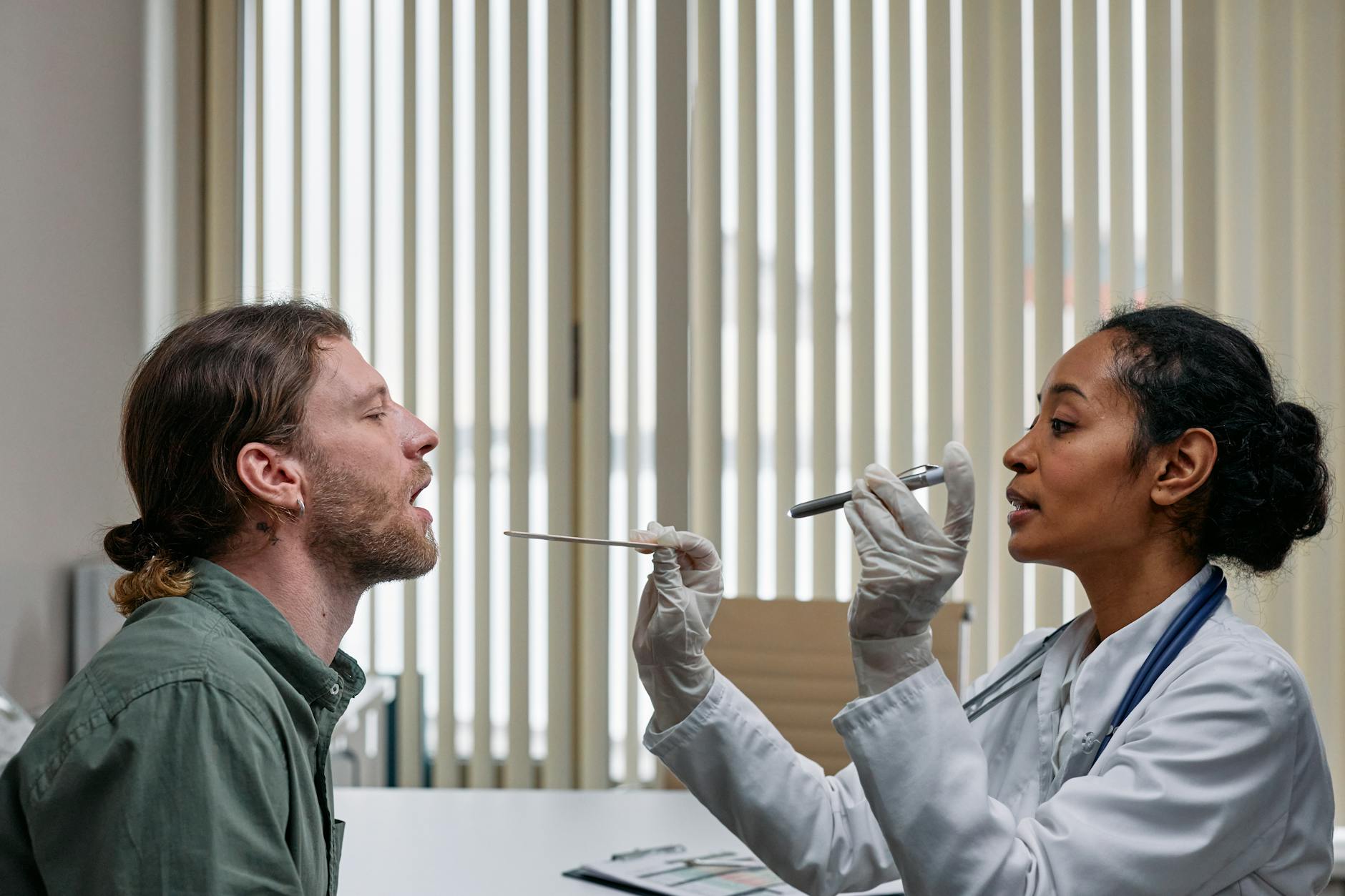
I see the panic on their faces before they even sit down. They felt a hard lump under their skin and spent the entire weekend convinced it was metastatic bone cancer.
1. The milk myth still breathes
“I stopped drinking dairy the day I found it.” I hear this verbatim twice a week. Patients assume dietary calcium builds up in the soft tissues, clustering under their skin like stalagmites. That framing misses the point entirely. Tissue calcification happens because of local trauma or systemic inflammation, not a surplus of cheese. General practitioners often nod along and suggest cutting back on supplements, which only fuels the misunderstanding. By the time they reach my rheumatology clinic, they’re osteopenic and terrified of yogurt. The body pulls calcium from the blood to wall off damaged tissue. You can’t starve a calcification by skipping milk.
2. White chalk in the real world
Textbooks describe calcinosis cutis as firm, whitish-yellow nodules. In the exam room, it looks like a tiny piece of gravel trapped under the skin of a fingertip. Sometimes it ulcerates. When it does, a thick white paste extrudes. It hurts enough to wake you from a dead sleep.
3. The shoulder that refuses to move
“It feels like someone drove a hot nail into my shoulder and left it there.” That was a mechanic from Ohio describing calcific tendinitis. Most articles will tell you rest and ice will fix it. That framing misses the point. The rotator cuff is a hostile environment for blood flow. When micro-tears happen in the supraspinatus tendon, the body attempts to repair the damage but panics. It dumps hydroxyapatite crystals into the gap instead of building normal collagen fibers. The acute resorption phase is when the true agony begins. The immune system suddenly recognizes the mineral deposit as foreign and mounts a massive inflammatory response to dissolve it. The shoulder swells. Moving the arm even an inch becomes impossible. I usually know what it is before the x-ray comes back. The patient holds their affected arm tightly against their abdomen with the opposite hand, guarding it like a broken rib. We still don’t fully understand why some tendons calcify while others heal normally. Genetics likely play a role, but the exact mechanism remains elusive. It is a biological misfire that turns a simple strain into a month-long ordeal.
4. Scleroderma and the slow buildup
Systemic sclerosis creates an environment where calcium thrives inappropriately. The skin tightens. Blood vessels narrow. Oxygen delivery drops. Chronic hypoxia changes the pH of the extracellular matrix. Calcium salts precipitate out of solution when the local environment becomes too basic. You end up with stony deposits over the elbows and knees. They sit exactly where the skin rubs against the bone. Surgical removal sounds like an easy fix. But cutting into poorly oxygenated skin often creates a chronic wound that takes months to close.
5. Kidneys dictate the rules
End-stage renal disease alters the balance of phosphorus and calcium in the blood. The parathyroid glands go into overdrive.
The resulting calciphylaxis is a brutal, unrelenting complication.
Calcium floods the small blood vessels of the fat and skin, cutting off circulation entirely.
6. Dermatomyositis in childhood
Pediatric cases break your heart. You see a child with weakness and a heliotrope rash on their eyelids. Then the lumps appear. Juvenile dermatomyositis triggers widespread calcinosis much more frequently than the adult form. The deposits form sheets of armor under the skin, restricting joint movement. The body attacks its own muscle tissue and leaves behind a trail of mineralized debris. Aggressive immunosuppression early in the disease course is the only way to prevent it. Once the armor hardens, medications rarely dissolve it.
7. Trauma leaves a mineral memory
Does hitting your leg against a coffee table cause a tumor? No, but it can cause myositis ossificans. A severe deep muscle bruise pools with blood. Fibroblasts rush in to repair the hematoma. Sometimes they get confused and differentiate into osteoblasts, the cells that build bone. You grow a shell of actual bone inside your thigh muscle. It takes about a month to show up on imaging. Early on, it mimics a sarcoma. A biopsy at the wrong stage will show rapidly dividing cells and cause unnecessary panic. We usually wait and watch.
8. The mammogram callback
Macrocalcifications in breast tissue are overwhelmingly benign. They are the remnants of old injuries, infections, or cysts. Microcalcifications are the ones that demand scrutiny. They look like tiny grains of salt clustered together on the film. These specks can indicate rapidly dividing cells leaving behind cellular debris. When ductal carcinoma in situ develops, the dying cancer cells calcify. The pattern tells the story. Linear or branching clusters raise alarms immediately. Round, scattered dots do not. The radiologist looks at the geometry, not just the presence of the mineral.
9. Pseudogout and the aging knee
We call it calcium pyrophosphate deposition disease now. The old name was catchier. Patients wake up with a swollen, angry knee that mimics a gout attack perfectly. But uric acid is innocent here. Instead, rhomboid-shaped calcium crystals shed from the cartilage into the joint fluid. White blood cells eat the crystals, rupture, and spill inflammatory enzymes into the joint space. The pain is blinding. (Cortisone injections usually work wonders within twenty-four hours). I see this constantly in patients over seventy who already have osteoarthritis. The damaged cartilage acts as a sponge for these pyrophosphate crystals. The joint fluid analysis under a polarized light microscope tells the truth. Uric acid crystals glow yellow when parallel to the light. Calcium pyrophosphate shines blue. That color shift changes the entire treatment plan. Colchicine helps, but managing the underlying joint destruction is a lifelong battle. You can’t simply flush the knee out and expect the problem to vanish. The cartilage will continue to shed crystals until the joint is replaced entirely.
10. The cold weather trigger
Raynaud’s phenomenon starves the fingers of blood when the temperature drops. The digits turn stark white, then blue, then red. Years of this cyclic starvation damage the soft tissue at the fingertips. Microtrauma accumulates. The body replaces dead tissue with calcium. Patients tap their fingers on my desk and it sounds like marbles hitting the wood. Sometimes these deposits push their way out through the fingernail bed. It leaves a jagged, open sore that invites infection. Antibiotics treat the secondary infection, but the mineral core remains embedded.
You can’t dissolve these lumps with diet changes or herbal poultices. The body places mineral boundaries around trauma it cannot heal.
Medical Disclaimer: This article is for informational purposes only and does not constitute professional medical advice. Always consult a qualified healthcare professional before making changes to your health routine.




