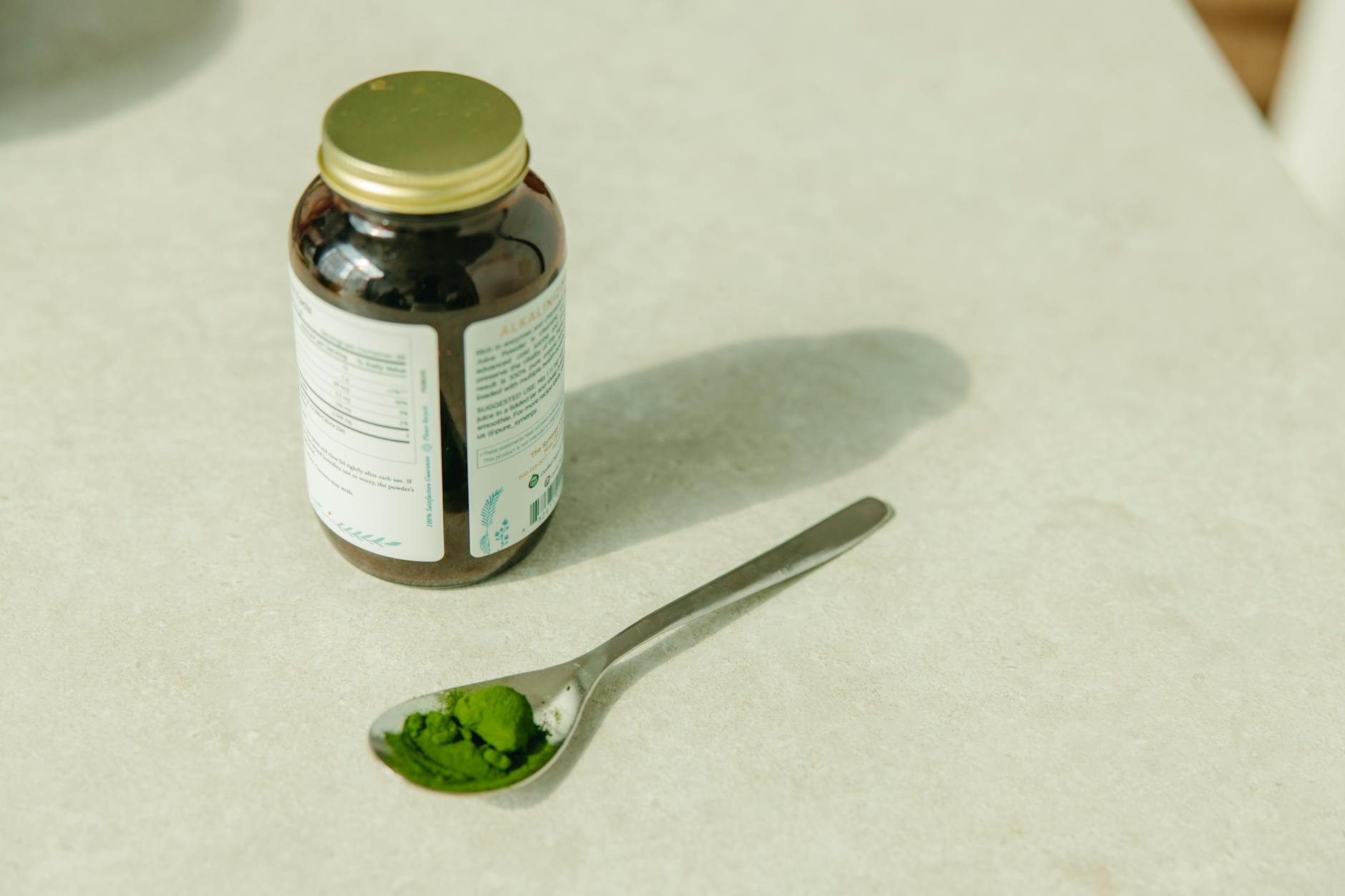
Patients sit on my exam table clutching bottles of dark green water. They ask if this liquid will fix their fatigue or detox their liver. I usually tell them the truth is far messier than the label implies.
1. The green stool panic
“I thought my liver was failing.” That was what a visibly shaking accountant told me last Tuesday. He had started drinking highly concentrated liquid copper chlorophyllin. His bowel movements turned the color of dark pine needles. I had to explain that this pigment survives the digestive tract largely intact. It paints your stool green. You’re not bleeding internally.
2. Oxidative stress in the quiet tissue
Most articles will tell you chlorophyll is an antioxidant powerhouse. That framing misses the point. You don’t just flood the body with antioxidants and magically cure cellular rust. We’re looking at a much narrower mechanism. Wang and colleagues demonstrated in 2016 that chlorophyll derivatives activate the DAF-16/FOXO-dependent pathway, which sounds like alphabet soup but actually means it signals cells to build their own stress resistance. I suspect this is why some of my chronic fatigue patients report feeling less heavy after a month of supplementation. They aren’t getting stimulated. Their cells are just handling metabolic exhaust slightly better. It is a subtle shift in how mitochondria process waste. You won’t feel a sudden rush of energy like caffeine provides. You just wake up one day and realize the afternoon slump didn’t crush you.
3. The elusive liver detox myth
People expect a scrub brush for their hepatic system. The reality of liver metabolism is incredibly boring and mostly involves enzymes conjugating toxins so you can pee them out. But there’s a subtle shift that happens in the gut. When I palpate the right upper quadrant of someone with early fatty liver, the textbook says it should feel enlarged. In the exam room, it just feels dense. Often before the ultrasound confirms steatosis, I notice their skin looks slightly gray. A 2018 paper by Zheng et al. showed that chlorophyllin actually attenuates hepatic inflammation by altering gut bacteria ratios. It downgrades Firmicutes. It isn’t scrubbing the liver. It’s stopping the gut from sending inflammatory garbage through the portal vein.
4. What the primary care doctor misses
General practitioners are trained to look for pathology. If your blood work is normal, you’re fine.
(This leaves millions of people feeling terrible with perfect lab results).
When a patient complains of lingering bloating and erratic bowel habits, a GP might throw a generic IBS diagnosis at them and prescribe fiber. As a gastroenterology-focused physician, I’m looking at the mucosal barrier. Chlorophyll binds to dietary mutagens in the intestinal tract. It physically intercepts them before they cross the epithelial lining. I had a woman in her forties say to me, “It feels like my stomach is finally exhaling.” She was taking a spinach extract heavy in natural porphyrins. We don’t fully understand the exact binding kinetics yet. But I see the clinical outcome. Her inflammatory markers dropped a few points. Her digestion smoothed out. This happens because the compound acts almost like a molecular sponge for polycyclic aromatic hydrocarbons. You eat a charred steak. The burnt bits carry carcinogens. The green pigment locks onto them in the lumen of your gut so they pass into the toilet instead of your bloodstream. It’s a mechanical blockade. Most people assume their body is failing them when digestion goes awry. They rarely consider that their gut lining is just overwhelmed by the sheer volume of inflammatory compounds we ingest daily. Adding a binder changes the local environment entirely.
5. Body weight and the inflammatory drag
Fat tissue isn’t just storage. It’s an active endocrine organ pumping out inflammatory cytokines. A 2023 review by Li and associates noted that chlorophyll-rich extracts can reduce body weight gain and improve glucose tolerance. I see this clinically when patients stall on their diets. The pigment seems to cool off the low-grade systemic inflammation. The scale finally nudges downward.
6. Deodorizing from the inside out
Nobody likes talking about body odor. A patient will wait until my hand is on the doorknob to leave before whispering that they smell bad lately. They shower twice a day but still exude a strange, sharp scent. We’ve used oral chlorophyllin in clinical settings for decades to manage fecal odor in ostomy patients. The over-the-counter wellness crowd hijacked this. It does work for general body odor, but not by acting as an internal perfume. It alters the microbial fermentation process in the colon. Less putrefaction in the large intestine means fewer volatile sulfur compounds absorbing into the blood and exiting through your sweat glands. It fixes the smell by changing the exhaust. If you smell like ammonia, you don’t need more soap. You need better bacterial chemistry.
7. The wound healing acceleration
Years ago, I had a diabetic patient with a lower leg ulcer that refused to close. We tried silver dressings and compression. Nothing moved the needle. We eventually used a topical papain-chlorophyllin ointment. The green paste looked medieval. I watched the wound bed transition from sloughy yellow to beefy red in fourteen days. The pigment slows the growth of anaerobic bacteria. It gives the body a microscopic breathing room to lay down new granulation tissue. You can’t replicate this by just drinking green juice, which is the mistake most people make. The application must be direct. It works purely on contact. I still keep a tube of it in my procedure room. It reminds me that sometimes older, simpler interventions outlast the expensive pharmaceuticals.
8. A question of glucose management
Does drinking a green smoothie cure diabetes? No. But there is an underlying mechanism worth examining. Early life supplementation in animal models retards weight gain and reverses high-fat diet dysbiosis. I see human corollaries in my practice. Patients who start incorporating concentrated liquid extracts often notice their post-meal energy crashes vanish. They stop needing a nap at two in the afternoon. The pigment delays the absorption of simple carbohydrates across the brush border of the intestine. It blunts the insulin spike. They aren’t curing their metabolic syndrome overnight. They are just flattening the curve of their blood sugar response. When your pancreas doesn’t have to panic-pump insulin to handle a sudden sugar load, your energy remains stable. That alone prevents the cascading hormonal reactions that drive stress eating.
9. The acne connection
Dermatologists love prescribing oral antibiotics for cystic acne. That destroys the gut microbiome. I had a young man in my office who had been on minocycline for three years. His face was clear, but his digestion was ruined. We tapered the drugs and introduced topical chlorophyllin gel alongside dietary modifications. The photodynamic properties of the plant compound shrink the sebaceous glands. It decreases sebum production without nuking the colon. His skin stayed relatively calm. It isn’t a flawless cure for hormonal breakouts. It just offers a reasonable alternative to carpet-bombing your immune system with tetracyclines every morning. And sometimes, reasonable is all we need to get a patient’s confidence back. He could finally eat an apple without severe cramping.
10. The copper toxicity trap
Natural doesn’t mean safe. Water is natural and you can drown in it. When you buy liquid chlorophyll, you’re almost never buying the pure plant extract. You’re buying sodium copper chlorophyllin. The magnesium atom in the center of the porphyrin ring has been chemically swapped for copper to make it water-soluble and stable on a shelf. If you drink massive doses of this every single day, you’re accumulating copper. I caught this by accident once. A young woman came in complaining of severe joint aches and chronic fatigue. Her liver enzymes were elevated. I noticed a faint golden-brown ring around the cornea of her eye. It looked exactly like the Kayser-Fleischer rings you see in Wilson disease, which is a genetic copper buildup. She didn’t have the genetic mutation. She was just downing three bottles of concentrated green wellness water a week. We stopped the supplement. Her liver enzymes normalized in a month. People assume that if one dropper makes them feel energetic, an entire bottle will make them invincible. That logic routinely lands my patients in the lab for heavy metal panels. Your body has strict transport mechanisms for copper. When you overwhelm those protein carriers, the free metal starts depositing in your liver and brain tissue. It creates oxidative damage, which is incredibly ironic given why people take the supplement in the first place.
The dose makes the poison.
You cannot out-supplement a diet built on ultra-processed food. If you decide to use this compound, check the copper concentration on the label before swallowing it.
Medical Disclaimer: This article is for informational purposes only and does not constitute professional medical advice. Always consult a qualified healthcare professional before making changes to your health routine.




