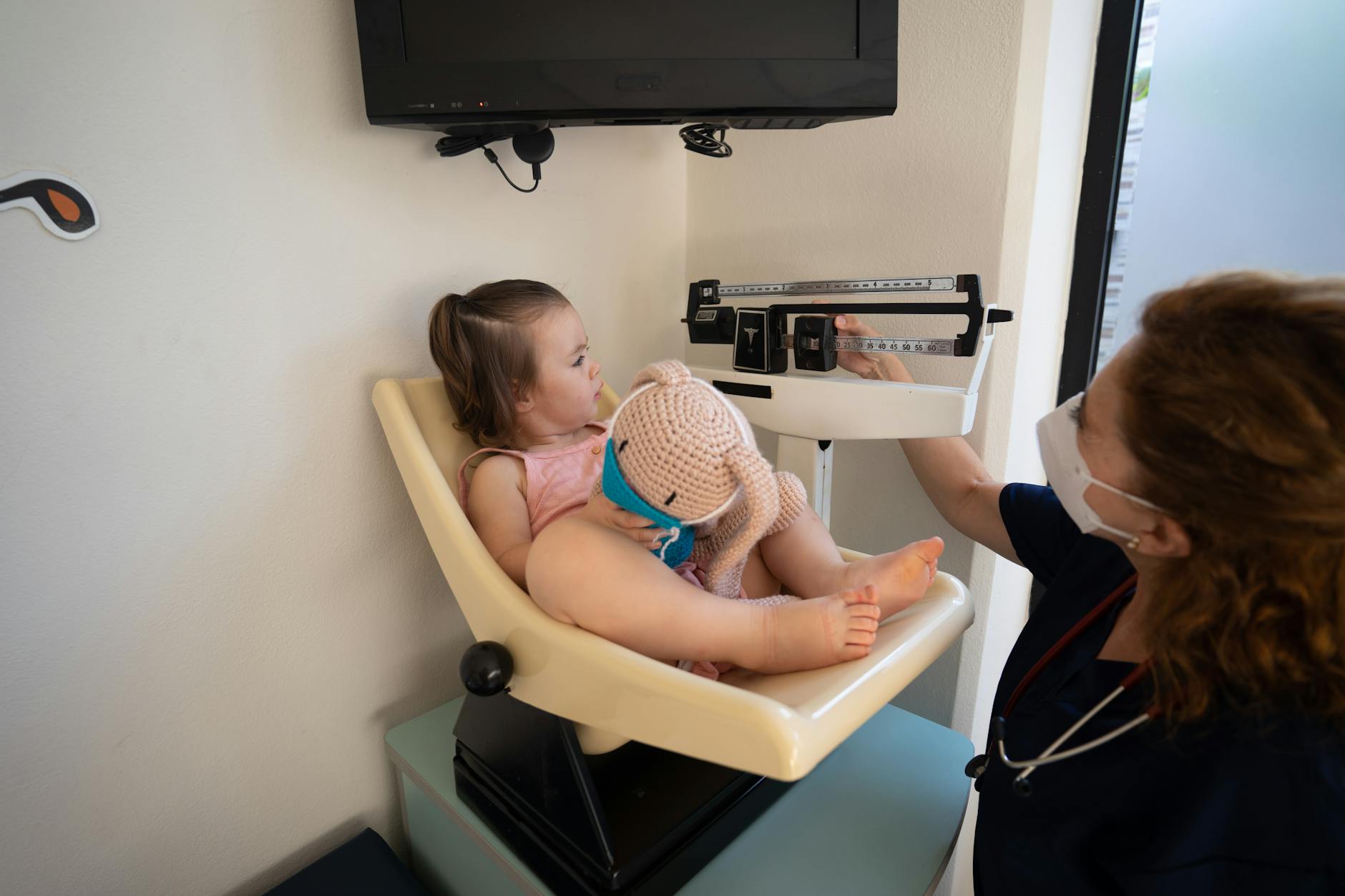
I hear it through the drywall of clinic room four before I even pick up the chart. A hollow, metallic noise echoes down the hall. It means a frightened toddler and exhausted parents are waiting for me.
1. The Midnight Ambush
Textbooks describe a mild fever and runny nose gradually leading up to the main event. In the exam room, the story I get is much more abrupt. “She was totally fine at dinner, and then midnight hit and she couldn’t breathe.” Parents tell me this verbatim. The suddenness is what makes it so terrifying. You go from a peaceful house to a medical emergency in ten minutes. The virus sets up shop in the upper airway during the afternoon.
Then the sun goes down.
Blood flow shifts when a child lies flat. The delicate tissue right below the vocal cords swells shut. We still don’t entirely understand why parainfluenza virus targets the subglottic space so aggressively in some toddlers and barely causes a sniffle in others. They just wake up gasping.
2. The Sound Precedes the Patient
I can diagnose this from the parking lot. You hear a harsh, ragged noise on inspiration before you even see the kid. It sounds exactly like someone sawing through wet wood. This inspiratory stridor is the classic hallmark of upper airway obstruction. And it tells me everything I need to know about how narrow that trachea has become.
3. Asthma Protocols Will Fail You
A local urgent care clinic often panics when a two-year-old comes in retracting their chest muscles. They assume it is a severe asthma attack. They give albuterol breathing treatments. They prescribe an inhaler. None of that works. The problem with treating croup like asthma is a fundamental misunderstanding of airway anatomy. Asthma is a lower airway disease where the small tubes deep in the lungs clamp down. Croup is an upper airway disease. The swelling sits right below the larynx. Albuterol does absolutely nothing for subglottic edema. I spend half my winter un-diagnosing asthma in toddlers who just had a bad viral infection. When a specialist looks at these kids, we use a single dose of oral dexamethasone. Sometimes we administer nebulized racemic epinephrine if the stridor occurs while resting. The steroids take a few hours to kick in. You have to wait. The epinephrine buys you that time by causing rapid vasoconstriction in the swollen mucosa. It is a very precise chemical dance. Most articles will tell you a cool mist humidifier fixes everything. That framing misses the point entirely. If the airway is tight enough to cause resting stridor, mist is just wet air hitting a closed door.
4. The Seal Bark Is Not Exaggerated
Parents struggle to describe the noise over the phone. Last Tuesday a father stood in my office and said, “He sounds like a seal trapped in a tin can.” That is exactly what it is. The vocal cords become inflamed and stiff. Every time the child forces air past them, you get that brassy, resonant bark.
5. Cold Air Works Faster Than Medicine
Families rush into the emergency department at two in the morning. By the time they get placed in a triage room, the child is breathing comfortably and playing with a stethoscope. The parents feel foolish. They shouldn’t.
(You never forget the look of a parent who thinks their child is suffocating.)
The drive to the hospital cured them temporarily. Why does the cold air work? It shrinks the swollen subglottic tissue just enough to let air pass. When you wrap a feverish, struggling toddler in a blanket and step out into the freezing November night, the sudden drop in inhaled air temperature causes instant vasoconstriction. The airway opens. You bypass the pharmacy completely just by changing the ambient temperature.
6. Steroids Are Not the Enemy Here
I constantly negotiate with parents who are terrified of corticosteroids. They read horror stories about stunted growth or suppressed immune systems. A single dose of dexamethasone is the gold standard for treating this airway swelling. It lasts for three days. That covers the exact window when the parainfluenza virus causes maximum inflammation. You give the liquid once. The kid spits half of it on my shoes. The half they swallow starts reducing the mucosal edema within two hours. We do not use a tapered dose. We do not prescribe a week of pills. It is a surgical strike against a temporary anatomical block. I don’t argue with families about daily maintenance meds. But in an acute upper airway crisis, withholding this medication guarantees a much longer, more dangerous night.
7. Fever Plays Tricks on the Breathing Rate
A high temperature naturally increases respiratory drive. When a child has a swollen windpipe and a fever of 103 degrees, they breathe faster to blow off heat. Moving air rapidly through a narrow tube creates more turbulence. That turbulence worsens the barking noise and the stridor. I always tell parents to treat the fever first. Give the liquid ibuprofen. Wait forty minutes for it to work. Watch the respiratory rate drop. Often, the terrifying airway sounds diminish simply because the child stops pulling air so aggressively. The virus hasn’t changed. The swelling hasn’t changed. You just slowed down the airflow. By reducing the metabolic demand, you accidentally treated the breathing problem. It is a basic physics equation disguised as a pediatric emergency. Slower air means less friction against the inflamed vocal cords.
8. The Second Night Is Always Worse
This is the most predictable pattern in pediatric medicine. A child gets a little hoarse on Monday. Tuesday night brings a mild barky cough that resolves with some steam from the shower. The parents think they are out of the woods. Wednesday night hits like a freight train. The second and third nights of the illness represent the peak of viral shedding and localized inflammation. The child wakes up panicked. Their chest sinks in deeply above the collarbone and below the ribs with every breath. I always warn families about night two before they leave my clinic. If you don’t prep them for the deterioration, they end up in the emergency room at dawn feeling betrayed. We track this progression very carefully. According to an observational cohort analysis, the distinctive cough resolves in about half of children within forty-seven hours, but the tail end of the illness drags out. The stridor goes away. The bark softens. But the underlying viral bronchitis lingers. You trade a terrifying respiratory crisis for a messy, wet, exhausting cough that ruins sleep for another week. The airway stops blocking air, but it starts producing endless mucus instead.
9. Steam Showers Are Overrated
Generations of pediatricians told parents to sit in a steamy bathroom with the hot water running. I used to recommend it during my residency. I don’t anymore. Steam actually does very little to reduce subglottic edema. It just makes a terrified, feverish child hot and uncomfortable. They cry harder. Crying increases oxygen demand. Increased oxygen demand pulls more air through the swollen trachea, worsening the stridor. We traded an old wives’ tale for clinical observation. Calmness is a far better intervention than ambient humidity. I prefer parents bundle the child up and open the freezer door. Let them breathe the frigid air while watching a cartoon on your phone. Distraction and cold temperatures beat a claustrophobic steam room every single time.
10. X-Rays Are Usually a Waste of Time
You do not need an image to diagnose this. The diagnosis is entirely clinical. If you take a distressed toddler and strap them to a cold plastic board to shoot a neck film, you will make the airway obstruction worse. They just scream. Their airway tightens up immediately. We only order a radiograph if we suspect something else entirely, like an inhaled peanut or a bacterial tracheitis. When we do get films, you see the classic steeple sign where the trachea narrows down to a tiny point. But I don’t treat a shadow on a piece of plastic. I treat the tired kid sitting in front of me. If the clinical picture matches the sound, we skip the radiation entirely.
Understanding the mechanical nature of this viral swelling changes how you respond in the dark. Manage the child’s panic first. Treat the fever aggressively, and use cold air to buy yourself some time.
Medical Disclaimer: This article is for informational purposes only and does not constitute professional medical advice. Always consult a qualified healthcare professional before making changes to your health routine.




