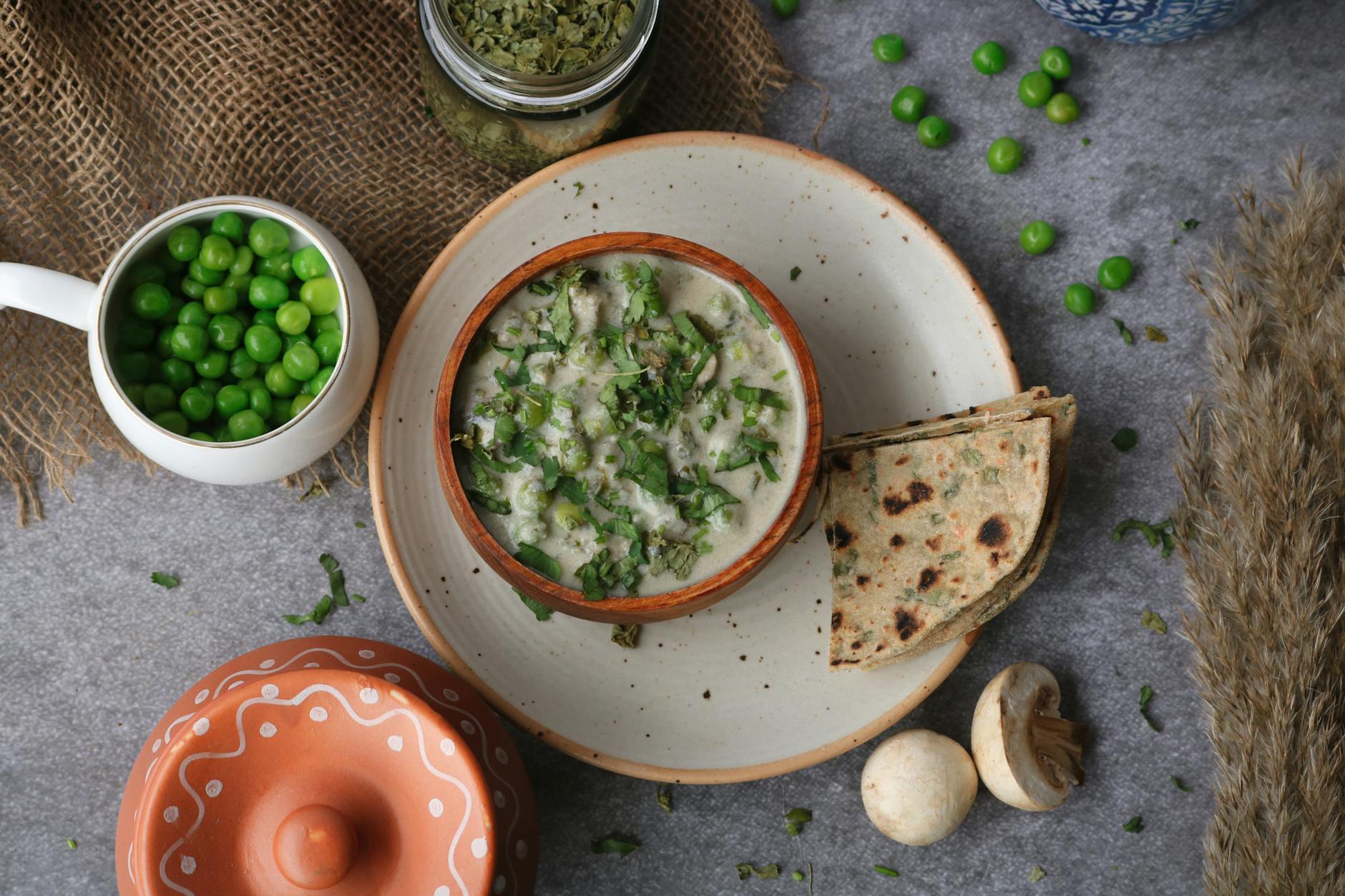
Iron deficiency affects roughly one in three people globally, making it the most widespread nutritional shortfall on the planet. Without enough iron, your body struggles to produce the hemoglobin needed to carry oxygen to your tissues — leaving you drained, foggy, and short of breath. The good news is that plenty of everyday iron rich foods can help you close the gap without supplements.
1. Spinach
Spinach has earned its reputation as a nutritional powerhouse for good reason. A 150-gram serving of steamed spinach delivers roughly 4.6 milligrams of iron, according to NIH data. The iron in spinach is non-heme, which means your body absorbs it less efficiently than iron from animal sources. However, pairing spinach with vitamin C — a squeeze of lemon or a side of bell peppers — can significantly improve absorption. Toss it into smoothies, stir it into soups, or sauté it with garlic for a quick and nutrient-dense side dish. Just one cup of cooked spinach covers a meaningful portion of your daily iron needs.
2. Red Meat
Lean beef and lamb remain among the most efficient sources of highly absorbable heme iron. A three-ounce serving of cooked beef provides about 2.1 milligrams of iron along with protein, zinc, and B vitamins. Research suggests that heme iron from animal sources is absorbed two to three times more effectively than plant-based non-heme iron. This makes red meat especially valuable for people who are actively recovering from iron deficiency anemia. Choosing lean cuts and keeping portions moderate lets you benefit from the iron without excess saturated fat. Even two to three servings a week can make a noticeable difference in your iron status.
3. Chickpeas
These humble legumes are a staple in cuisines around the world, from hummus to chana masala. A 150-gram serving of canned chickpeas provides approximately 3.3 milligrams of iron, as noted by NIH research. Chickpeas also deliver a solid dose of fiber and plant-based protein, making them a filling addition to salads, grain bowls, and stews. They are particularly valuable for vegetarians and vegans seeking reliable iron rich foods. Roasting them with a little olive oil and spice creates a crunchy snack that rivals any chip. Keep a few cans in your pantry for easy meal prep throughout the week.
4. Fortified Breakfast Cereals
Many commercially available cereals are fortified with iron, sometimes providing close to 100 percent of your daily value in a single serving. According to NIH data, iron enrichment in grain products has significantly increased dietary iron intake across the population. This makes fortified cereals one of the most accessible iron rich foods for busy mornings. Check the nutrition label and look for brands that offer at least 18 milligrams per serving. Pairing your cereal with strawberries or orange juice adds vitamin C to enhance absorption. Just be mindful of added sugars — whole-grain, low-sugar options deliver the best overall nutritional value.
5. Lentils
Lentils are small but mighty when it comes to iron content. One cup of cooked lentils contains about 6.6 milligrams of iron, roughly a third of the daily recommended intake for adult women. They cook faster than most other legumes and do not require overnight soaking. Studies indicate that lentils also supply folate, potassium, and resistant starch, which supports gut health. Their mild, earthy flavor absorbs seasonings beautifully in soups, curries, and salads. Adding lentils to your weekly rotation is one of the simplest ways to increase your iron intake on a plant-based diet.
6. Pumpkin Seeds
A single ounce of pumpkin seeds — about a small handful — packs roughly 2.5 milligrams of iron. That is an impressive amount for such a tiny snack. Pumpkin seeds also provide magnesium, zinc, and healthy fats that support heart and immune health. Clinical evidence shows that combining multiple nutrient-dense seeds and nuts in your diet may improve mineral status over time. Sprinkle them over yogurt, blend them into trail mix, or add them to salads for a satisfying crunch. They are shelf-stable and portable, making them an ideal iron-boosting snack for work or travel.
7. Oysters and Shellfish
Oysters are among the most concentrated sources of iron you can find. Three ounces of cooked oysters can deliver upward of 8 milligrams of heme iron. Other shellfish like clams and mussels are similarly impressive. According to NIH data, these foods are considered high-iron sources that provide well above 20 percent of the daily value per serving. Shellfish also supply omega-3 fatty acids, vitamin B12, and selenium. If you enjoy seafood, adding shellfish to your diet even occasionally can give your iron levels a meaningful lift.
8. Dark Chocolate
Here is a reason to feel good about your dessert. A one-ounce serving of dark chocolate with at least 70 percent cacao contains about 3.4 milligrams of iron. It also delivers antioxidants called flavanols that research suggests may support cardiovascular health. Dark chocolate is one of the more surprising iron rich foods because it rarely comes to mind alongside spinach and red meat. The key is choosing high-cacao varieties and keeping portions moderate. A square or two after dinner satisfies a sweet craving while contributing meaningful amounts of iron, magnesium, and copper to your daily intake.
9. Tofu
Tofu is a versatile protein source that also happens to be rich in iron. A half-cup serving of firm tofu provides approximately 3.4 milligrams. It absorbs the flavor of whatever marinade or sauce you pair it with, making it endlessly adaptable. Studies indicate that soy-based foods like tofu may also support bone health and provide complete plant protein. For the best iron absorption, prepare tofu alongside vitamin C-rich vegetables such as broccoli, tomatoes, or citrus-dressed greens. Whether you scramble it for breakfast or grill it for dinner, tofu earns its place on any list of iron rich foods.
10. Quinoa
Unlike most grains, quinoa is a complete protein containing all nine essential amino acids. One cooked cup delivers about 2.8 milligrams of iron along with fiber, manganese, and magnesium. It cooks in roughly 15 minutes and works as a base for bowls, salads, or even breakfast porridge. Quinoa is naturally gluten-free, making it accessible to people with celiac disease or gluten sensitivity. Research suggests that soaking quinoa before cooking can reduce phytates, compounds that may hinder mineral absorption. Swapping out white rice for quinoa a few times a week is a simple upgrade that adds both iron and overall nutritional quality to your meals.
Getting enough iron does not have to mean overhauling your entire diet. By regularly including a variety of these iron rich foods — from lentils and spinach to shellfish and dark chocolate — you can support healthy energy levels and oxygen transport throughout your body. Start by adding one or two new options to your grocery list this week and build from there.
Medical Disclaimer: This article is for informational purposes only and does not constitute medical advice. Always consult a qualified healthcare professional before making health decisions.




