Folate deficiency doesn’t just make you tired. It causes your red blood cells to swell up into giant, dysfunctional ovals that struggle to carry oxygen through your capillaries. You need this vitamin every single day because your body has almost no ability to store it.
1. The Misunderstood Leaf
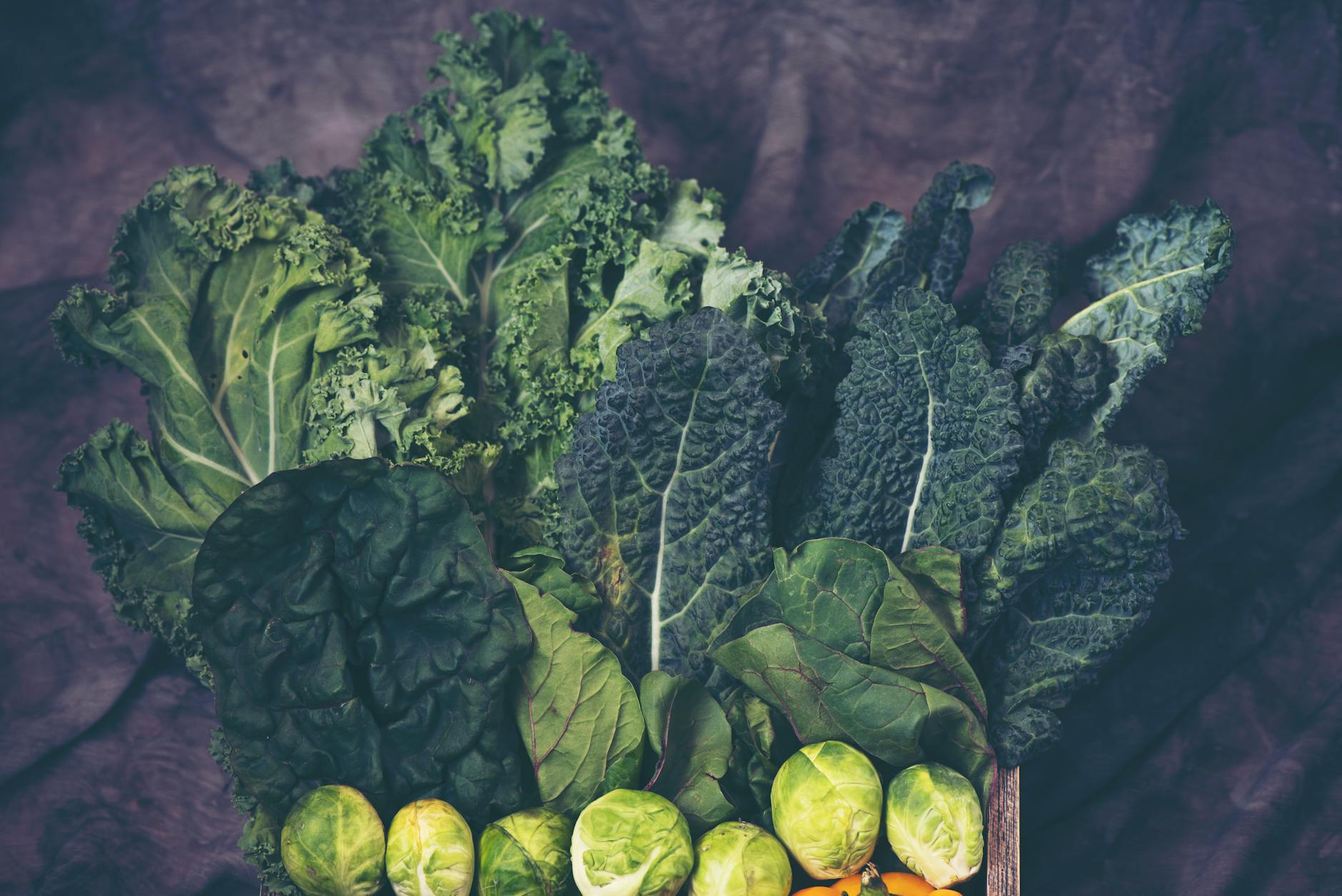
Most articles will tell you to just take a prenatal vitamin. That framing misses the point entirely. Your gut is designed to extract folate from actual plant tissue. I remember a woman sitting on my exam table three years ago. She was exhausted. “I’m eating salads every day but I still feel like I’m walking through wet cement,” she told me. She looked pale in a distinct, waxy way. I suspected macrocytic anemia before the blood draw even happened. Your marrow keeps pumping out these immature, oversized cells because it lacks the raw materials to divide the DNA properly. Textbook presentations mention lethargy. In the exam room, patients complain of dropping their keys or forgetting nouns. The issue is bioavailability. When scientists compared how humans absorb this nutrient across different meals, spinach consistently topped the list. Your digestive enzymes cleave the polyglutamate chains found in dark leafy greens quite efficiently. But you have to chew it thoroughly. People swallow massive bites of raw spinach without breaking down the cell walls. That leaves the nutrient locked inside the fiber matrix. Lightly steaming the leaves collapses those walls. You get more functional vitamin B9 into your bloodstream that way.
2. Unexpected Dairy Delivery
Nobody thinks of dairy as a source of B vitamins. We assume it’s only there for calcium. A detailed evaluation of breakfast habits showed that fortified yogurt and milk deliver a massive chunk of daily requirements. The liquid matrix makes absorption practically effortless. You don’t have to break down complex plant fibers. It just absorbs.
3. The Legume Advantage
Beans and lentils do heavy lifting in any diet. We do not fully grasp why some people clear synthetic vitamins beautifully while others build up unmetabolized folic acid in their blood. (It likely comes down to genetic variations in the MTHFR enzyme.) When researchers ran a clinical trial using natural sources like legumes and fruits, the food decreased homocysteine levels just as effectively as the synthetic pills. High homocysteine shreds the inner lining of your blood vessels. Lentils provide the methyl groups needed to recycle that dangerous amino acid back into something harmless. A single cup of cooked lentils provides almost ninety percent of your daily requirement. Boiling them too long destroys the vitamin, though. You want them tender, not turning into mush.
4. The Original Cure
And then there is liver. Before we synthesized vitamins in a lab, doctors fed patients raw beef liver to cure pernicious anemia. It tastes metallic and awful. Your liver stores what little folate you keep in reserve, which means a cow’s liver does the exact same thing. Three ounces yield more than half of what you need for the day. General practitioners often check serum B12 when someone complains of fatigue. They frequently miss the folate side of the equation entirely. You have to order a red blood cell folate test to see what is actually happening inside the tissue. Liver supplies both nutrients in their most active, methylated forms. Pan-frying it lightly preserves the integrity of the compounds better than roasting.
5. Young Soybeans
People usually eat edamame as an appetizer without thinking about the nutritional payload. These young soybeans pack an enormous amount of naturally occurring folate. Boiling them in salted water softens the pod, but the beans inside retain their dense nutritional profile. The absorption rate from soy is remarkably high.
This changes the conversation entirely.
Instead of relying strictly on fortified grains, you can get active methylfolate from a handful of steamed beans. They also bring a massive dose of choline. Your brain uses both compounds to manufacture neurotransmitters. When patients tell me they feel a persistent brain fog, I often look at their dietary choline and folate intake together. They work in tandem.
6. The Spear Strategy
Why do we see so much hidden deficiency in adults who eat vegetables? Because heat destroys folate. Asparagus is a perfect example of this problem. Four spears contain a fantastic amount of the vitamin. Boiling those spears for twenty minutes destroys more than half of it. You end up drinking green water and eating dead fiber. Roasting them at high heat for just eight minutes preserves the chemical structure. You get a crisp exterior and an intact vitamin profile. The sulfur compounds in asparagus also support glutathione production. Your cells need that antioxidant to survive daily metabolic stress. Eat them while they still have some snap to them.
7. The Discarded Seed
Milling grain removes the most nutritious part of the plant. The germ contains the embryo, and that embryo is packed with folate. Two tablespoons sprinkled over oatmeal provides a dense hit of the vitamin. It has a slightly sweet, nutty flavor. Keep it in the refrigerator. The oils in wheat germ go rancid very quickly at room temperature.
8. The Southern Staple
A man came into my clinic last November complaining about a strange sensation. “My tongue feels like I burnt it on hot coffee, but I haven’t,” he explained. I looked inside his mouth and saw a beefy, red, completely smooth tongue. Glossitis is a classic sign of severe B vitamin depletion. His diet consisted mostly of fast food and plain pasta. I told him to start eating black-eyed peas. Half a cup gives you over a hundred micrograms of folate. They also provide resistant starch that feeds your gut microbiome. Bacteria in your colon actually synthesize small amounts of folate when fed properly. You feed the bugs, and they feed you back, assuming your mucosal lining is intact enough to absorb it…
9. The Rind Secret
Cheese is rarely discussed in the context of water-soluble vitamins. The fermentation process alters the nutritional landscape of the milk. The mold that forms the white rind on Camembert actually produces folate as it grows. This is a brilliant biological quirk. The bacteria and fungi do the synthetic work for us. Clinical tests measuring blood levels after eating different foods proved that the bioavailability from Camembert is exceptionally high. You absorb it almost as well as you absorb the vitamin from raw wheat germ. This presents a fascinating option for people who cannot tolerate large volumes of rough plant fiber. Patients with irritable bowel syndrome often avoid beans and raw spinach because those foods trigger severe bloating. They end up deficient. A soft, fermented cheese bypasses the fiber problem entirely. You get the micronutrient delivered in a matrix of fat and protein. The rind itself holds the highest concentration. Don’t cut it off. Eat the wedge whole. The fat slows down gastric emptying, giving your small intestine plenty of time to extract the target molecules.
10. The Bitter Buds
A large population analysis found that vegetables and cereals drive the bulk of dietary intake across most demographics. Brussels sprouts sit right at the top of the vegetable hierarchy. They belong to the cruciferous family. These tight little cabbage heads are notoriously difficult to digest if your gut motility is slow. They ferment in the large intestine and produce massive amounts of gas. Shredding them raw into a slaw bypasses the heat destruction of cooking but maximizes the bloating. Roasting them breaks down the complex starches slightly. You still lose about twenty percent of the folate to the heat of the oven.
Your body exhausts its folate reserves in a matter of weeks if you stop eating these foods. Track your daily intake for three days to see where your baseline actually sits.
Medical Disclaimer: This article is for informational purposes only and does not constitute professional medical advice. Always consult a qualified healthcare professional before making changes to your health routine.




