I see the confusion on their faces every Tuesday morning in the clinic when we review blood work. Women come in clutching prenatal bottles, asking if they need the methylated version or the food version. The truth is your body handles dietary folate much better than the synthetic stuff stamped onto cereal boxes.
1. The Organ Meat Nobody Wants to Cook
Let me tell you about Sarah. She sat in my exam room last month looking exhausted, her skin carrying that faint translucent pallor that screams anemia before the lab slip is even printed. “I feel like I’m dragging a wet mattress around,” she told me. Most articles will tell you iron deficiency is the culprit. That framing misses the point entirely. Sometimes the marrow cannot make red blood cells because it lacks the raw building blocks, specifically B9. General practitioners often run a basic CBC, see low hemoglobin, and throw iron pills at the problem. A specialist looks at the mean corpuscular volume to see if the cells are abnormally large. Hers were. I told her to eat beef liver. People gag when I suggest it. But liver is the storage depot for vitamins in mammals. A single slice delivers more bioavailable folate than a mountain of fortified bread. You slice it thin and soak it in milk to pull out the metallic tang. Searing it with onions masks the texture. She did this twice a week, and her reticulocyte count doubled in fourteen days. The liver acts as a chemical processing plant, filtering and storing exactly what the body requires to survive periods of famine. We have forgotten how to eat nose-to-tail. Now people rely on pills to mimic what a cheap cut of meat provides naturally.
2. The Truth About Wilted Greens
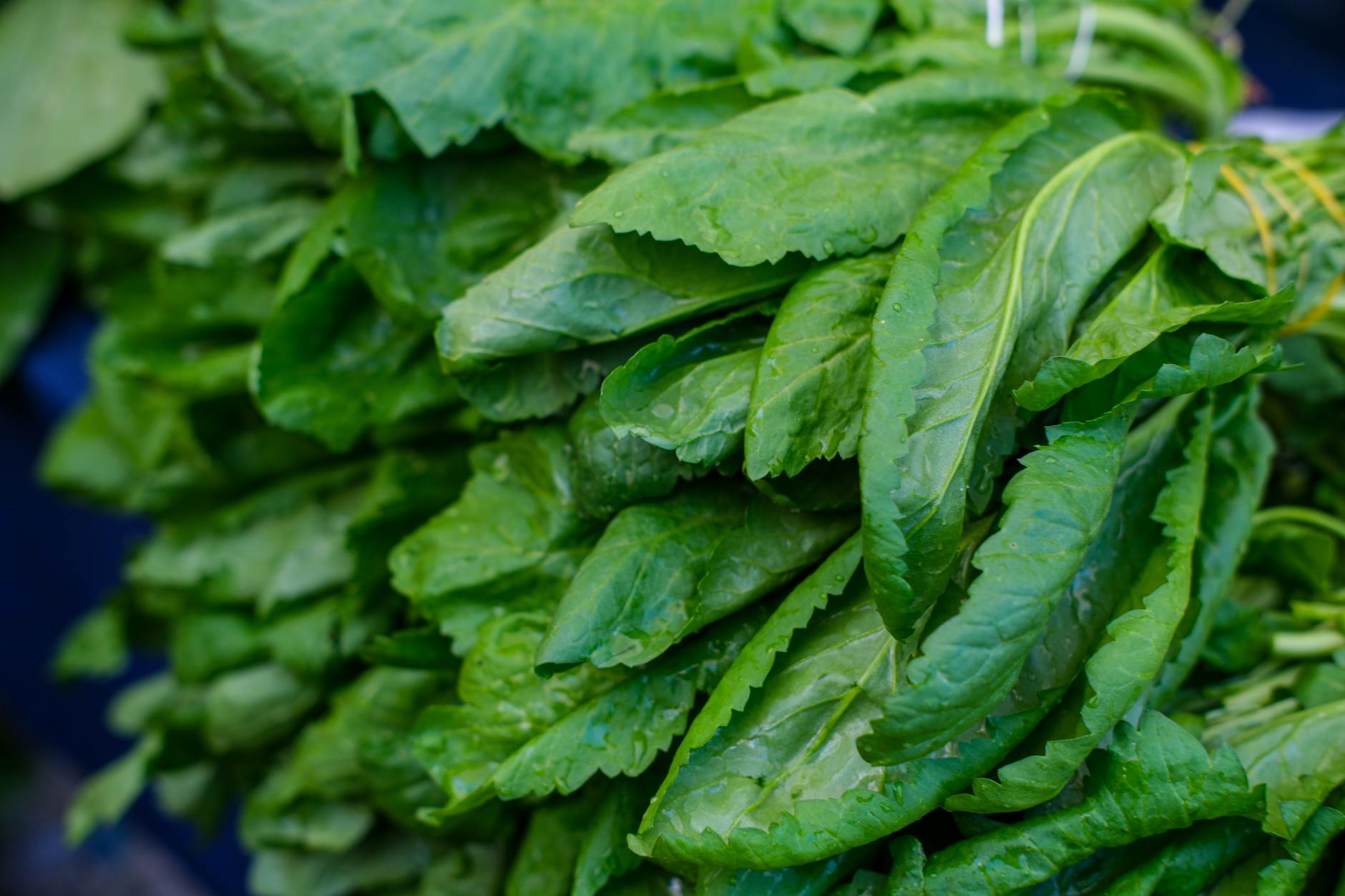
Spinach loses its water fast. You buy a massive plastic tub of it, toss a handful into a smoothie, and think you hit your quota. You didn’t. Folate degrades when exposed to heat and light for long periods.
(I sometimes wonder how much nutrition is actually left in those transparent grocery store clamshells.)
Eat it raw. Or steam it for exactly two minutes. Anything longer cooks the B-vitamins right into the water at the bottom of the pot.
3. The Pantry Staple That Actually Absorbs
Pulses are cheap. Patients ignore them because they seem too basic to be medicinal. Yet half a cup of cooked lentils provides an enormous dose of natural folate. Textbook presentations of folate deficiency mention glossitis, a swollen, beefy red tongue. I almost never see that in the clinic. What I actually see is brain fog and peripheral neuropathy mimicking early diabetes.
Does eating lentils fix nerve damage?
No. But maintaining adequate B9 levels prevents the demyelination process from starting in the first place. You have to soak them overnight. Phytic acid in the hull blocks mineral absorption. Rinsing them isn’t enough. Soaking breaks down the antinutrients.
4. The Quick-Cooking Stalks
Four spears give you nearly a quarter of your daily requirement. Most folks roast them until they turn into limp, olive-green mush. That destroys the water-soluble vitamins completely. I had a guy in his fifties ask me, “Doc, why does my pee smell funny after I eat these, but my wife’s doesn’t?” Genetics dictate whether you can smell the sulfur compounds, not whether you produce them. Everyone produces them. Asparagus also contains glutathione. That acts as an antioxidant alongside the folate. Snap the woody ends off. Blanch them in boiling water for sixty seconds. Shock them in ice water immediately.
5. The Synthetic Fortification Experiment
Here is where the distinction matters. Natural foods contain folate. Processed foods contain folic acid. They are not the same molecule. In 1998, the United States mandated that manufacturers add synthetic folic acid to enriched grain products like bread, cereal, and pasta. They did this to prevent neural tube defects in pregnancies. It worked beautifully for public health. But in the exam room, it creates a messy picture. Some people carry a variant of the MTHFR gene. They cannot efficiently convert the synthetic stuff into the active form the brain needs. Unmetabolized folic acid builds up in the bloodstream. We do not fully understand the long-term consequences of this synthetic buildup yet. If a patient comes in with elevated serum folate but still feels terrible, I immediately look at their diet. They are usually living on fortified cereal and bagels. I tell them to stop. We strip the processed grains out. We replace them with active, food-bound vitamins. It takes about three months for their cellular pathways to clear out the backlog and start running smoothly again. You cannot out-supplement a diet built on synthetic fortification. I prefer patients get their nutrition from the soil, not a factory spray.
6. The Bitter Brassica
People boil these until they turn gray. Please stop doing that. Brussels sprouts are dense with active folate. Cut them in half. Toss them in olive oil. Roast them at four hundred degrees until the outer leaves char. The charred bits taste like popcorn. You get the fiber, the B9, and the sulforaphane all at once.
7. The Yolk Contains the Value
Dietary fat scares people. A patient recently confessed, “I only eat the whites because I don’t want a heart attack.” I had to stare at my chart for a second to hide my frustration. The egg white is just protein. The yolk is where the actual life-sustaining material lives, including a solid hit of folate. Throwing away the yolk discards the choline. Your liver requires choline to process fat, while your brain uses it to build neurotransmitters. I tell my pregnant patients to eat two whole eggs every single morning. The cholesterol in the yolk barely moves your serum lipid panel. Boil them softly. Leave the center jammy.
8. The Fat That Carries the Vitamin
Avocados deliver folate wrapped in monounsaturated fat. This pairing matters. B9 is water-soluble, but eating it alongside healthy fats slows down digestion. A slower transit time allows the gut mucosa more opportunity to pull the nutrients across the intestinal wall. Half an avocado gives you about ten percent of your daily need. You slice it onto sourdough. You mash it with lime juice. The ascorbic acid in the lime actually helps stabilize the folate.
9. The Acidic Delivery System
Oranges and grapefruits are famous for vitamin C. They also quietly pack a decent amount of natural folate. Let’s look at how these interact. Vitamin C protects folate from oxidative breakdown in the stomach. The low pH environment created by the citrus actually aids the enzymatic cleavage required to absorb B-vitamins. Eat the whole fruit. Drinking juice spikes your insulin. The fiber in the pulp slows the sugar absorption down. I prefer grapefruits, provided the patient isn’t taking statins.
10. The Green Trees
A cup of chopped raw broccoli holds about sixty micrograms of folate. I see patients forcing themselves to eat it raw because they read an article claiming cooking destroys the enzymes. Chewing raw broccoli is like chewing cardboard. Lightly steaming it breaks down the tough cellulose fiber. Your gut cannot extract nutrients if the plant cell walls remain completely intact. You need heat to soften the matrix. Do not drown it in cheese sauce. Just add a pinch of salt and eat it plain.
Stop relying on synthetic fortification to fix poor dietary habits. Start incorporating one organ meat or dark leafy green into your meals every single day.
Medical Disclaimer: This article is for informational purposes only and does not constitute professional medical advice. Always consult a qualified healthcare professional before making changes to your health routine.




