I usually know a patient’s diet before their bloodwork comes back from the lab. There is a distinct gray pallor, a subtle thinning of the skin, that tells me oxidative stress is winning long before we check their C-reactive protein. We talk about cellular defense in the clinic, but the actual ammunition sits in your pantry.
1. The Dust in Your Spice Cabinet
Most articles will tell you blueberries are the ultimate defenders. That framing misses the point. The highest concentration of protective compounds isn’t in the produce aisle. It hides in the dried powders you only use during the holidays. When we measure the ability of a food to quench rogue oxygen molecules, spices like clove, peppermint, and cinnamon dwarf fresh fruit. A pinch of ground cloves carries a heavier payload than a whole bowl of strawberries. I had a woman sit on my exam table last week, clutching her swollen knuckles. “I bought the acai powder but my joints still throb,” she complained. She was spending eighty dollars a month on exotic berries while ignoring the cheap cinnamon in her cupboard.
2. The Fat-Soluble Armor of Pecans
We often treat oxidation as a water-based problem. But your cell membranes are made of fat. They need lipid-soluble protection. Pecans deliver a massive dose of gamma-tocopherol, a form of vitamin E that actively neutralizes nitrogen radicals. I see this distinction missed constantly at the general practice level. A general practitioner will advise a patient with creeping cholesterol to cut dietary fat completely to protect their heart. They strip the nuts and oils away. Then the patient ends up in my office with oxidized LDL, which is the actual driver of arterial plaque. The textbook presentation of atherosclerosis focuses on raw lipid numbers. In the exam room, the real threat is whether those lipids are rancid. Pecans prevent that rancidity. They anchor themselves right inside the cell wall. And they just wait. (The body is remarkably patient when it has the right materials). You don’t need a handful. Three or four halves a day change the chemistry of your bloodstream.
3. The Bitter Armor of Artichoke Hearts
Boiling them actually increases their protective capacity. This defies the usual rule of raw vegetables. Artichokes are dense with chlorogenic acid. It slows the release of glucose into your blood. I watch patients obsess over kale while ignoring the dense, fibrous heart of this thistle. They taste bitter for a reason. That astringency is the exact chemical halting cellular decay.
4. The Morning Ritual You Keep Apologizing For
Stop asking me if you need to quit drinking coffee. You’re likely getting the vast majority of your daily polyphenols from your morning mug. Brewed coffee consistently ranks alongside blackberries and walnuts for raw protective power. The bean is a seed, heavily defended against the sun. Roasting alters those defenses, converting them into melanoidins. These compounds scavenge rogue electrons in your vascular system. Is the caffeine load ideal for everyone? No. But the extraction of water-soluble acids from ground beans remains the most reliable dietary intervention in the Western world.
5. The Alkaloids in Bitter Cacao
“I feel like I’m rusting from the inside out,” a construction worker told me years ago, rubbing his stiff shoulders. He wasn’t entirely wrong. His systemic inflammation was relentless. We started him on high-flavanol cocoa powder. Not the Dutch-processed kind that destroys the active compounds to make it taste smooth. The raw, chalky dust. Cacao improves endothelial function. It literally forces your blood vessels to relax and dilate. The mechanism involves nitric oxide, but the trigger is the epicatechin found only in the bitterest chocolate. You eat it like medicine.
6. The Dark Pigment in Wild Berries
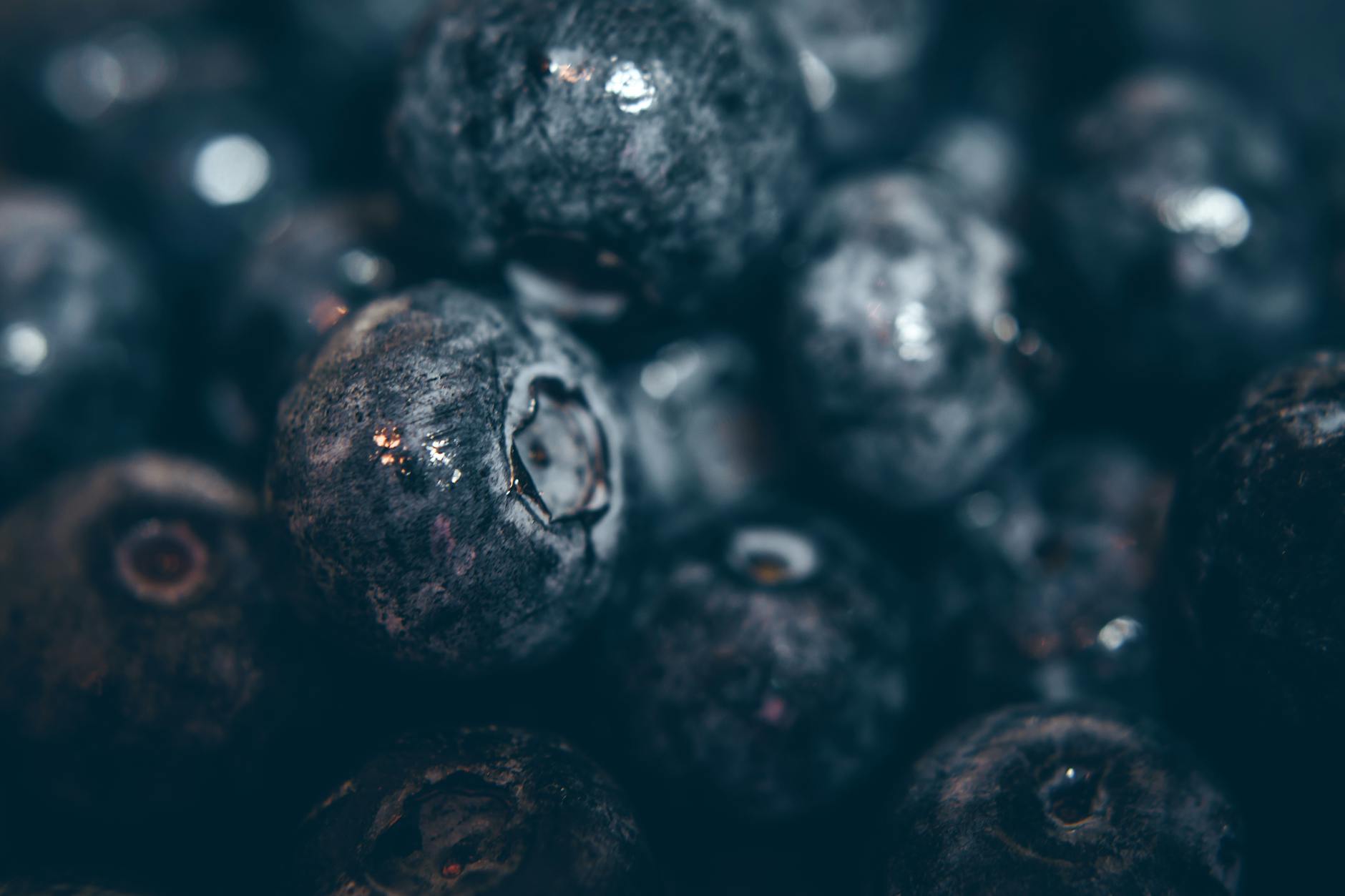
Why do we care so much about the color of the skin? Because the plant produces anthocyanins strictly as a sunscreen. When you eat a wild blueberry, you’re swallowing a defense mechanism forged by harsh ultraviolet radiation. Cultivated berries from the supermarket are bloated with water and sugar. They lack the surface-area-to-volume ratio of the tiny, wild varieties. I look at the retinas of diabetic patients and can predict exactly how brittle their capillaries are. The bleeding in the back of the eye mirrors the microscopic damage everywhere else. Blackberries and wild blueberries actively repair that endothelial lining. They don’t just float around mopping up damage. They bind to the vascular wall. They alter gene expression. We don’t fully understand how these pigments cross the blood-brain barrier yet. But they do. The cognitive preservation in older patients who consume dark berries daily is stark.
7. The Seed Coat of Small Red Beans
Forget the exotic superfood aisles entirely.
A half-cup of cheap red beans contains more protective flavonoids than a glass of pomegranate juice. The outer skin is highly concentrated with tannins. Yes, they cause gas if you fail to soak them. But that same tough exterior acts as a slow-release capsule in your gut.
8. The Volatile Oils in Garden Herbs
You smell them before you taste them. That aroma is a cloud of terpenes. Herbs such as dill, garden thyme, rosemary, and peppermint actively disrupt lipid peroxidation. If you grill meat at high temperatures, you create heterocyclic amines. These are known carcinogens. Rubbing the meat with rosemary beforehand drastically reduces the formation of these compounds. It acts as a chemical shield against the fire. You aren’t just seasoning your dinner. You’re chemically altering the reaction between animal protein and heat.
9. The Papery Skin on Walnuts
Most people find the thin, flaky skin of a walnut slightly repulsive. They scrape it off. That’s a mistake. Almost ninety percent of the phenols live in that bitter, papery layer. Walnuts contain a rare phytonutrient called juglone. I have seen countless lipid panels normalize simply by introducing these nuts. The textbook presentation suggests fish oil is the only route to lower triglycerides. But the exam room reality shows walnuts doing heavy lifting for patients who cannot tolerate seafood. They provide the substrate your liver needs to clear out metabolic exhaust.
10. The Astringent Truth of Cranberries
We reduce them to a sugary sauce once a year. Or we drink them as a transparent, sweetened juice to chase away a urinary infection. Both methods destroy the A-type proanthocyanidins. These molecules have a singular job. They prevent bacteria from adhering to the mucosal walls of your bladder and stomach. They do not kill the bacteria. They just make the tissue too slippery to grip. To get this effect, you must endure the raw, mouth-puckering tartness of the whole berry. The sugar you add to make them palatable feeds the exact pathogens you’re trying to detach.
Medical Disclaimer: This article is for informational purposes only and does not constitute professional medical advice. Always consult a qualified healthcare professional before making changes to your health routine.




