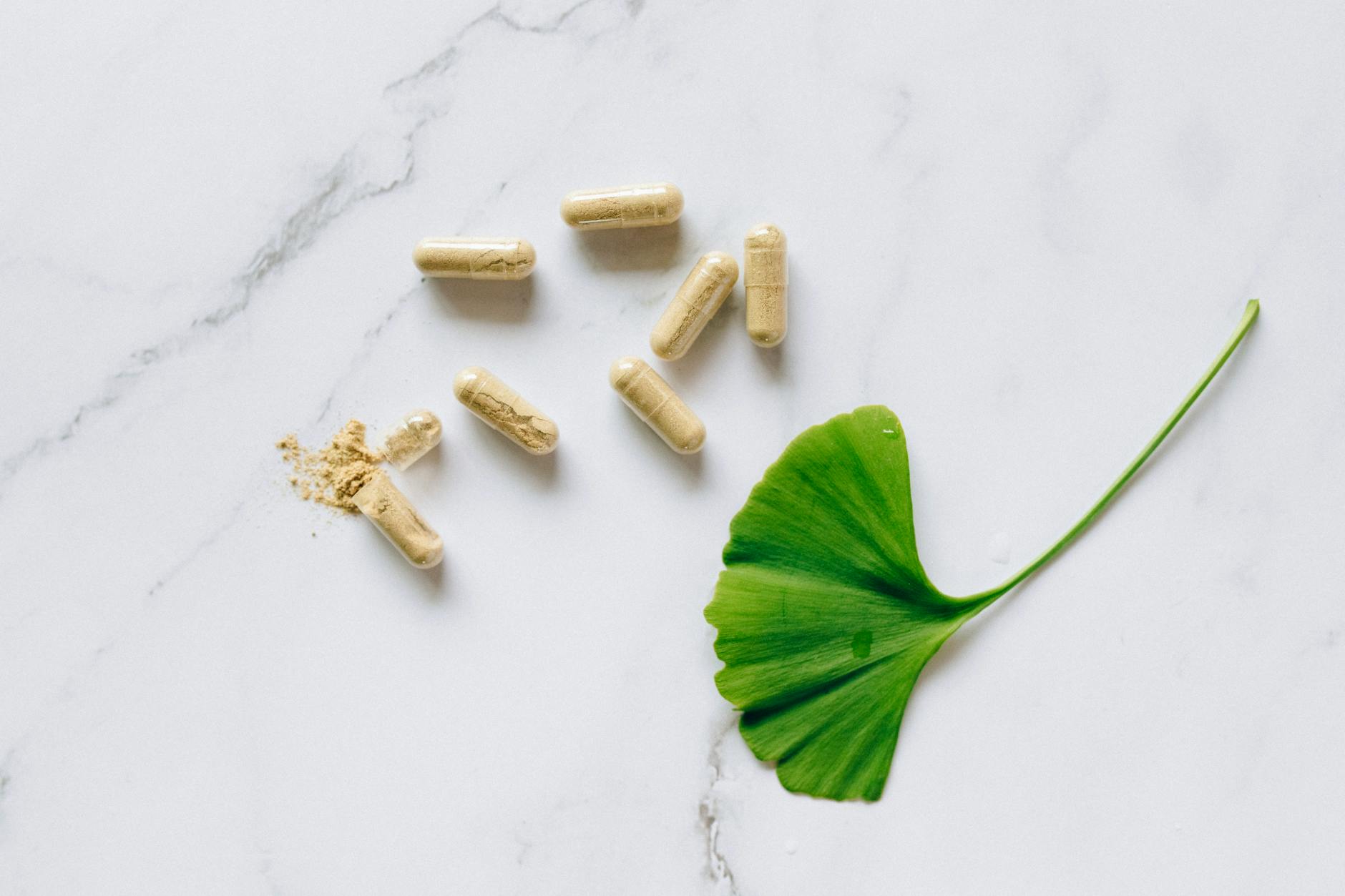
Glycine is the smallest amino acid in the human body. Yet it acts as the backbone for nearly every structural protein we rely on. I see patients daily who chase expensive peptide therapies while completely deficient in this basic building block. They walk into my clinic exhausted and aching, entirely unaware that their modern, hyper-processed diet has stripped away the exact molecule required for basic tissue repair.
1. The architecture of deep sleep
Most articles will tell you glycine is just for skin elasticity. That framing misses the point. It is actually a potent inhibitory neurotransmitter in the central nervous system. I had a patient last month sit on my exam table, entirely depleted, and say to me verbatim, “My brain feels like a car idling in the driveway all night.” She was taking melatonin, valerian root, and magnesium. Nothing worked. General practitioners often miss this because they treat insomnia as a strictly hormonal issue, quickly prescribing zolpidem. As an endocrinologist, I look at the amino acid profile. Why does a simple amino acid act like a sedative? It forces peripheral vasodilation, dropping your core body temperature just enough to initiate the rapid eye movement cycle. I started her on three grams of glycine before bed. The textbook presentation of insomnia focuses on sleep latency. What I actually see in the exam room is sleep fragmentation. Patients fall asleep but wake up at three in the morning drenched in sweat. Glycine stabilizes that thermal regulation. We still do not fully understand how it dictates temperature thresholds so precisely in older adults with compromised metabolisms. But I watched her sleep logs transform in two weeks.
2. Joint matrix regeneration
Cartilage degradation hurts. You cannot just wish it away with ibuprofen. Glycine makes up one-third of the collagen helix. Without it, the body simply halts connective tissue repair. Patients often assume their knee pain is an inevitable reality of aging. They stop walking. Replenishing this amino acid provides the exact raw material the synovial joints are begging for.
3. Glycemic control in metabolic syndrome
Blood sugar regulation requires more than just avoiding bread. Glycine stimulates the secretion of a gut hormone that helps insulin dispose of glucose after a meal. I often notice the faint, dark velvety patches on a patient’s neck, acanthosis nigricans, long before the fasting glucose test confirms insulin resistance. That visual cue tells me their metabolic machinery is stalling. A 2018 report in the Journal of Endocrinology documented how targeted treatment improves glycaemic control and cardiovascular function in diabetes models. Giving these patients three to five grams with meals blunts the postprandial glucose spike. It is a very cheap intervention. Yet it works exceptionally well for the prediabetic population struggling to manage sugar cravings.
4. Dampening systemic inflammation
Chronic swelling destroys tissue architecture over time. It is a slow burn. The body uses glycine to calm the macrophage response, essentially telling the immune system to stand down after an initial threat passes. You see this runaway inflammatory cascade in autoimmune flares constantly. An extensive analysis in the International Journal of Molecular Sciences mapped out how supplementation reduces pro-inflammatory cytokines and protects against cellular damage. When a patient tells me their hands throb every morning, I do not just reach for a steroid prescription. I consider their cellular buffer capacity. (Steroids mask the fire rather than put it out.) Flooding the system with this amino acid helps quench that underlying oxidative stress at the source.
5. Halting fatty liver progression
This is where the standard metabolic panel fails us.
Alanine aminotransferase levels can look perfectly normal on paper while the liver quietly chokes on triglycerides. I see this constantly in clinical practice. A middle-aged man comes in carrying twenty extra pounds around his midsection. He feels entirely fine. I press on his right upper quadrant and feel the slight, firm resistance of a fatty liver before the ultrasound even gets ordered. Non-alcoholic fatty liver disease is a silent epidemic driven by chronic fructose overload. Your liver requires massive amounts of glycine to process and excrete these toxic metabolic byproducts. Without it, the fat simply accumulates inside the hepatocytes. A recent clinical review showed that reversing obesity-associated glycine deficiency directly lowers hepatic aminotransferases and clears out metabolic dysfunction. I had a construction worker in my clinic recently. He looked at his abnormal liver enzymes and said, “I don’t even drink a drop of alcohol, doc, how is my liver failing?” He felt completely blindsided by the diagnosis. It was his daily soda habit entirely depleting his amino acid stores. We corrected his dietary intake and introduced heavy glycine supplementation alongside his meals. His liver enzymes halved in exactly ninety days.
6. The rate-limiting step for glutathione
Glutathione is your primary internal antioxidant. To make it, your cells require glutamate, cysteine, and glycine. We used to think cysteine was the absolute limiting factor. Clinical experience proves otherwise. Older adults synthesise far less glutathione because their baseline glycine levels plummet rapidly with age. You feel this cellular deficit as a lingering brain fog or prolonged recovery from a simple cold. The biological rust just builds up inside the mitochondria. Supplying the missing piece kicks the antioxidant factory back into gear. I routinely use this strategy for patients recovering from severe viral infections. They need the raw materials to clear out the intracellular debris. You cannot out-supplement a poor diet, but this targeted intervention accelerates recovery immensely.
7. Muscle preservation during weight loss
Caloric deficits strip away muscle tissue alongside fat. This is a massive problem for metabolic rate. Glycine prevents the breakdown of protein by acting directly on the mTOR pathway. It tells the muscle fibers to hold their ground while the body burns adipose tissue. If you are dieting hard, you are likely losing lean mass. Adding this amino acid preserves your physical strength.
8. Neurological stabilization
The central nervous system relies on a delicate balance between excitation and inhibition. Too much glutamate causes neurological excitotoxicity. You literally fry your own nerves over time. Glycine sits on the exact same receptors in the brain to gently block that overload. I use it as an adjunct therapy for patients dealing with severe anxiety and even mild panic disorders. The calming effect is palpable within an hour. They stop vibrating. It doesn’t drug them or blunt their personality like a benzodiazepine would. It simply raises the threshold for what triggers their nervous system into a sudden fight or flight state. You can watch their resting heart rate drop in real time on the clinic monitor.
9. Enhancing lifespan markers
Aging is essentially the accumulation of unrepairable cellular damage over decades. We are learning that the daily intake of select amino acids alters that trajectory entirely. A 2024 gerontology paper demonstrated how dietary glycine extends lifespan in animal models while improving sleep quality and insulin responses in humans. It essentially mimics the metabolic effects of methionine restriction. Methionine is found heavily in lean muscle meats. Our ancestors ate the whole animal, naturally balancing methionine with the glycine-rich connective tissues and bone marrow. Today, we just eat the steak. That stark dietary imbalance accelerates the aging process at a mitochondrial level. Fixing the ratio slows down the biological clock. You do not need expensive longevity drugs to correct this basic evolutionary mismatch.
10. Gastric mucosa repair
Stomach ulcers and intestinal permeability are notoriously stubborn to treat. The mucosal lining of your gut turns over every few days. That rapid cellular regeneration demands an endless supply of structural proteins. When patients present with chronic acid reflux, they are almost always handed a proton pump inhibitor immediately. That shuts off stomach acid but does absolutely nothing to heal the inflamed, damaged tissue. Glycine fuels the enterocytes directly. It rebuilds the microscopic tight junctions in the intestinal wall. I tell my chronic gut patients to stop drinking useless alkaline water and start consuming real bone broth or pure glycine powder. They desperately need structural repair. The mucosal barrier has to be physically rebuilt from the inside out.
Stop isolating symptoms and look at the structural deficits in your daily intake. Adding three grams of glycine to your evening routine provides the exact raw material your tissue desperately needs.
Medical Disclaimer: This article is for informational purposes only and does not constitute professional medical advice. Always consult a qualified healthcare professional before making changes to your health routine.




