I spent yesterday afternoon explaining to three different people why their restrictive diets were ruining their blood work. Fat is the most misunderstood macronutrient in my clinic. People either avoid it completely or consume it with reckless abandon.
1. Avocados and the Particle Problem
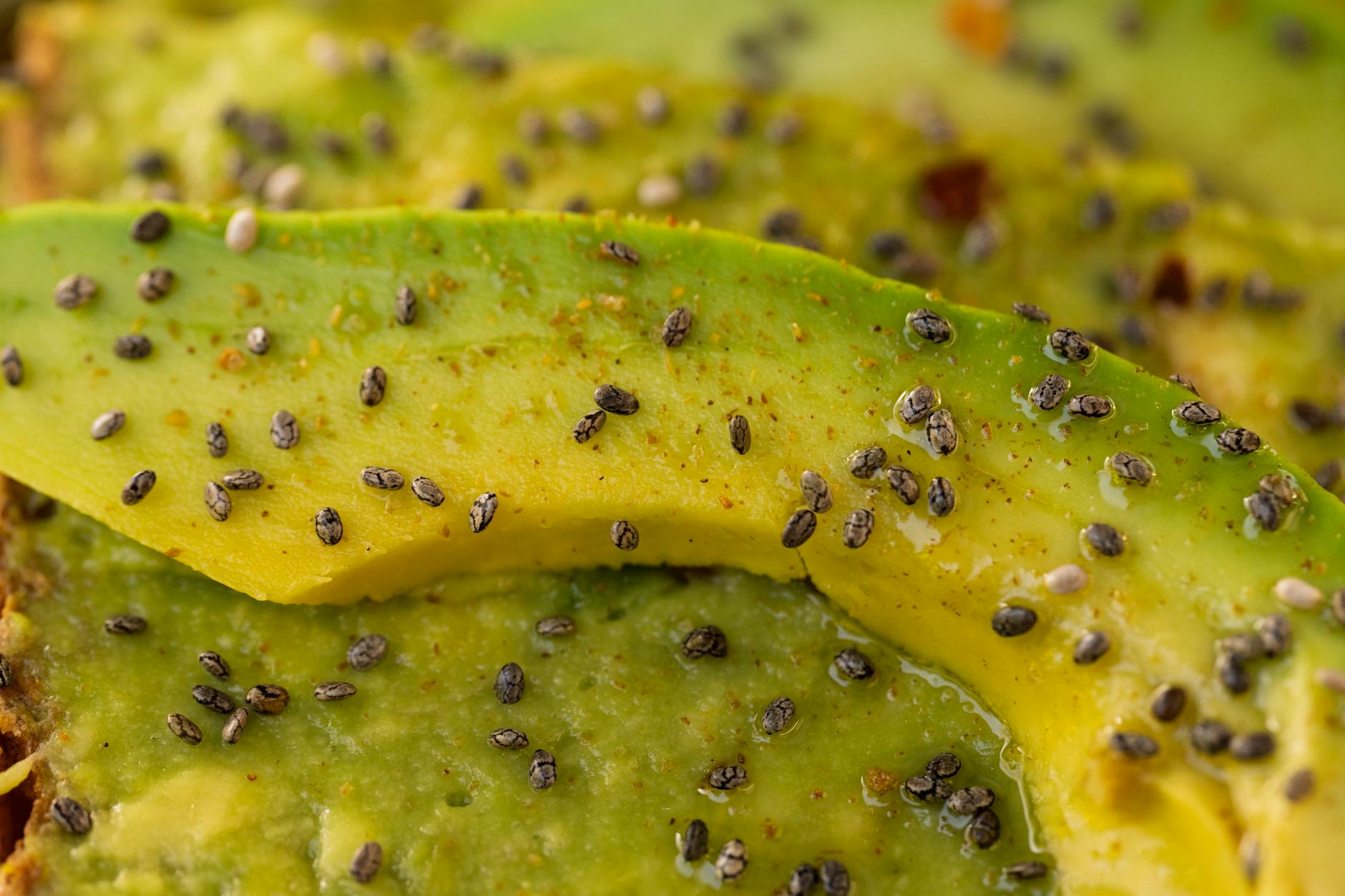
Most articles will tell you fat makes you fat. That framing misses the point. Avocados are packed with monounsaturated fats. At the general practice level, a doctor might flag a slightly elevated total cholesterol and advise cutting back on everything rich. In my specialty clinic, we look at the actual size of the lipid particles instead. Avocados help shift those particles from small and dense to large and buoyant. Dense particles get stuck in artery walls. Buoyant ones bounce off. I had a guy in his fifties eating three avocados a day because a podcast told him to. His joints felt great but his weight was climbing rapidly. Fat is incredibly dense with calories. The liver processes every single gram you swallow. We reduced his intake to half an avocado daily. His lipid panel stabilized perfectly. Exactly why some individuals hyper-absorb dietary fats while others excrete them is not fully understood yet. The enzymes in your gut dictate how much lipid actually crosses into your bloodstream. But the volume dictates the poison. You cannot hack your biology by drowning it in guacamole. I see patients who blend whole avocados into smoothies. They drink a thousand calories before nine in the morning.
2. Butter in the Morning
“I am eating fat to burn fat, so why do my pants feel tighter?” a frustrated patient asked me last Tuesday. She was dropping chunks of butter into her morning coffee. Your gallbladder cannot handle that sudden, massive load on an empty stomach. Bile production lags behind the intake. You end up with dull pain under your right ribs. You just feel sluggish.
3. Almonds and the Satiety Trap
We heavily promote nuts as the ultimate snack. They do contain excellent polyunsaturated fats. But people eat them out of large bags while watching television. A 2020 clinical review published in Nutrients demonstrated that high-fat diets correlate positively with rising body weight and an elevated risk of obesity across both sexes. You graze on almonds thinking you are doing your heart a favor. Then you consume a thousand calories before dinner. Chewing nuts thoroughly actually changes how much fat your gut extracts. Swallow them whole and they pass right through.
4. Olive Oil as a Beverage
Does pouring heavy glugs of extra virgin olive oil over every meal fix a broken metabolism? Hardly. We see patients who treat olive oil like a prescription medication. They take shots of it.
Fat does not behave the way you think it does.
The liquid coats your stomach lining, which aggressively slows down gastric emptying. That is exactly why a heavy pour leaves you feeling nauseous by mid-afternoon. We prefer you use it to cook vegetables. The fat helps your intestines absorb vitamins A and K.
5. Fatty Fish and the Long Game
Salmon and mackerel bring omega-3 fatty acids into your system. These molecules actually calm down the immune system. They quiet the low-grade inflammation that damages blood vessels over decades. An extensive 2020 meta-analysis in the BMJ looking at 19 studies found that polyunsaturated fats lower mortality from cardiovascular events. You do not need to eat fish every day. Twice a week is plenty. Beyond that, you start running into issues with heavy metal accumulation. I prefer my patients get their omega-3s from smaller fish like sardines. They live shorter lives and accumulate fewer toxins.
6. Ribeye Steaks and Hidden Signs
During medical school, textbooks tell students that fat malabsorption looks like pale, floating stools. In the exam room, patients rarely describe it that way. They tell me the toilet is hard to flush and smells distinctly metallic. (We see this constantly in the post-holiday diet panic.) Desperate people switch to eating massive ribeye steaks every single night. Saturated animal fats behave completely differently in your bloodstream than plant fats do. I can often spot a heavy saturated fat load before the blood tests even come back from the lab. I will be talking to a patient and notice tiny, yellowish deposits pooling right in the inner corners of their eyelids. That condition is called xanthelasma. It happens when macrophages engorge themselves with cholesterol and settle under the thin skin of the face. You see it, and you just know their LDL is sitting above 190. They always act surprised. Your body was not designed to process twenty ounces of charred beef at sunset. The liver works overtime while you sleep. You wake up sweating. Your core temperature rises as your digestive tract struggles to break down the dense muscle fibers and marbled fat. You toss and turn all night. Then you come to my office complaining of insomnia.
7. Aged Cheese and Digestion
A heavy cheese habit binds people up. The calcium combined with the heavy saturated fat load halts intestinal motility. Patients come in complaining of sudden, severe constipation. They blame a lack of fiber. I ask about their evening cheese habit. Cutting the cheddar usually resolves the abdominal cramping within forty-eight hours.
8. Coconut Oil in Everything
Five years ago, everyone started swapping their cooking oils for coconut fat. The marketing was aggressive. But coconut oil is overwhelmingly saturated fat. A 2020 review in the journal Nutrients linked diets high in these heavily saturated fats to an increased risk of metabolic syndrome and diabetes. Your cells become less responsive to insulin when bathed in palmitic acid. Sugar backs up in the blood. You feel endlessly thirsty. I always tell my diabetic patients to leave the coconut oil in the pantry.
9. Bakery Goods and Trans Fats
You will rarely see trans fats on a label anymore. Food manufacturers use clever loopholes to hide them. They list partially hydrogenated oils instead. These manipulated fats physically stiffen your cell membranes. A detailed report from the National Academies Press documented how these artificial lipids directly elevate the risk of colon and breast cancers. The fat literally disrupts how your cells communicate with one another. A patient once told me, “I only eat the muffins from the organic shop.” Organic sugar and organic hydrogenated oil will still destroy your endothelial lining.
10. Full-Fat Dairy and Hormones
Skim milk acts like sugar water in your gut. When you remove the fat from dairy, you remove the mechanism that tells your brain you are full. Whole milk contains lipids that trigger the release of cholecystokinin. That hormone shuts off your appetite. Women dealing with fertility issues often do better on full-fat yogurt. The fat matrix contains hormones necessary for ovulation. I watch patients struggle with thin, watery yogurts for years. They switch to the whole milk version and finally feel satisfied after breakfast.
Medical Disclaimer: This article is for informational purposes only and does not constitute professional medical advice. Always consult a qualified healthcare professional before making changes to your health routine.




