You hear the hack before you even open the exam room door. It sounds like a goose honking through a plastic tube. Owners always rush in convinced their dog is choking on a stray chicken bone.
1. The Choking Illusion
Veterinary textbooks outline a dry, barking cough that reads as entirely too polite. In the actual exam room, it looks like a violent, terminal retch. Owners panic. They grab their dog in the waiting area, dragging them toward the desk. “He keeps trying to hack something up, like a hairball,” they tell my receptionist. Dogs do not get hairballs. They get airway inflammation that tricks their brain into thinking a physical object is stuck in the pharynx. The dog gags, produces a puddle of white foam on my floor, and looks instantly relieved. You mop it up. The cycle repeats ten minutes later.
2. A Syndicate, Not a Lone Gunman
General practice vets often just write a script for doxycycline assuming a standard bacterial load. Board-certified internists look harder at the viral co-infections when a dog refuses to improve. This illness is practically never a solo operation. We call it Canine Infectious Respiratory Disease Complex because it behaves like an organized syndicate. A 2020 veterinary review by Sykes outlines how multiple viral and bacterial agents collaborate aggressively, especially when dogs are housed in tight quarters. The parainfluenza virus might break down the mucosal defenses first. Then, the bacteria casually walk through the open door. Why do antibiotics sometimes fail entirely? Because a bacterial drug simply bounces off a viral membrane. You are treating the secondary looters while the fire still burns. We have to manage the entire airway environment, supporting the immune system while targeting the exact secondary invaders that threaten to push the infection deep into the lower lung lobes. If an owner demands a quick pill to fix a viral respiratory complex, they leave frustrated. The airway requires time to regenerate the tiny hair-like cilia that sweep debris out of the lungs. Until those microscopic brooms grow back, the dog will keep hacking. The inflammation persists long after the initial pathogen dies.
3. The Bordetella Breach
Most articles will tell you the kennel cough vaccine prevents the disease entirely. That framing misses the point. The liquid we squirt up their nose or inject under their skin merely blunts the clinical severity. A 2017 immunology report by Ellis demonstrated that intranasal mucosal vaccines reduced coughing by only twenty-four percent compared to a placebo in crowded shelter environments. You vaccinate to keep the dog out of the oxygen cage, not to stop the cough completely. Owners get angry when their fully vaccinated golden retriever starts honking after boarding. I have to explain that the shot did its job perfectly. The dog is awake, eating, and breathing without assistance.
4. The Five-Day Delay
The incubation period deceives everyone. Your dog played at daycare last Tuesday. They appear perfectly healthy all through the long weekend. The virus replicates quietly in the respiratory tract while you take them to the crowded dog park on Sunday. Monday morning, the hacking begins. And you immediately blame the dog park. The daycare was actually ground zero.
5. The Palpation Trigger
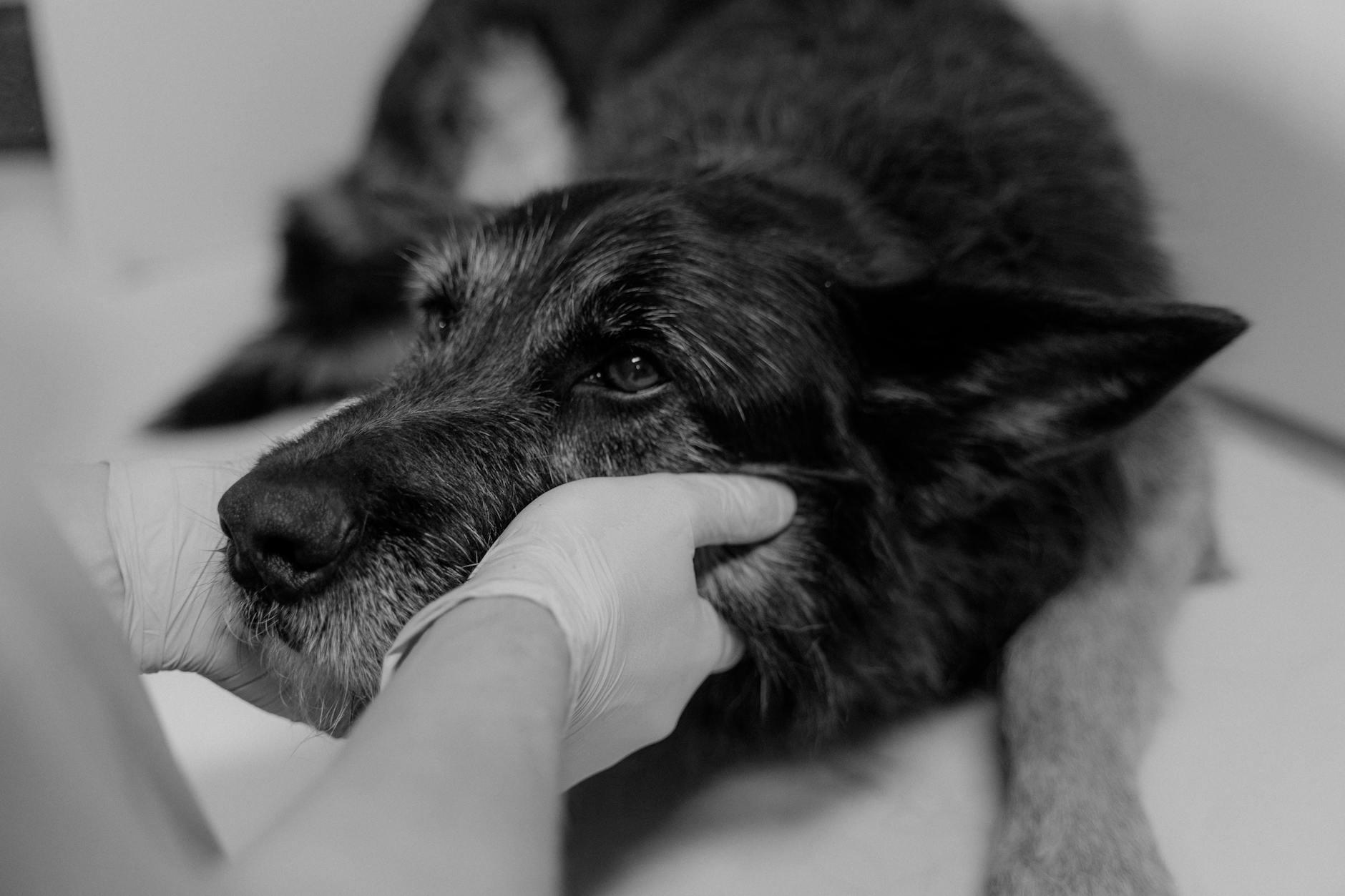
I usually walk in, stroke the dog’s throat lightly while introducing myself to the owner. Instantly, the dog drops its head and spasms into a honking fit. My diagnostic work is practically finished before my stethoscope leaves my pocket. The trachea becomes incredibly sensitive to touch. We call it a positive tracheal pinch. The cartilage rings lining the windpipe are red, angry, and swollen. A gentle rub mimics the sensation of a collar pulling, triggering the exact reflex loop that keeps the animal awake all night.
6. When the Hack Turns Wet
Those uncomplicated cases stay strictly in the upper airway. The trouble starts when the noise deepens into a wet, chesty rumble. “She just lays there staring at the wall,” an exhausted owner will whisper to my tech. That abrupt lethargy signals a dangerous vertical drop into the lower lung fields. The infection evolved into pneumonia.
7. The Ghost Phase
Symptoms actually disappear long before the animal stops being contagious. A dog might stop gagging on a Wednesday. The owner triumphantly returns them to agility class on Friday. That animal is actively shedding bacteria across the entire obstacle course. We generally tell people to wait two full weeks from the last sound of a cough before mixing with the general population. The bugs survive on shared water bowls, tennis balls, and the hands of well-meaning strangers who pet every dog they see. Isolation feels punishing to an energetic puppy. Breaking quarantine just resets the timer for every other dog in the neighborhood.
8. Collar Compression
Pulling on a standard flat leash exacerbates the physical damage. Every time a dog strains against a flat neck collar, the nylon digs into an already raw windpipe. (You would be shocked how many dogs come in wearing prong collars while hacking up foam.)
We strictly switch them to a chest harness until the inflammation subsides.
Taking away that mechanical pressure gives the mucosal lining a fighting chance to heal. Some owners resist, claiming their dog pulls too hard on a harness. I usually reply that treating a crushed trachea is far harder than teaching loose-leash walking.
9. Uncharted Co-Infections
We still do not entirely understand why the identical bacterial load causes a mild tickle in a spaniel and catastrophic respiratory collapse in a bulldog. Science suspects host immunity, but there are missing pieces in the viral puzzle. A 2024 paper in Veterinary Microbiology by Chen highlights how unmapped co-infections heavily dictate the severity of the disease. A dog might harbor a mild, asymptomatic mycoplasma colonization for months without anyone noticing a thing. Add a fresh bordetella exposure to that sleeping giant, and suddenly the lungs fill with fluid overnight. The diagnostic respiratory panels we run at the lab only look for the usual suspects. If a novel viral strain sweeps through a boarding facility, our standard PCR swabs come back totally negative. We treat the patient based entirely on clinical signs, flying blind regarding the exact microscopic enemy. The dog struggles to oxygenate, the owner watches the intensive care bill climb, and we throw broad-spectrum support at a highly targeted attack. We rely heavily on the animal’s own white blood cells to do the actual heavy lifting. My job simply involves keeping the dog hydrated and breathing while their immune system figures out the combination to the lock. It is a waiting game played with oxygen cages and intravenous catheters.
10. Steam Therapy Realities
A hot shower loosens the airway secretions. Owners simply drag a dog bed into the small bathroom, crank the water heat on high, and pull the door shut behind them. The steam hydrates the dry mucosal lining. It works just like a cheap humidifier in a toddler’s bedroom, breaking up the thick mucus pooling in the back of the pharynx. The dog invariably coughs violently the second they emerge into the cold hallway. That productive hack clears the trash. You wipe their nose, shut off the water, and let them sleep.
Record the sound of the cough on your phone before driving to the clinic. We need to hear the exact pitch of the gag to rule out a collapsing trachea.
Medical Disclaimer: This article is for informational purposes only and does not constitute professional medical advice. Always consult a qualified healthcare professional before making changes to your health routine.




