Fetal alcohol syndrome (FAS) is one of the leading preventable causes of developmental disabilities worldwide, yet it remains widely underdiagnosed. Understanding its signs early can open the door to interventions that genuinely improve a child’s quality of life. Whether you’re a parent, caregiver, or educator, recognizing these markers is an important first step toward getting the right support.
1. Distinctive Facial Features
One of the most recognized indicators of fetal alcohol syndrome involves specific facial characteristics. These may include a smooth ridge between the nose and upper lip, thin upper lip, and small eye openings. While these features can be subtle, trained healthcare providers often use them as key diagnostic markers. Research published in PubMed notes that advances in facial recognition technology are showing promise for improved and earlier diagnosis of fetal alcohol spectrum disorders. Not every child with prenatal alcohol exposure will show these traits. However, when present alongside other signs, they strongly support further evaluation.
2. Growth Deficiencies
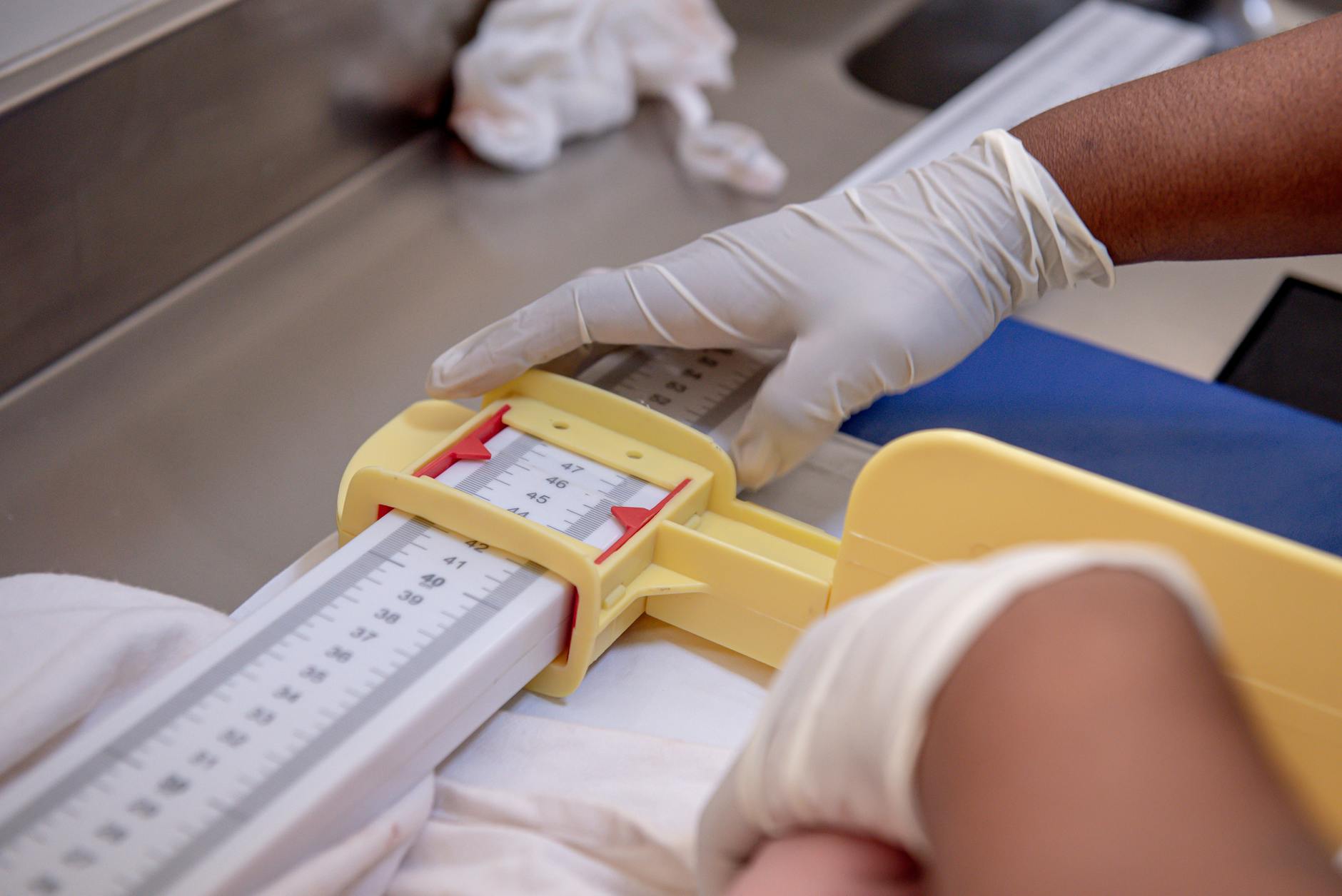
Children with fetal alcohol syndrome often experience slower physical growth than their peers. This can show up before birth as low birth weight and continue through childhood. Height and weight may consistently fall below average growth charts despite adequate nutrition. Pediatricians typically track growth patterns over time, and persistent deficiencies may prompt a closer look at possible prenatal causes. If a child seems unusually small for their age, it is worth discussing developmental screening with their doctor.
3. Learning Difficulties
Struggles in the classroom are among the most common and impactful signs of fetal alcohol syndrome. Children may have difficulty with reading, math, or understanding abstract concepts. These challenges stem from the way alcohol disrupts brain development during pregnancy. According to PubMed, in utero alcohol exposure results in a wide range of neurobehavioral outcomes, including deficits in intelligence, executive functioning, language, and memory. Early educational interventions and individualized learning plans can make a meaningful difference.
4. Poor Memory and Attention Span
Many children affected by prenatal alcohol exposure struggle to remember instructions or stay focused on tasks. They may seem to learn something one day and completely forget it the next. This is not a matter of effort or willfulness — it reflects genuine differences in how the brain processes and stores information. Teachers and parents often notice these patterns early in school-age years. Working with specialists to develop memory strategies and structured routines can help children manage daily demands more effectively.
5. Behavioral Challenges
Behavioral issues frequently accompany fetal alcohol syndrome and can look different at every age. Young children may have intense tantrums or difficulty following rules. Older children and teens might display impulsivity, poor judgment, or trouble understanding social boundaries. These behaviors often stem from underlying brain differences rather than intentional defiance. A behavioral therapist experienced with FASD can help families develop practical strategies for managing these challenges at home and school.
6. Speech and Language Delays
Delays in speech and language development are another hallmark of fetal alcohol spectrum disorders. A child may start talking later than expected or have trouble forming complete sentences. Difficulty understanding spoken language can also be present, even when hearing is normal. These delays can cascade into social problems, since communication is central to making friends and navigating school. Speech-language therapy started early in life tends to produce the strongest results for children with these difficulties.
7. Poor Coordination and Motor Skills
Prenatal alcohol exposure can affect both fine and gross motor skills. Children may appear clumsy, have trouble with balance, or struggle with tasks like writing, buttoning shirts, or tying shoes. As noted by NCBI, fetal alcohol syndrome is associated with neurobehavioral deficits from alcohol exposure at any stage of pregnancy, which includes motor development. Occupational therapy can be particularly helpful in building these physical skills. Parents should discuss any motor concerns with their child’s healthcare provider for proper assessment.
8. Difficulty with Social Interactions
Social skills often develop unevenly in children with fetal alcohol syndrome. They may struggle to read facial expressions, understand personal space, or pick up on social cues that peers grasp naturally. This can lead to isolation, frustration, and difficulty maintaining friendships. These challenges are rooted in the brain’s impaired ability to process complex social information. Social skills groups and role-playing exercises guided by a therapist can help children practice interactions in a safe, supportive setting.
9. Sensory Processing Issues
Some children with FASD are unusually sensitive to sounds, textures, lights, or tastes. Others may seem under-responsive, seeking out intense sensory experiences. This inconsistency can make everyday environments like noisy classrooms or crowded stores overwhelming. Sensory processing differences are linked to the way prenatal alcohol affects brain wiring. An occupational therapist specializing in sensory integration can design activities and environmental modifications that help a child feel calmer and more regulated throughout the day.
10. Heart and Organ Abnormalities
While brain-related symptoms receive the most attention, fetal alcohol syndrome can also affect physical organ development. Heart defects, kidney problems, and skeletal abnormalities have all been documented in children with FAS. Research from PubMed confirms that FAS represents the severe end of fetal alcohol spectrum disorders, with prenatal alcohol primarily affecting brain development but also contributing to broader physical impairments. Regular medical checkups are essential for catching and managing these conditions early. If your child has a confirmed FASD diagnosis, ask their doctor about screening for organ-related complications.
Recognizing the signs of fetal alcohol syndrome early gives children the best chance at receiving supportive interventions that can shape their development in positive ways. If you notice several of these signs in a child you care for, reach out to a pediatrician or developmental specialist who can guide you through a comprehensive evaluation and connect you with appropriate resources.
Medical Disclaimer: This article is for informational purposes only and does not constitute medical advice. Always consult a qualified healthcare professional before making health decisions.




