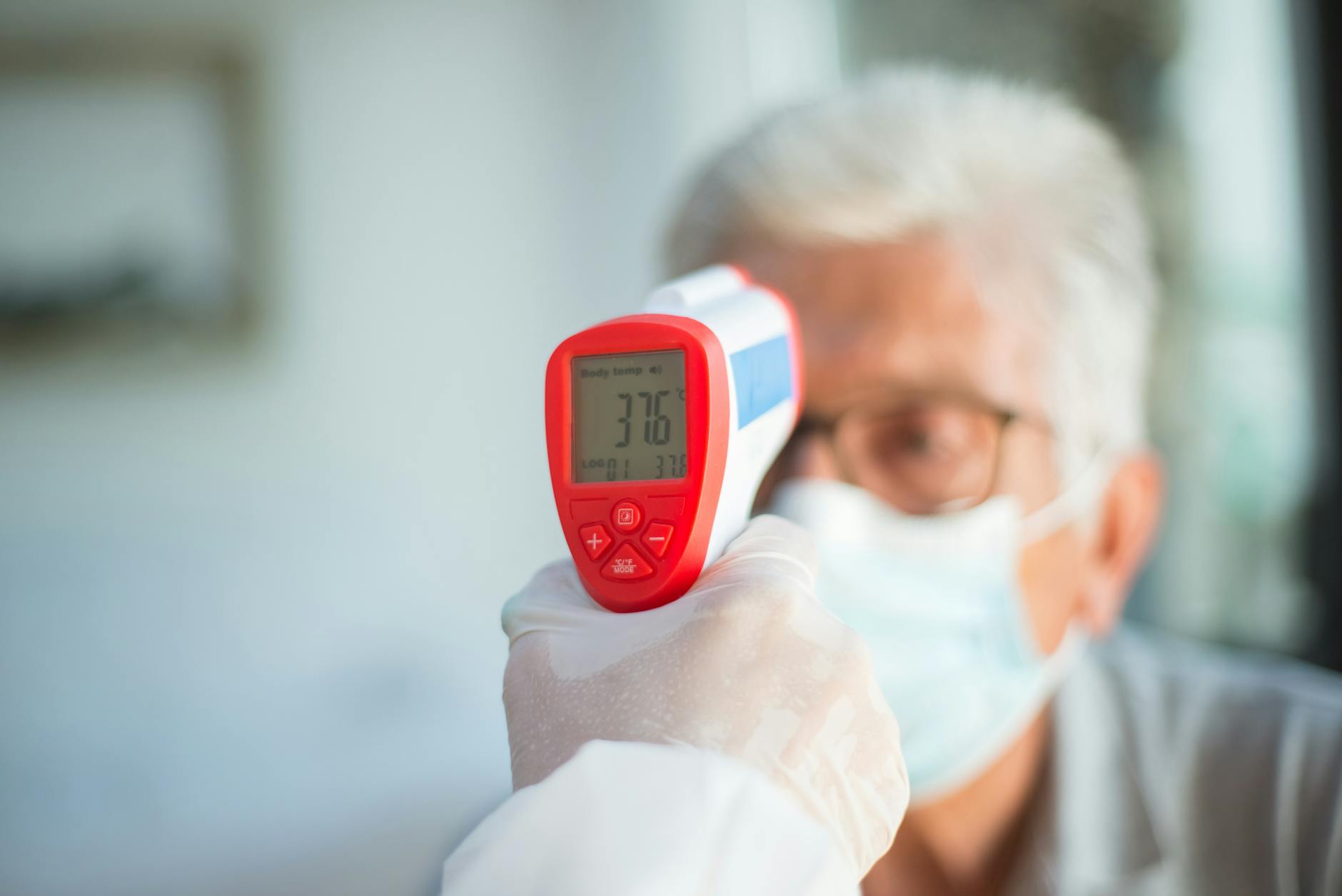
Malaria remains one of the most widespread infectious diseases on the planet, affecting an estimated 249 million people annually according to the World Health Organization. Knowing the early malaria symptoms can mean the difference between a straightforward recovery and a dangerous medical emergency. Here are 10 key signs to watch for, especially if you live in or have recently traveled to a malaria-endemic region.
1. Cyclical High Fever
Fever is often the very first and most recognizable sign of a malaria infection. According to NIH, fever is the dominant symptom of malaria and can spike as high as 104°F or more. What makes malarial fever distinctive is its cyclical pattern. Depending on the species of Plasmodium involved, fevers may recur every 48 or 72 hours in predictable waves. These episodes typically follow a pattern of chills, then a burning fever, then profuse sweating. The cycle can feel relentless and exhausting. If you develop a recurring fever after visiting a tropical area, seek medical evaluation without delay.
2. Intense Chills and Rigors
Before the fever spikes, many people experience a “cold stage” marked by uncontrollable shaking and teeth-chattering chills. These rigors can last anywhere from 15 minutes to over an hour. Research describes this as part of the classic malarial paroxysm, where cyclical paroxysms of chills, fever, and sweating follow one another in sequence. The shaking can be so severe that it mimics a seizure in some cases. Wrapping up in blankets rarely brings relief during this phase. If you experience intense chills alongside a fever, especially after possible mosquito exposure, consider malaria as a potential cause and contact your doctor promptly.
3. Profuse Sweating
The sweating stage marks the tail end of each malarial paroxysm. After enduring chills and a spiking fever, the body suddenly drenches itself in sweat. This phase signals the fever is temporarily breaking. Patients often describe soaking through their clothes and bedsheets. While it may feel like relief, the exhaustion that follows is significant. The entire cycle of chills, fever, and sweating can repeat every one to three days. Staying well-hydrated during and after these episodes is critical to preventing dangerous dehydration.
4. Persistent Headache
A throbbing, persistent headache is one of the most frequently reported malaria symptoms. Studies on P. vivax malaria found that headache affected roughly 66.4% of patients with uncomplicated infections. The pain tends to be dull but relentless and often worsens during fever spikes. It can easily be mistaken for a tension headache or migraine. Over-the-counter pain relievers may take the edge off, but the headache usually returns with each fever cycle. A headache that keeps coming back alongside fever warrants a blood test to rule out malaria, particularly in endemic areas.
5. Muscle and Joint Aches
Widespread body aches are another hallmark of malaria that often leads people to initially think they have the flu. Clinical evidence shows that myalgias, or muscle pains, are a common prodromal symptom appearing before the classic fever pattern establishes itself. The aching can affect the back, legs, and arms simultaneously. Joints may feel stiff and sore, making even simple movements uncomfortable. These pains result from the body’s intense inflammatory response to the Plasmodium parasite multiplying inside red blood cells. Rest and gentle stretching may help manage discomfort, but treating the underlying infection is the only way to find lasting relief.
6. Nausea and Vomiting
Gastrointestinal distress is surprisingly common in malaria and often catches people off guard. Nausea can range from mild queasiness to severe, persistent vomiting that interferes with the ability to eat, drink, or keep medications down. Research on P. vivax infections found vomiting in nearly 46.6% of cases, and persistent vomiting can signal a progression toward severe malaria. Dehydration becomes a real risk when vomiting is frequent. Sipping small amounts of oral rehydration solution may help maintain fluid balance. If you cannot keep fluids down for more than a few hours, seek emergency care immediately.
7. Fatigue and Extreme Weakness
Malaria drains the body’s energy in a way that goes far beyond ordinary tiredness. The parasite destroys red blood cells as it reproduces, gradually reducing the blood’s ability to carry oxygen. This leads to profound fatigue that may leave patients unable to get out of bed. Even between fever episodes, the exhaustion lingers. Children and pregnant women are especially vulnerable to this debilitating weakness. Prostration, or the inability to sit upright or walk, is considered a warning sign of severe disease. Resting and maintaining nutrition are important, but unrelenting fatigue should prompt an urgent medical visit.
8. Abdominal Pain and Diarrhea
Stomach cramps and diarrhea are malaria symptoms that frequently mimic a stomach bug or food poisoning. The pain often centers around the upper abdomen, sometimes due to an enlarged spleen, a common complication of malaria. According to research on malaria in children, abdominal pain and diarrhea are notable presenting symptoms, especially in younger patients. Loose stools can worsen dehydration when combined with vomiting and fever. This overlap with common gastrointestinal illnesses is one reason malaria is sometimes diagnosed late. Mentioning recent travel history to your healthcare provider can help ensure the right tests are ordered quickly.
9. Jaundice and Pale Skin
A yellowish tint to the skin and eyes is a worrying sign that malaria may be affecting the liver or causing significant red blood cell destruction. Jaundice develops when bilirubin, a byproduct of broken-down red blood cells, builds up in the bloodstream faster than the liver can process it. Pallor, or unusual paleness, often accompanies jaundice and points to worsening anemia. Together, these signs suggest the infection is placing serious strain on the body. In children, pallor of the palms and inner eyelids is sometimes the most visible early clue. Any yellowing of the skin or eyes during a febrile illness deserves immediate medical attention.
10. Confusion, Seizures, and Dark Urine
These are red-flag symptoms that suggest malaria has progressed to a severe or potentially life-threatening stage. Confusion and seizures may indicate cerebral malaria, a complication where infected red blood cells block blood flow to the brain. Dark or cola-colored urine can signal massive red blood cell breakdown, a condition sometimes called blackwater fever. According to NIH resources, these severe presentations also include respiratory distress and dangerously low blood sugar. Time is critical when these symptoms appear. If you or someone nearby shows signs of altered consciousness, seizures, or unusually dark urine alongside fever, call emergency services immediately.
Recognizing malaria symptoms early gives you the best chance at a full and uncomplicated recovery. Many of these signs overlap with common illnesses like the flu, so always mention recent travel to tropical regions when speaking with your healthcare provider. If you suspect malaria, request a blood smear or rapid diagnostic test as soon as possible — early diagnosis and treatment save lives.
Medical Disclaimer: This article is for informational purposes only and does not constitute medical advice. Always consult a qualified healthcare professional before making health decisions.




