Most adults need around 2,600 to 3,400 milligrams of potassium daily, yet research suggests the vast majority of Americans consistently fall short of that target. This mineral is essential for regulating blood pressure, supporting nerve function, and keeping your heart rhythm steady. The good news is that many potassium rich foods are affordable, widely available, and easy to work into everyday meals.
1. White Potatoes
The humble potato often gets overlooked in conversations about nutrient-dense foods. Yet one medium baked potato with the skin delivers roughly 900 milligrams of potassium. That is more than a quarter of your daily needs in a single side dish. Research published in PubMed identifies potatoes as the single highest source of dietary potassium in the American diet. They are also rich in vitamin C and fiber when you eat the skin. For a healthier preparation, try baking or roasting them instead of frying. Topping a baked potato with Greek yogurt and chives gives you an extra potassium boost without excess saturated fat.
2. Sweet Potatoes
Sweet potatoes bring a slightly different nutritional profile to the table. One medium sweet potato contains around 540 milligrams of potassium along with generous amounts of beta-carotene. Beta-carotene converts to vitamin A in your body and supports vision and immune health. Their natural sweetness makes them appealing even to picky eaters. You can bake, mash, or cube them into soups and grain bowls. Keeping the skin on adds extra fiber. Try swapping regular fries for baked sweet potato wedges seasoned with a little smoked paprika.
3. Bananas
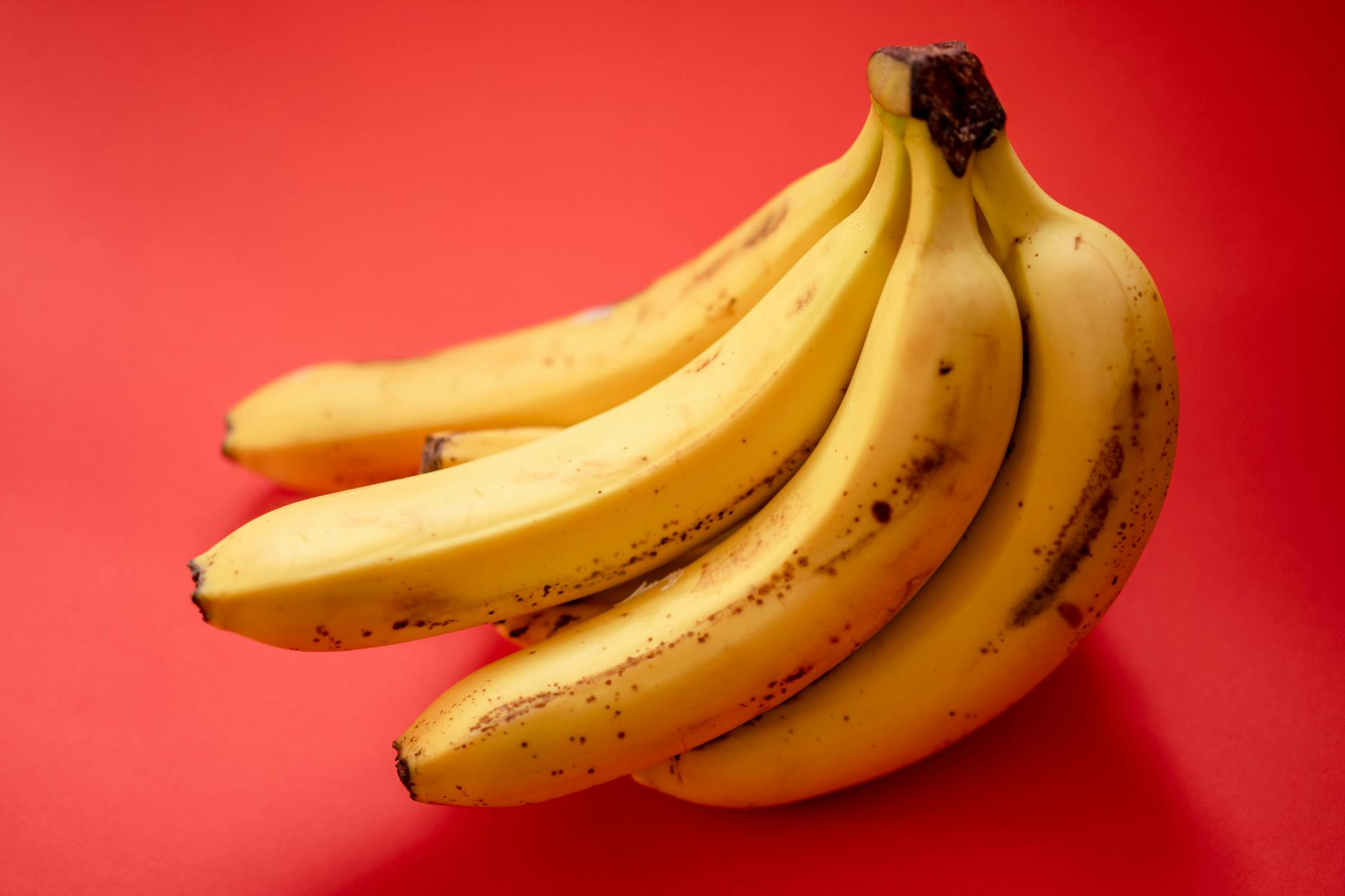
Bananas are probably the most famous potassium rich food. A medium banana provides about 420 milligrams of the mineral. While that is a solid amount, they actually contain less potassium per serving than several other foods on this list. Still, they are incredibly convenient and portable. Their natural sugars make them a great pre-workout snack for quick energy. Slice one into your morning oatmeal or blend it into a smoothie. Frozen bananas also work as a creamy, dairy-free base for homemade soft-serve treats.
4. Spinach
Dark leafy greens are nutritional powerhouses, and spinach leads the pack for potassium. One cup of cooked spinach delivers roughly 840 milligrams. Cooking actually concentrates the mineral because the leaves wilt down significantly. Spinach also supplies iron, magnesium, and vitamins A and K. According to the NIH, higher potassium intake from foods may help reduce the adverse effects of high sodium on blood pressure. Toss fresh spinach into scrambled eggs, pasta dishes, or soups for an easy nutrient upgrade.
5. Avocados
Avocados have earned their spot as a modern nutrition staple for good reason. Half of a medium avocado contains about 485 milligrams of potassium. That rivals a whole banana in a smaller serving. They are also loaded with heart-healthy monounsaturated fats and fiber. These fats may help your body absorb fat-soluble vitamins from other foods in the same meal. Spread avocado on whole-grain toast, dice it into salads, or blend it into smoothies. Because avocados are calorie-dense, sticking to half at a time keeps portions balanced.
6. Kidney Beans
Legumes are among the most underrated potassium rich foods available. One cup of cooked kidney beans provides around 600 milligrams of potassium. They also deliver plant-based protein and a hefty dose of dietary fiber. This combination helps you feel full longer and supports healthy digestion. If you use canned kidney beans, rinsing them reduces sodium by about 40 percent. Add them to chili, grain bowls, or hearty salads. Research from PubMed highlights legumes among the common food sources contributing to potassium intake across the U.S. population.
7. Salmon
Salmon is well known for its omega-3 fatty acids, but it also packs a surprising potassium punch. A three-ounce serving of cooked salmon provides roughly 400 milligrams of the mineral. Omega-3s and potassium together may offer complementary support for cardiovascular health. Studies suggest that omega-3 fatty acids help manage inflammation while potassium supports healthy blood pressure. Wild-caught and farmed varieties both offer solid amounts of the mineral. Aim for at least two servings of fatty fish per week. Baking salmon with lemon and herbs keeps preparation simple and the flavor bright.
8. Yogurt
Dairy products are a frequently overlooked source of this essential mineral. One cup of plain low-fat yogurt offers about 570 milligrams of potassium. Data from the NIH confirms that milk and dairy are leading contributors of potassium in American diets across all age groups. Yogurt also provides calcium, protein, and probiotics that support gut health. Choose plain varieties to avoid added sugars, then sweeten naturally with fresh berries. Greek yogurt is slightly lower in potassium but higher in protein, so both types have their merits.
9. Dried Apricots
Dried fruits concentrate nutrients into small, shelf-stable packages. A quarter cup of dried apricots contains roughly 380 milligrams of potassium. That makes them an excellent grab-and-go snack for busy days. They also supply iron and vitamin A in meaningful amounts. Because drying removes water, the natural sugars become more concentrated too. That means portion control matters. Pairing a small handful of dried apricots with a few almonds balances the sweetness with protein and healthy fat for a more satisfying snack.
10. Coconut Water
For those who struggle to eat enough potassium rich foods, sipping on coconut water can help. One cup provides around 400 to 500 milligrams of potassium depending on the brand. It is naturally low in calories and contains electrolytes that support hydration after exercise. Coconut water works as a lighter alternative to sugary sports drinks. However, some brands add sweeteners, so reading labels is important. Look for varieties with no added sugar and minimal ingredients. Try using coconut water as the liquid base in your morning smoothie for an easy mineral boost.
Getting enough potassium does not require exotic superfoods or expensive supplements. Many everyday staples like potatoes, spinach, beans, and yogurt already deliver impressive amounts of this essential mineral. Start by adding one or two of these foods to your daily meals and build from there to support your heart, muscles, and overall well-being.
Medical Disclaimer: This article is for informational purposes only and does not constitute medical advice. Always consult a qualified healthcare professional before making health decisions.




