Diverticulitis affects roughly 200,000 Americans each year, making it one of the most common gastrointestinal conditions in Western countries. What you eat plays a significant role in both triggering flare-ups and protecting your gut over time. A well-planned diverticulitis diet can help you manage symptoms and potentially lower the risk of future episodes.
1. Gradually Increase Your Fiber Intake
Fiber is the cornerstone of a diverticulitis diet during remission. It adds bulk to stool and helps it move through the colon more smoothly. This reduces the pressure inside the digestive tract that can irritate diverticula. Research suggests that higher dietary fiber intake from whole fruits and cereals is associated with a reduced risk of diverticulitis. Aim for 25 to 35 grams of fiber per day, but increase your intake slowly over a few weeks. Adding too much fiber too fast can cause bloating and gas, which may worsen discomfort. Pair your fiber boost with plenty of water to keep things moving comfortably through your system.
2. Load Up on Whole Fruits
Whole fruits are a delicious and effective way to support gut health. Apples, pears, and prunes stand out as particularly beneficial choices. Studies indicate that higher intake of whole fruits like these is linked to lower diverticulitis risk, especially in women. The fiber in whole fruit comes packaged with water, vitamins, and antioxidants that processed snacks simply cannot match. Eating the skin when possible gives you an extra fiber boost. Try adding sliced pears to your morning oatmeal or keeping apples on hand for a quick afternoon snack. Small, consistent habits make the biggest difference over time.
3. Choose Whole Grains Over Refined Options
Swapping white bread, white rice, and regular pasta for whole-grain versions is one of the simplest upgrades you can make. Whole grains like oats, brown rice, quinoa, and whole-wheat bread retain their bran and germ layers. Those layers are where most of the fiber and nutrients live. Refined grains have been stripped of this beneficial content during processing. Clinical evidence shows that a dietary pattern rich in whole grains is associated with fewer diverticulitis episodes. Start by replacing one refined grain at each meal and build from there. Most people find the transition easier than they expected once they discover options they enjoy.
4. Eat Plenty of Vegetables
Vegetables provide fiber, vitamins, minerals, and anti-inflammatory compounds that support overall digestive wellness. Broccoli, carrots, sweet potatoes, and leafy greens are all solid choices for a diverticulitis diet. While some people worry about seeds in tomatoes or cucumbers, current research does not support avoiding these foods. Cooking vegetables lightly can make them easier to digest if you are recovering from a flare-up. During remission, aim for at least three servings per day in a mix of raw and cooked forms. Roasting vegetables with a little olive oil can make them more appealing if you are not a natural vegetable lover.
5. Do Not Fear Nuts and Seeds
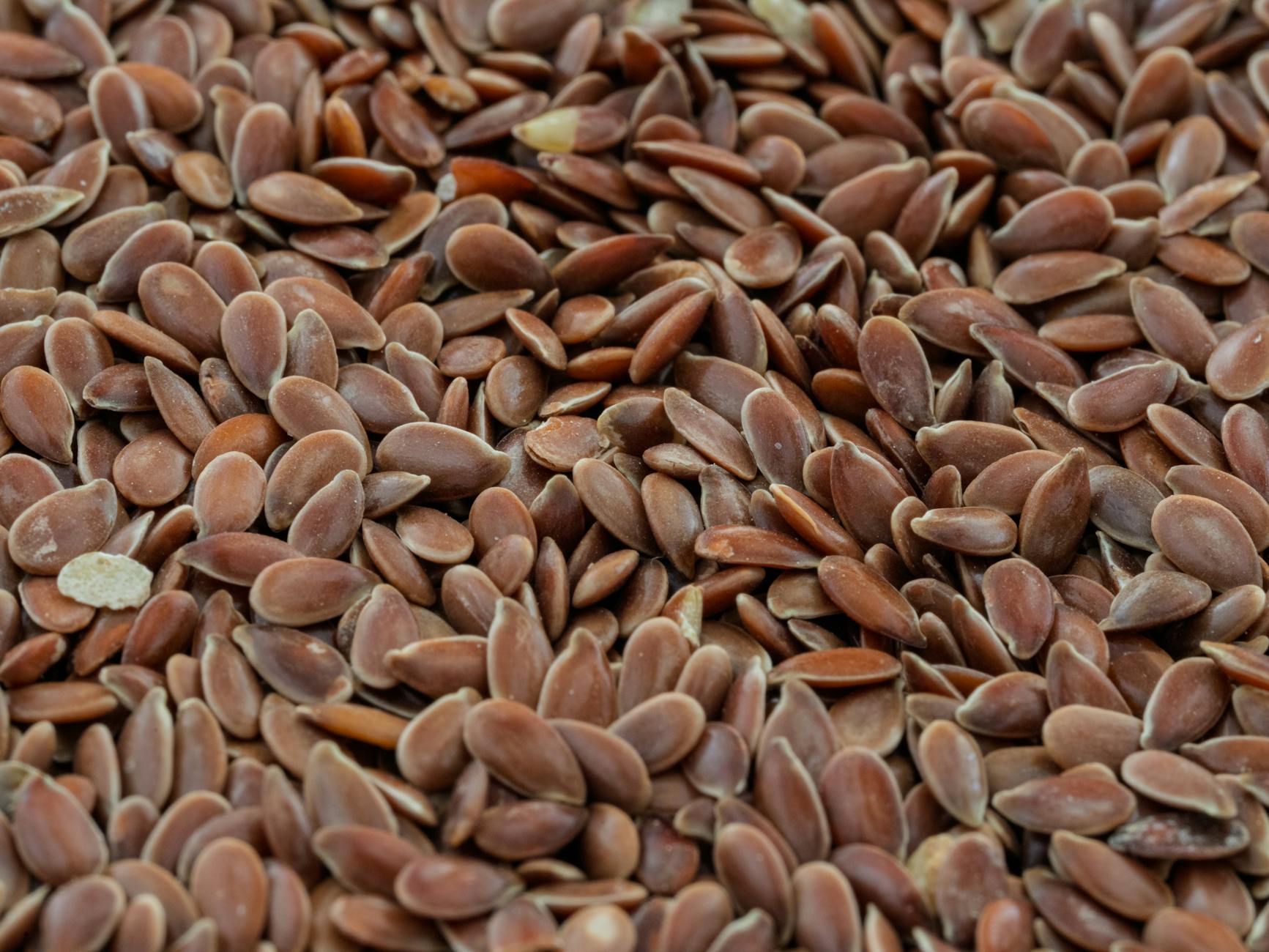
For decades, doctors told diverticulitis patients to avoid nuts, seeds, and popcorn. That advice has changed dramatically. Modern research indicates that consumption of nuts, seeds, and corn is not associated with increased diverticulitis risk. In fact, nuts and seeds provide healthy fats, protein, and fiber that may support gut health. Almonds, walnuts, chia seeds, and flaxseeds are excellent options. If you have been avoiding these foods out of caution, consider reintroducing them gradually. Talk to your doctor if you have concerns, but most people tolerate them well during remission.
6. Limit Red and Processed Meat
A diet heavy in red and processed meats has been consistently linked to higher diverticulitis risk. Research shows that a Western dietary pattern high in red meat and low in fiber increases the likelihood of diverticulitis in men. Processed meats like bacon, sausage, and deli meats may be especially problematic due to their additives and high sodium content. You do not need to eliminate meat entirely. Instead, try replacing a few meat-based meals each week with fish, poultry, beans, or lentils. This single shift can meaningfully change the overall quality of your diet without feeling overly restrictive.
7. Stay Well Hydrated
Water is fiber’s essential partner. Without adequate hydration, a high-fiber diet can actually make constipation worse. When fiber absorbs water in the colon, it forms a soft, bulky stool that passes more easily. Most adults should aim for at least eight glasses of water per day, though needs vary based on activity level and climate. Herbal teas and broth-based soups also count toward your daily fluid intake. Sugary drinks and excessive caffeine, on the other hand, may contribute to dehydration. Carrying a refillable water bottle is a practical way to stay on track throughout the day.
8. Follow a Low-Residue Diet During Flare-Ups
When a diverticulitis flare-up strikes, the dietary rules shift significantly. Your doctor may recommend a temporary low-residue or clear liquid diet to let the colon rest and heal. This typically includes broth, plain gelatin, ice pops, clear juices, and water. As symptoms improve, you can gradually reintroduce low-fiber foods like white rice, eggs, and well-cooked vegetables. The goal is to minimize the workload on your digestive system during the acute phase. Once the flare resolves, you should transition back to a high-fiber eating pattern. Always follow your healthcare provider’s specific guidance during active episodes.
9. Incorporate Probiotic-Rich Foods
Your gut microbiome plays an important role in digestive health and inflammation. Probiotic-rich foods introduce beneficial bacteria that may help maintain a balanced gut environment. Yogurt, kefir, sauerkraut, kimchi, and miso are all natural sources of probiotics. Some preliminary research suggests that a healthier microbiome could support recovery and reduce inflammation in the colon. These foods also tend to be easy to digest and gentle on the stomach. Try incorporating one probiotic food into your daily routine. If dairy bothers you, fermented vegetables or a non-dairy kefir can offer similar benefits.
10. Adopt a Prudent, Plant-Forward Eating Pattern
Rather than focusing on single foods, the overall pattern of your diet matters most. A prudent eating pattern emphasizes fruits, vegetables, whole grains, legumes, lean proteins, and healthy fats. Studies consistently show this approach is associated with lower diverticulitis risk compared to a typical Western diet. Think of it as a Mediterranean-style framework that prioritizes plant foods without being overly rigid. Meal planning can make this shift more practical and sustainable during busy weeks. Start by building meals around vegetables and grains, then add protein as a complement rather than the centerpiece. This balanced approach supports your gut and your overall well-being simultaneously.
A thoughtful diverticulitis diet centered on fiber, whole foods, and hydration can make a real difference in how you feel day to day. Start with one or two changes from this list and build gradually — your gut will thank you for the patience and consistency.
Medical Disclaimer: This article is for informational purposes only and does not constitute medical advice. Always consult a qualified healthcare professional before making health decisions.




