Most adults need around 2,600 to 3,400 milligrams of potassium daily, yet research suggests the majority of Americans fall short. This mineral plays a critical role in regulating blood pressure, supporting muscle contractions, and maintaining fluid balance throughout the body. The good news is that many common, affordable potassium foods can help you close the gap without supplements.
1. White Potatoes
When people think of potassium foods, bananas usually come to mind first. Yet a single medium baked potato with the skin delivers roughly 900 milligrams of potassium — nearly double what a banana provides. Research confirms that potatoes are the highest source of dietary potassium, while also contributing significant amounts of fiber and vitamin C. They are incredibly versatile too. Bake them, roast them, or add them to soups and stews. Keeping the skin on maximizes both potassium and fiber content. For a heart-healthy option, skip the deep fryer and season them with herbs, olive oil, and a pinch of salt instead.
2. Spinach
This leafy green is a nutritional powerhouse that packs around 840 milligrams of potassium per cooked cup. Studies show that potassium bioaccessibility after digestion is highest in spinach, reaching up to 93 percent. That means your body can actually absorb and use most of the potassium spinach provides. Cooking spinach wilts it down considerably, making it easy to eat larger amounts. Toss it into omelets, pasta dishes, or smoothies for a quick potassium boost. Fresh or frozen varieties work equally well, so choose whichever fits your budget and schedule.
3. Sweet Potatoes
Sweet potatoes offer a slightly different nutritional profile compared to their white counterparts, but they still deliver impressive potassium levels. One medium sweet potato contains about 540 milligrams of the mineral, along with a hefty dose of beta-carotene and fiber. Their natural sweetness makes them appealing to kids and adults alike. Try baking them whole, mashing them as a side dish, or slicing them into oven-baked fries. Sweet potatoes also pair well with warming spices like cinnamon and cumin. Adding a small amount of healthy fat helps your body absorb their fat-soluble vitamins more effectively.
4. Bananas
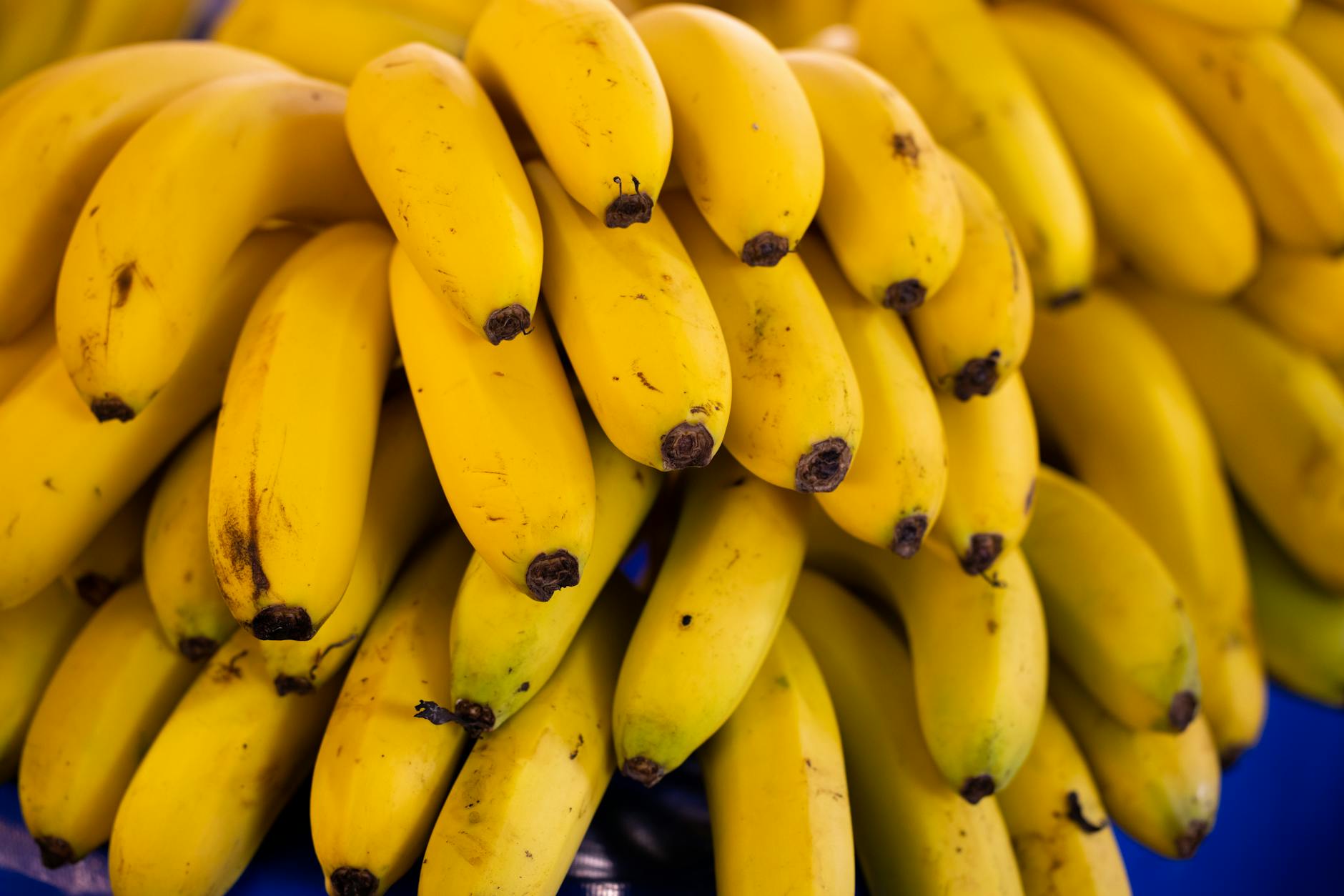
No potassium foods list would be complete without the classic banana. One medium banana provides about 422 milligrams of potassium, making it a solid — though not extraordinary — source. What makes bananas special is their convenience. They come in their own portable packaging and require zero preparation. They also supply quick-digesting natural sugars, which is why athletes often reach for them during workouts. Slice one onto oatmeal, blend it into a post-workout smoothie, or simply peel and eat. Slightly green bananas also contain resistant starch, which research suggests may support gut health.
5. White Beans
Legumes are among the most underrated potassium foods available. One cup of cooked white beans delivers an impressive 1,000 milligrams of potassium along with substantial protein and fiber. They are budget-friendly, shelf-stable, and endlessly adaptable in the kitchen. Canned varieties are perfectly fine — just rinse them to reduce excess sodium. Toss white beans into salads, blend them into creamy dips, or stir them into soups for a satisfying meal. Their combination of potassium, magnesium, and fiber makes them especially supportive of cardiovascular health. Starting with smaller portions can help your digestive system adjust comfortably.
6. Milk and Yogurt
Dairy products are often overlooked as potassium sources, but they contribute meaningfully to daily intake. According to NIH data analyses, milk is one of the leading dietary sources of potassium across all age groups. One cup of low-fat milk provides roughly 366 milligrams, while a cup of plain yogurt can offer even more. These foods also deliver calcium and vitamin D, creating a well-rounded mineral package. Choose plain varieties when possible to avoid added sugars. A glass of milk with a meal or yogurt topped with fruit makes an easy, potassium-rich snack.
7. Avocados
Avocados have earned their superfood reputation for good reason. Half of a medium avocado contains about 487 milligrams of potassium, more than an entire banana. They also provide heart-healthy monounsaturated fats, fiber, and folate. Their creamy texture makes them naturally satisfying in both savory and sweet dishes. Spread avocado on whole-grain toast, add slices to salads, or blend it into a rich chocolate mousse. Because avocados are calorie-dense, a half-portion is usually enough to reap the benefits. Choosing avocados that yield slightly to gentle pressure ensures perfect ripeness.
8. Salmon
Fish lovers will appreciate that salmon is a notable source of potassium among animal proteins. A six-ounce fillet of cooked Atlantic salmon provides roughly 800 milligrams of potassium. Beyond that, salmon delivers omega-3 fatty acids, which clinical evidence shows may help reduce inflammation and support cardiovascular health. Wild-caught and farmed varieties both contain meaningful potassium levels. Bake, grill, or pan-sear salmon with a squeeze of lemon for a simple weeknight dinner. Pairing it with a spinach side salad creates a double dose of potassium in a single meal that tastes genuinely delicious.
9. Tomatoes and Tomato Sauce
Tomatoes become potassium powerhouses when they are concentrated into sauces, pastes, or purees. One cup of tomato sauce delivers around 728 milligrams of potassium. Research indicates that potassium bioaccessibility in tomatoes is also notably high, meaning your body efficiently absorbs the mineral from tomato-based foods. Fresh tomatoes are helpful too, though their water content means lower potassium per serving. Use tomato sauce as a base for pasta, soups, or shakshuka. Look for low-sodium versions to keep your sodium-to-potassium ratio balanced. Sun-dried tomatoes are another concentrated option worth keeping in your pantry.
10. Dried Apricots
Dried fruits concentrate nutrients into small, portable packages, and dried apricots are a standout potassium food. Just a half-cup serving provides approximately 755 milligrams of potassium. They also deliver iron, fiber, and natural antioxidants in a sweet, chewy bite. Because the drying process removes water, the minerals become far more concentrated compared to fresh apricots. Enjoy them as an afternoon snack, chop them into trail mix, or stir them into grain bowls. Keep portions moderate since dried fruits are calorie-dense and higher in natural sugars. Choosing unsulfured varieties avoids unnecessary preservatives.
Eating a variety of potassium foods is one of the simplest ways to support your heart, muscles, and overall well-being. Many of the best sources — potatoes, beans, spinach, and dairy — are affordable staples you may already have at home. Try adding just one or two new options from this list to your weekly meals and build from there.
Medical Disclaimer: This article is for informational purposes only and does not constitute medical advice. Always consult a qualified healthcare professional before making health decisions.




