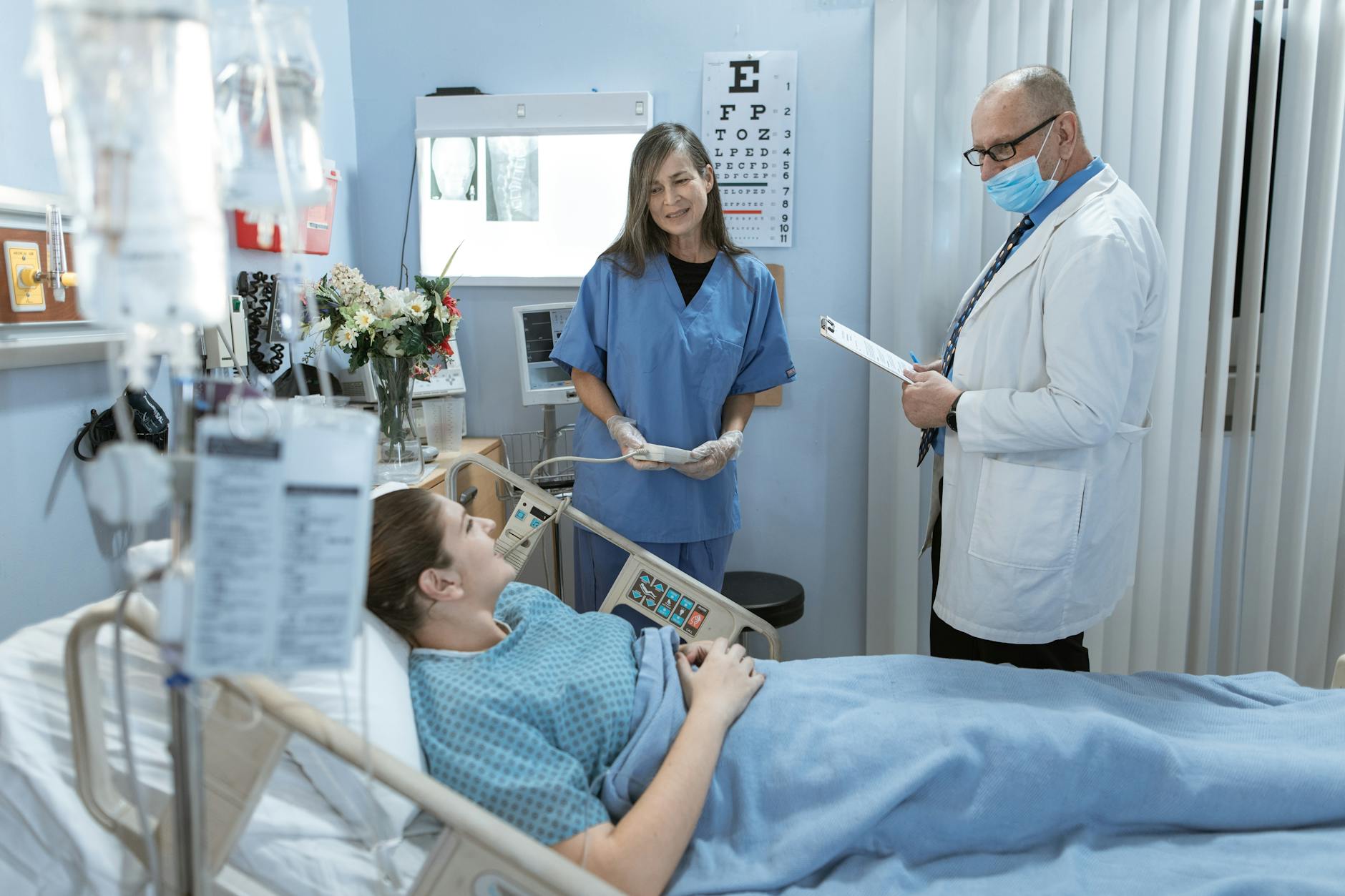
Salmonella infections strike an estimated 1.35 million Americans every year, most often through contaminated food or water. Understanding the right salmonella treatment approach can mean the difference between a rough few days and a dangerous medical emergency. Most people recover within a week, but knowing what works — and what doesn’t — is essential for a safe recovery.
1. Oral Rehydration Therapy
The single most important step in salmonella treatment is replacing lost fluids. Diarrhea and vomiting can quickly drain your body of water and essential minerals. According to the NIH, treatment primarily focuses on correcting dehydration and electrolyte disturbances through supportive care in most cases. Oral rehydration solutions, available at most pharmacies, deliver a precise balance of sodium, potassium, and glucose. Sipping small amounts frequently tends to work better than drinking large quantities at once. If you can’t keep fluids down for more than a few hours, contact your doctor right away. This simple therapy remains the cornerstone of recovery for mild to moderate infections.
2. Intravenous Fluid Replacement
When oral fluids aren’t enough, intravenous hydration may be necessary. Severe dehydration from salmonella can cause dangerously low blood pressure and kidney problems. Hospitals typically administer IV saline or lactated Ringer’s solution to restore fluid balance rapidly. Young children, older adults, and people with compromised immune systems face the highest risk of needing this level of care. Signs that IV fluids might be necessary include sunken eyes, extreme thirst, very dark urine, or dizziness upon standing. If someone in your household shows these symptoms, seek emergency care without delay.
3. Electrolyte Management
Replacing water alone isn’t sufficient during a salmonella infection. Your body also loses critical electrolytes like sodium, potassium, and chloride through diarrhea and vomiting. Low potassium can cause muscle weakness and heart rhythm irregularities. Low sodium can lead to confusion and fatigue. Sports drinks may help mildly, but oral rehydration solutions are more effective because they contain the right ratio of electrolytes. Broths and soups can also contribute to electrolyte recovery. Talk to your healthcare provider about whether an electrolyte supplement is appropriate, especially if symptoms persist beyond two or three days.
4. Antibiotic Therapy for Severe Cases
Antibiotics are not always the answer for salmonella, and that surprises many people. Research from the NIH indicates that antibiotics do not shorten uncomplicated gastroenteritis and may actually prolong fecal excretion of the bacteria. However, antibiotics become critical when the infection spreads beyond the gut. Doctors typically prescribe fluoroquinolones, azithromycin, or third-generation cephalosporins for bacteremia or septicemia. Your physician will determine whether antibiotics are warranted based on blood cultures and symptom severity. Never self-prescribe antibiotics for a suspected salmonella infection.
5. The BRAT Diet for Gut Recovery
Eating the right foods during recovery can ease digestive distress significantly. The BRAT diet — bananas, rice, applesauce, and toast — is gentle on an irritated gut lining. These foods are bland, low in fiber, and easy to digest. Bananas also offer a natural source of potassium, which helps replace what you’ve lost. Start with small portions and gradually increase as your appetite returns. Avoid dairy, fatty foods, spicy meals, and caffeine until your stools return to normal. This dietary approach won’t cure the infection, but it supports your body while the immune system does its work.
6. Anti-Diarrheal Medications
Over-the-counter anti-diarrheal drugs like loperamide can reduce the frequency of loose stools. However, their use in salmonella treatment is somewhat controversial among clinicians. Some experts caution that slowing gut motility might delay the body’s natural ability to flush out bacteria. These medications are generally considered safer once a fever has resolved and bloody stools are absent. They can provide temporary relief during travel or work situations where access to a restroom is limited. Always check with a healthcare professional before using anti-diarrheal medications during an active infection, particularly for children.
7. Probiotics for Microbiome Support
Growing evidence suggests that probiotics may play a helpful supporting role during and after salmonella infection. Specific strains like Lactobacillus and Saccharomyces boulardii have been studied for their ability to shorten diarrhea duration. Probiotics work by competing with harmful bacteria for space and resources in the gut. They may also help restore the natural balance of intestinal flora after the infection clears. While probiotics are not a standalone salmonella treatment, they can complement standard supportive care. Look for products with clearly labeled strains and colony-forming unit counts. Discuss options with your doctor, especially if you’re immunocompromised.
8. Fever and Pain Management
Salmonella infections frequently cause fever, abdominal cramps, and body aches. Over-the-counter medications like acetaminophen can help reduce fever and ease discomfort. Ibuprofen is another option, though it may irritate an already sensitive stomach in some people. Avoid aspirin in children and teenagers due to the risk of Reye’s syndrome. Cool compresses on the forehead and staying in a comfortable environment also help manage fever naturally. Pain management is about comfort, not curing the infection itself. If fever exceeds 102°F or lasts more than 48 hours, seek medical evaluation promptly.
9. Rest and Immune System Support
Your immune system is your primary weapon against salmonella, and rest gives it the best chance to fight. Sleep allows your body to direct energy toward producing infection-fighting white blood cells. Most healthy adults clear salmonella within four to seven days without specific medication. Pushing through illness by returning to work or exercise too soon can delay recovery. Adequate sleep, stress reduction, and proper nutrition all support immune function during this time. Vitamin C and zinc are commonly discussed for immune health, though evidence for their direct impact on salmonella is limited. Prioritize rest above all else during the acute phase of illness.
10. Addressing Antibiotic Resistance
Antibiotic-resistant salmonella strains are a growing public health concern worldwide. A recent study published in PubMed notes that while antibiotics remain the primary treatment for salmonellosis, rising resistance necessitates exploring alternative approaches. Multidrug-resistant strains can make severe infections much harder to treat effectively. This is one reason why antibiotics are reserved for serious cases rather than routine use. Researchers are actively investigating bacteriophage therapy, antimicrobial peptides, and vaccine development as future solutions. For now, the best strategy is prevention through safe food handling and cooking practices. Discuss culture and sensitivity testing with your doctor if antibiotics are prescribed.
Recovering from a salmonella infection is usually straightforward when you prioritize hydration, rest, and careful nutrition. Most cases resolve on their own, but knowing when to seek medical attention can prevent serious complications. If your symptoms are severe or you belong to a high-risk group, reach out to a healthcare provider early for a personalized salmonella treatment plan.
Medical Disclaimer: This article is for informational purposes only and does not constitute medical advice. Always consult a qualified healthcare professional before making health decisions.




