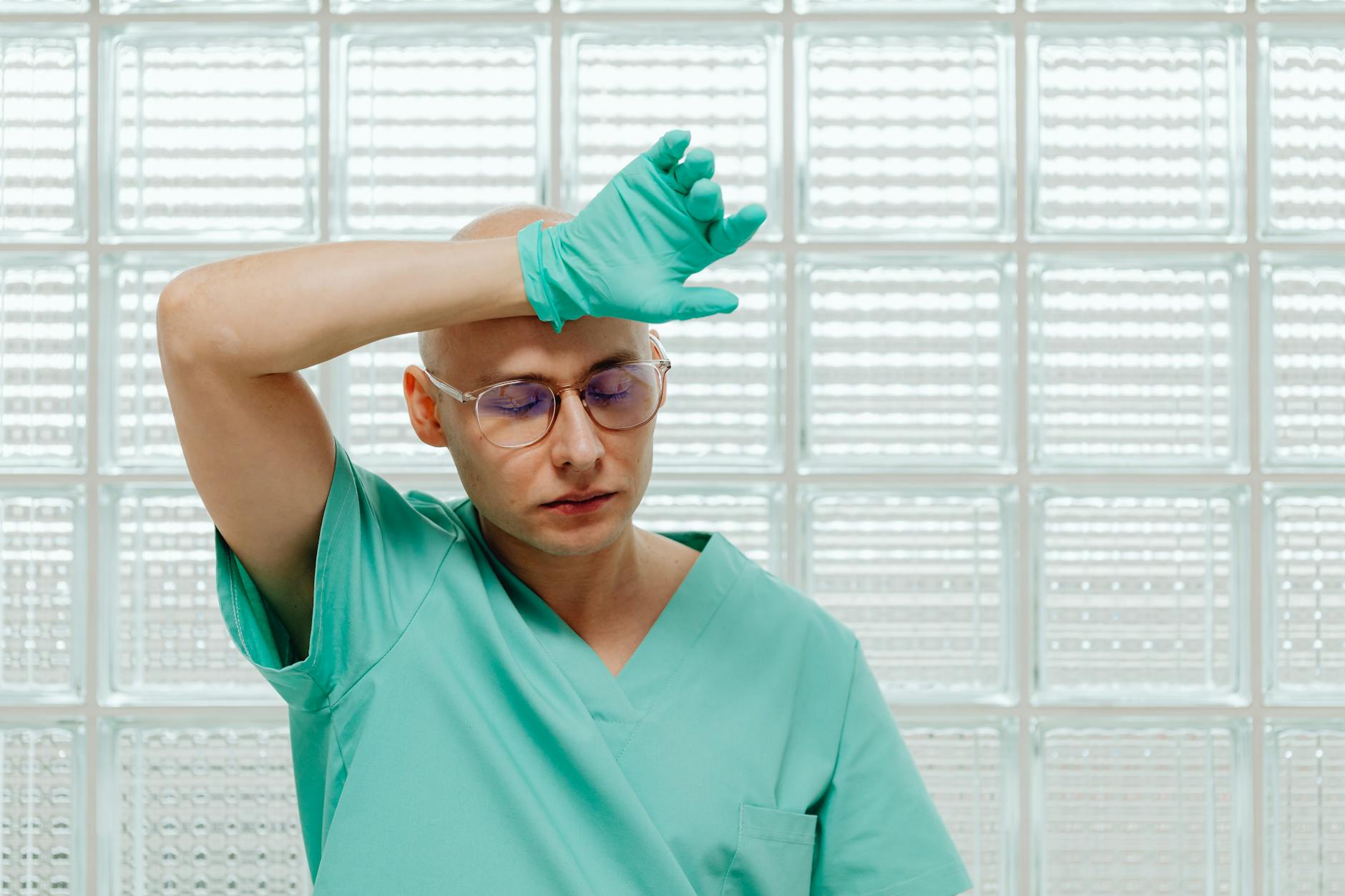
Iron deficiency is one of the most widespread nutritional deficiencies in the world, affecting an estimated 1.6 billion people globally. Many low iron symptoms develop gradually, which means they’re easy to dismiss as everyday stress or poor sleep. Recognizing these signs early can help you seek the right support before the deficiency progresses.
1. Persistent, Unexplainable Fatigue
Feeling exhausted despite a full night of sleep is one of the hallmark low iron symptoms. Iron plays a critical role in producing hemoglobin, the protein in red blood cells that carries oxygen throughout your body. When iron levels drop, your tissues and muscles receive less oxygen, leaving you drained. According to the Mayo Clinic, extreme tiredness and weakness are among the most frequently reported signs of iron deficiency anemia. If fatigue lingers for more than two weeks without a clear cause, consider asking your doctor about a simple blood test to check your iron levels.
2. Pale or Yellowish Skin
Healthy skin color depends partly on adequate blood flow rich in oxygen-carrying hemoglobin. When iron stores run low, hemoglobin production slows and skin can take on a noticeably pale or washed-out appearance. This pallor often shows up first inside the lower eyelids, on the gums, and in the nail beds. Research suggests this is one of the easier low iron symptoms for doctors to spot during a physical exam. If friends or family mention you look unusually pale, it may be worth investigating further.
3. Shortness of Breath
Getting winded during activities that once felt easy is a red flag many people overlook. Your body compensates for low oxygen delivery by increasing your breathing rate, even during light tasks like climbing stairs or walking short distances. This happens because your muscles simply aren’t receiving the oxygen they need to function efficiently. If you notice yourself gasping after mild exertion, don’t chalk it up to being out of shape. Mention it to your healthcare provider so they can rule out iron deficiency or other underlying conditions.
4. Frequent Headaches and Dizziness
When your brain doesn’t get enough oxygen, headaches and lightheadedness often follow. Studies indicate that people with low iron levels experience headaches more frequently than those with adequate stores. The dizziness can feel like the room is spinning or like you might faint, especially when standing up quickly. The Cleveland Clinic lists dizziness and headaches among the key symptoms of anemia resulting from low iron. Staying hydrated helps, but recurring episodes warrant a conversation with your doctor about potential deficiencies.
5. Heart Palpitations or Rapid Heartbeat
A fluttering sensation in your chest or a heartbeat that feels unusually fast can be alarming. With fewer healthy red blood cells circulating, your heart has to pump harder and faster to deliver oxygen throughout your body. Over time, this extra workload may lead to noticeable palpitations, particularly during physical activity. Clinical evidence shows that prolonged iron deficiency can even contribute to heart enlargement in severe cases. If your heart frequently races without obvious cause, it’s important to get checked sooner rather than later.
6. Cold Hands and Feet
Constantly reaching for gloves or thick socks—even in mild weather—could signal more than poor circulation. Iron deficiency reduces the amount of oxygen delivered to your extremities, making your hands and feet feel persistently cold. Your body also prioritizes sending blood to vital organs when resources are scarce, leaving fingers and toes chilly. This symptom tends to worsen gradually, so many people simply adapt without questioning it. If cold extremities are paired with other signs on this list, iron levels may be the missing piece of the puzzle.
7. Brittle Nails
Your nails can tell a surprising story about your overall health. Iron deficiency often causes nails to become thin, brittle, and prone to cracking or splitting. In more advanced cases, nails may develop a concave, spoon-like shape known as koilonychia. This change happens because iron supports healthy cell growth, including the cells that form your nail plates. While occasional nail breakage is normal, consistently fragile nails combined with fatigue or pallor are worth discussing with a healthcare professional.
8. Unusual Cravings for Non-Food Items
Craving ice, dirt, starch, or clay may sound bizarre, but it’s a recognized condition called pica. Research suggests a strong link between pica and iron deficiency, though scientists are still exploring why the connection exists. The Mayo Clinic notes that craving ice is particularly common among pregnant women with iron deficiency anemia. These cravings are your body’s way of signaling that something is off nutritionally. If you find yourself compulsively chewing ice or craving unusual substances, bring it up with your doctor right away.
9. Sore or Swollen Tongue
A tongue that appears pale, smooth, or unusually swollen may reflect depleted iron stores. This condition, sometimes called glossitis, occurs when low iron reduces the oxygen supply to tongue tissues. You might also notice a burning sensation or difficulty chewing and swallowing comfortably. Some people develop cracks at the corners of their mouth as well, making eating and speaking painful. Paying attention to oral changes can help catch iron deficiency before it becomes more serious.
10. Increased Susceptibility to Infections
Iron does more than support red blood cells—it also plays a role in maintaining a healthy immune system. When iron levels are chronically low, your body may struggle to produce enough white blood cells to fight off pathogens effectively. This can lead to catching colds, respiratory infections, or other illnesses more frequently than usual. Studies indicate that children with low iron are particularly vulnerable to recurrent infections. If you or your child seem to get sick often despite good hygiene habits, an iron screening could provide valuable answers.
Low iron symptoms often overlap with other conditions, which is why they’re so easily missed or dismissed. If you recognize several of these signs in yourself or a loved one, the most practical step you can take is scheduling a blood test with your doctor. Early detection makes iron deficiency one of the most manageable nutritional issues to address.
Medical Disclaimer: This article is for informational purposes only and does not constitute medical advice. Always consult a qualified healthcare professional before making health decisions.




