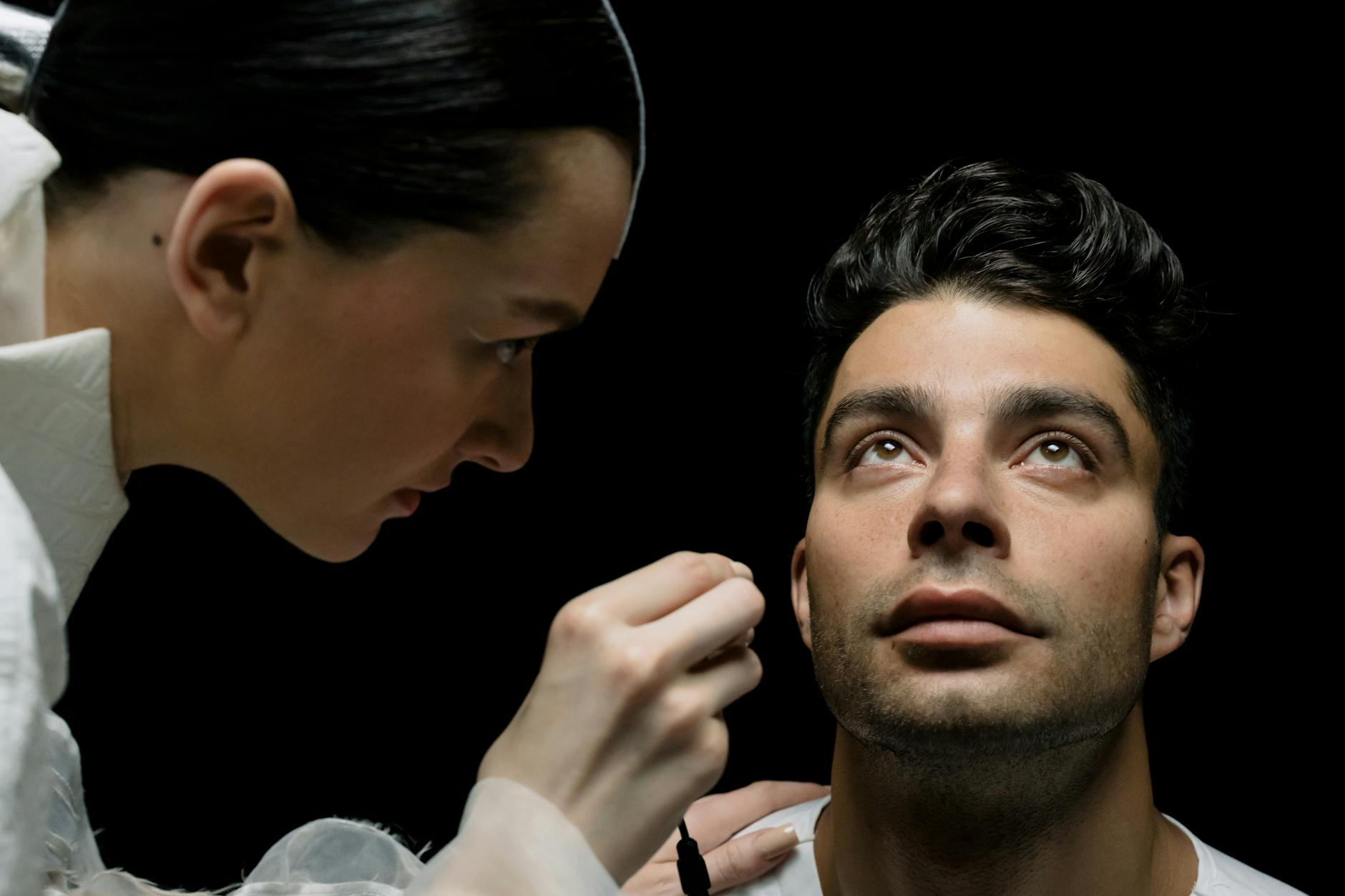
Uveitis — inflammation of the middle layer of the eye called the uvea — affects an estimated 200,000 new people in the United States each year. Left untreated, it can lead to serious complications including permanent vision loss, making early symptom recognition critically important. Understanding the warning signs may help you get timely care and protect your eyesight for the long haul.
1. Eye Redness
One of the earliest and most noticeable uveitis symptoms is a red, bloodshot appearance in the affected eye. This redness results from inflamed blood vessels in the uvea expanding and becoming more visible through the white of the eye. Unlike the mild redness from allergies or tiredness, uveitis-related redness tends to be deeper and more persistent. According to a PubMed clinical review, eye redness — also called conjunctival injection — is among the hallmark presentations across all uveitis types. If you notice redness that lasts more than a day or two without a clear cause, consider scheduling an eye exam promptly.
2. Eye Pain
Persistent, aching pain in or around the eye is a telltale sign of uveitis. This discomfort often feels like a deep, throbbing sensation rather than a sharp sting. The pain typically worsens when you try to focus on nearby objects. It may also intensify in bright light. Research suggests that anterior uveitis — the most common form — frequently presents with significant eye pain as one of its primary complaints. Over-the-counter pain relievers may offer temporary relief, but the underlying inflammation requires professional evaluation and targeted treatment.
3. Light Sensitivity (Photophobia)
Many people with uveitis find that normal light levels suddenly feel unbearable. This condition, known as photophobia, occurs because inflammation irritates the muscles that control your pupil. Bright indoor lighting, sunlight, or even a phone screen can trigger sharp discomfort. As detailed by the NIH, photophobia is a common manifestation across several uveitis-associated conditions. Wearing sunglasses may ease the discomfort temporarily, but persistent light sensitivity warrants an urgent visit to an eye care professional.
4. Blurred Vision
A sudden or gradual decline in visual clarity is one of the more concerning uveitis symptoms. Inflammation can cause swelling in eye tissues that are essential for sharp focus. You might notice that reading becomes difficult or distant objects appear hazy. Blurred vision from uveitis can affect one eye or both, depending on the type and severity of the condition. Clinical evidence shows that vision changes tend to worsen without appropriate anti-inflammatory treatment. Any unexplained blurriness that lasts more than a few hours deserves prompt medical attention.
5. Floaters
Floaters are small dark spots, squiggly lines, or cobweb-like shapes that drift across your field of vision. While occasional floaters are common and usually harmless, a sudden increase may signal uveitis. Inflammation can release inflammatory cells and debris into the vitreous — the gel-like substance filling the eye. According to the NIH, floaters are especially characteristic of intermediate and posterior uveitis, where inflammation affects the deeper structures of the eye. If you suddenly see a shower of new floaters, especially alongside other symptoms on this list, seek an eye examination as soon as possible.
6. Small Pupil Size
Inflammation from uveitis can cause the pupil to constrict and become noticeably smaller than the pupil in the unaffected eye. This happens because inflammatory chemicals cause the iris muscles to spasm. In some cases, the inflamed iris can actually stick to the lens behind it — a complication called posterior synechiae. This adhesion can make the pupil irregular in shape and slow to respond to light changes. An eye doctor can detect these changes during a slit-lamp examination. Noticing that one pupil appears smaller or oddly shaped is a signal worth investigating without delay.
7. Headaches
Recurring headaches that seem connected to eye discomfort may be a less obvious sign of uveitis. The pain often concentrates around the brow or temple area on the same side as the affected eye. These headaches result from the ongoing inflammatory process and the strain of trying to see clearly through an inflamed eye. They can easily be mistaken for tension headaches or migraines. If your headaches consistently coincide with eye redness, pain, or light sensitivity, the combination could point toward uveitis as an underlying cause worth exploring with your doctor.
8. Tearing and Watery Eyes
Excessive tearing is one of the uveitis symptoms that people frequently overlook or attribute to allergies. When the eye becomes inflamed, it produces extra tears as a protective reflex. Unlike allergy-related tearing, uveitis-driven watering tends to occur alongside pain and redness rather than itching. The tearing may be constant or come and go throughout the day. Studies indicate that this reflex tearing is the body’s attempt to soothe irritated tissues, but it cannot address the root inflammation. Persistent watery eyes combined with any other symptoms listed here should prompt a comprehensive eye evaluation.
9. Decreased Visual Acuity
Beyond general blurriness, uveitis can lead to a measurable decline in how well you can read an eye chart or perceive fine details. This decreased visual acuity may develop slowly in chronic cases or appear rapidly in acute flares. Posterior uveitis — which affects the back of the eye including the retina — is particularly associated with significant vision decline. Complications like macular edema, where fluid accumulates in the central retina, can further degrade visual sharpness. Early treatment with corticosteroids or other anti-inflammatory medications may help preserve vision. Regular monitoring by an ophthalmologist is essential for tracking any changes over time.
10. Vision Loss
In its most severe form, untreated uveitis can result in partial or complete vision loss. Research from a PubMed review describes how the spectrum of uveitis symptoms can range from mild pain to total loss of sight when complications like glaucoma, cataracts, or retinal damage develop. Vision loss may occur gradually as chronic inflammation damages delicate eye structures. It can also happen suddenly during an aggressive flare. This is precisely why recognizing earlier warning signs matters so much. Prompt diagnosis and consistent treatment offer the best chance of preserving your long-term eyesight.
Recognizing uveitis symptoms early can make a meaningful difference in protecting your vision and preventing serious complications. If you experience any combination of these warning signs — especially eye redness with pain, floaters, or light sensitivity — schedule an appointment with an ophthalmologist as soon as possible. Taking quick action gives you the best opportunity for effective treatment and lasting eye health.
Medical Disclaimer: This article is for informational purposes only and does not constitute medical advice. Always consult a qualified healthcare professional before making health decisions.




