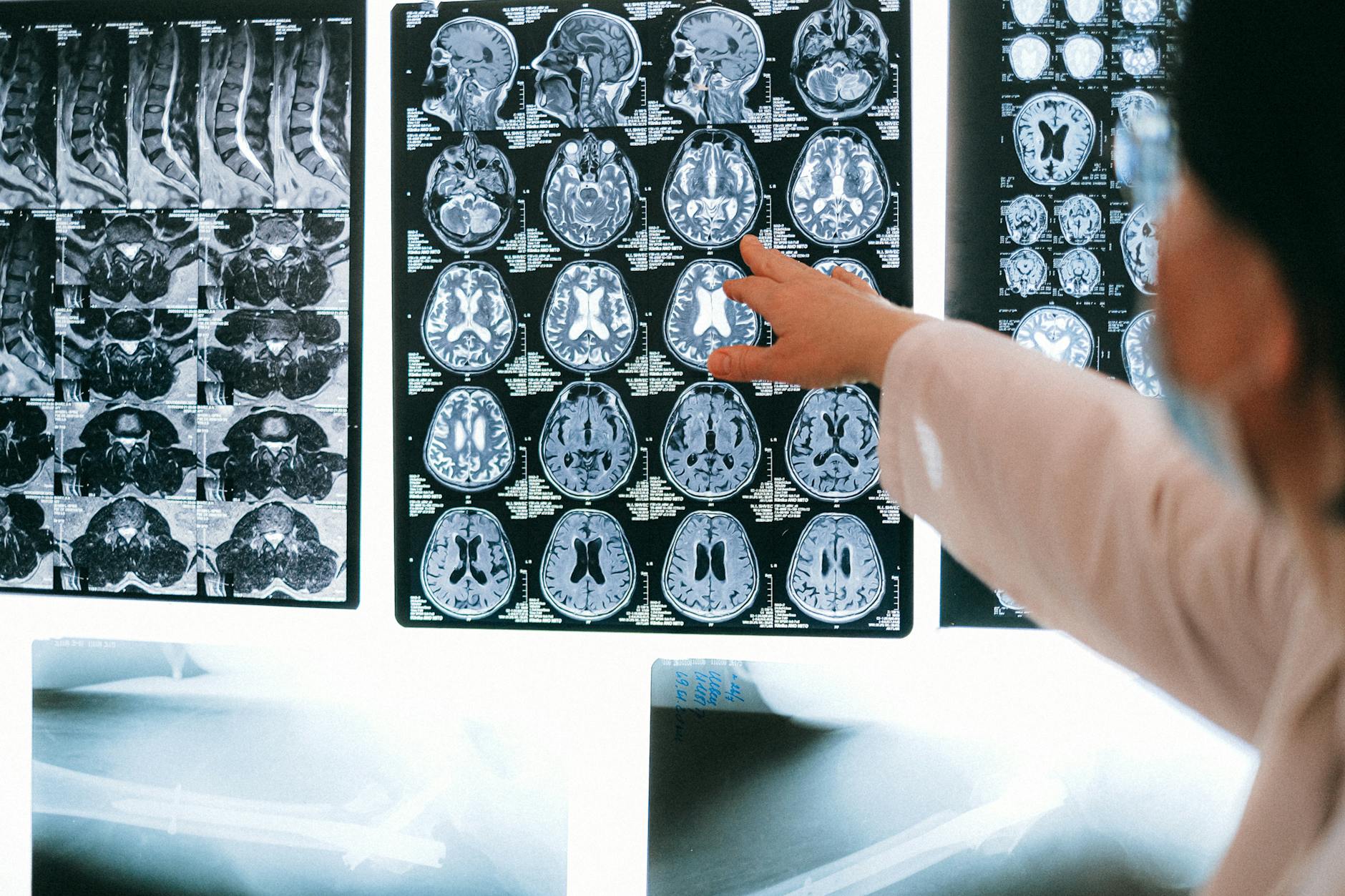
An aneurysm is a weakened, ballooning section of a blood vessel that can develop in the brain, aorta, or other arteries. Research suggests that roughly 6 million people in the United States have an unruptured brain aneurysm, and many never know it until something goes wrong. Understanding aneurysm symptoms is critical because early recognition can mean the difference between timely treatment and a life-threatening emergency.
1. Sudden, Severe “Thunderclap” Headache
This is widely considered the hallmark warning sign of a ruptured brain aneurysm. Patients often describe it as the worst headache of their life. It strikes without warning and reaches maximum intensity within seconds. According to NIH, ruptured cerebral aneurysms typically present with this sudden severe thunderclap headache, often accompanied by loss of consciousness or meningismus. Unlike a migraine that builds gradually, this pain is explosive and immediate. If you or someone near you experiences this type of headache, call emergency services right away — every minute matters.
2. Nausea and Vomiting
Intense nausea and vomiting frequently accompany a ruptured aneurysm in the brain. The sudden bleeding increases pressure inside the skull rapidly. This triggers the body’s nausea response almost immediately. While nausea alone is common and usually harmless, nausea paired with a severe headache or stiff neck should raise serious concern. Clinical evidence shows this combination often signals a subarachnoid hemorrhage. Seek medical attention promptly if these symptoms appear together without an obvious cause like food poisoning.
3. Stiff Neck and Sensitivity to Light
A stiff, painful neck — known medically as nuchal rigidity — is a classic sign that blood has leaked into the fluid surrounding the brain and spinal cord. This symptom often shows up alongside extreme sensitivity to light. The irritation caused by blood mixing with cerebrospinal fluid creates inflammation of the meninges. As noted by NIH, nuchal rigidity is a key clinical feature of ruptured cerebral aneurysms. If you notice sudden neck stiffness that feels different from typical muscle strain, especially with headache, don’t wait — get evaluated immediately.
4. Vision Changes or Loss
An aneurysm pressing on nearby nerves can disrupt your eyesight in alarming ways. You might experience blurred vision, double vision, or even sudden loss of vision in one eye. Research from PubMed indicates that even small unruptured cerebral aneurysms can cause visual acuity loss due to mass effect on surrounding structures. A dilated pupil on one side is another red flag that an aneurysm may be compressing the third cranial nerve. Any unexplained, sudden change in your vision warrants a prompt visit to your doctor or emergency room.
5. Pain Behind or Above One Eye
Localized pain behind or above one eye can signal an unruptured brain aneurysm, particularly one located near the cavernous sinus or posterior communicating artery. The pain may feel sharp, throbbing, or like intense pressure. It sometimes mimics a cluster headache, which can lead to misdiagnosis. What makes this symptom concerning is when it appears alongside a drooping eyelid or dilated pupil. These combined signs suggest the aneurysm is exerting pressure on nearby cranial nerves. If you notice persistent one-sided eye pain that doesn’t respond to typical pain relief, bring it to your healthcare provider’s attention.
6. Seizures
Seizures can occur when a brain aneurysm ruptures and blood irritates brain tissue. They may also happen with large unruptured aneurysms that press on sensitive areas. A seizure linked to an aneurysm may involve convulsions, loss of consciousness, or brief episodes of confusion. Clinical evidence shows seizures occur in a meaningful percentage of subarachnoid hemorrhage cases. For someone with no prior seizure history, a sudden seizure is always a medical emergency. Do not attempt to restrain the person — protect them from injury and call for help immediately.
7. Abdominal or Back Pain
Not all aneurysms occur in the brain. Abdominal aortic aneurysms develop in the body’s largest artery and are surprisingly common in older adults. According to NIH, most abdominal aortic aneurysms are asymptomatic until they enlarge, at which point they may cause abdominal, flank, or back pain. The pain may feel deep, constant, and gnawing. Some people describe a pulsating sensation near the navel. Men over 65 who have ever smoked are at particularly high risk and should discuss screening with their doctor.
8. Shortness of Breath and Chest Pain
A thoracic aortic aneurysm — one that develops in the chest portion of the aorta — can produce symptoms that mimic heart disease. Shortness of breath may occur as the enlarged vessel presses against the lungs or airway. Chest pain or a deep ache between the shoulder blades is another warning sign. These symptoms can develop gradually as the aneurysm grows, or they may appear suddenly if a rupture or dissection occurs. Because these signs overlap with heart attack symptoms, emergency evaluation is essential. Doctors can use imaging to distinguish between the two conditions quickly.
9. Sentinel Headache Days Before Rupture
A sentinel headache is a lesser-known but critically important warning sign. It refers to a sudden, unusual headache that occurs days or even weeks before a major aneurysm rupture. Studies indicate that up to half of patients who suffer a subarachnoid hemorrhage may have experienced a sentinel headache beforehand. This headache results from a small, warning leak of blood from the aneurysm. Unfortunately, many people dismiss it as a bad migraine or tension headache. Paying attention to any headache that feels distinctly different from your normal pattern could provide a crucial window for early intervention.
10. Loss of Consciousness or Confusion
When an aneurysm ruptures, the rapid increase in intracranial pressure can cause sudden loss of consciousness. Some individuals experience extreme confusion, difficulty speaking, or an inability to understand others. In severe cases, patients may slip into a coma. These neurological changes reflect significant brain injury from bleeding. Even brief episodes of unexplained confusion combined with headache should be taken seriously. Time is the most important factor in aneurysm outcomes — the faster someone receives medical care after these symptoms appear, the better their chances of survival and recovery.
Recognizing aneurysm symptoms early can genuinely save lives, whether the aneurysm is in the brain, chest, or abdomen. Many of these warning signs overlap with less serious conditions, which is exactly why they’re so often missed. If you experience any sudden, severe combination of these symptoms — especially a thunderclap headache, vision changes, or unexplained loss of consciousness — treat it as an emergency and seek immediate medical care.
Medical Disclaimer: This article is for informational purposes only and does not constitute medical advice. Always consult a qualified healthcare professional before making health decisions.




