Bacterial infections affect millions of people worldwide every year, ranging from mild skin issues to life-threatening bloodstream conditions. Recognizing bacterial infection symptoms early can help you seek timely treatment and avoid serious complications. Whether the infection is localized or spreading throughout the body, your symptoms often tell an important story about what is happening inside.
1. Persistent or High Fever
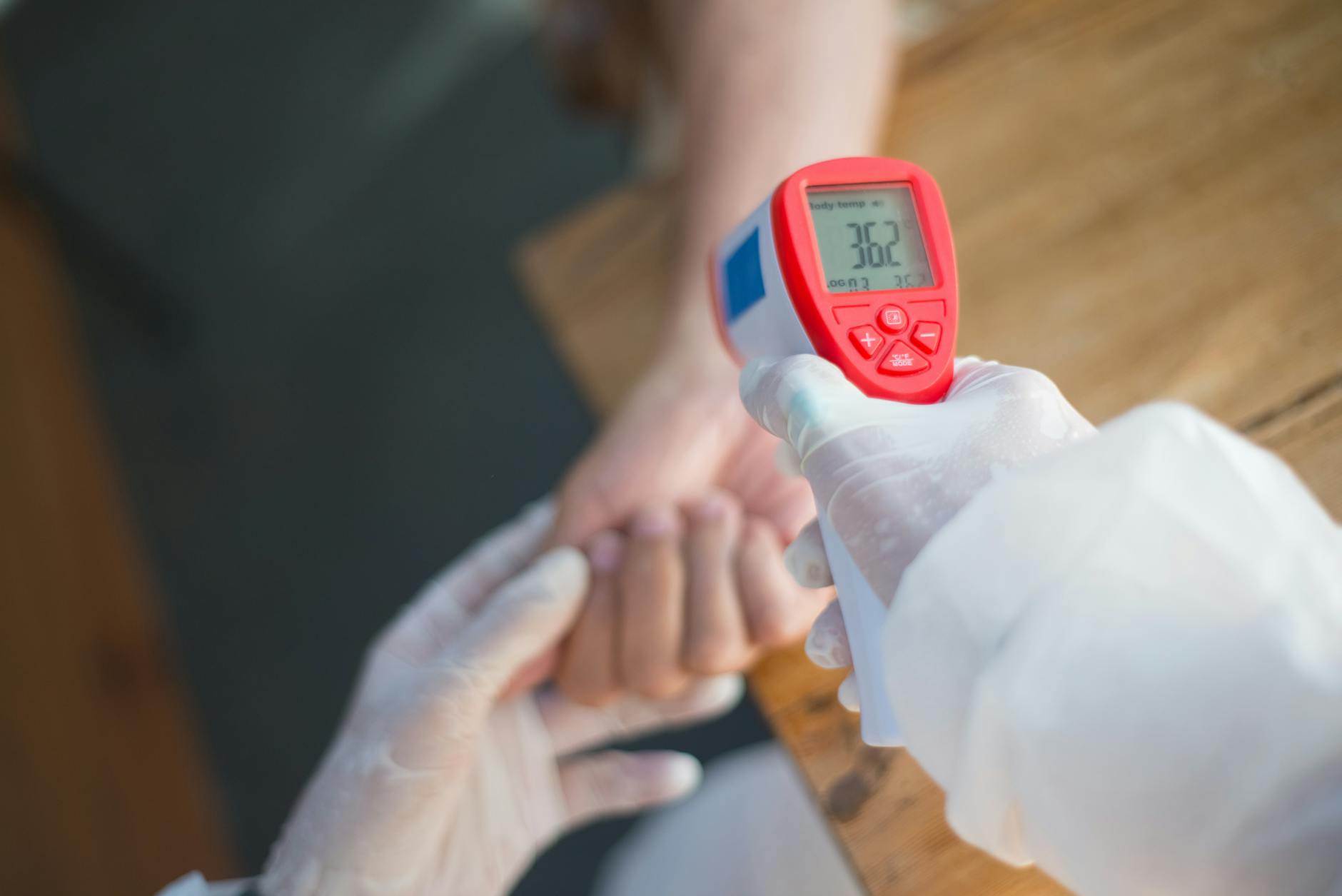
Fever is one of the body’s most reliable alarm systems. When bacteria invade, your immune system raises your core temperature to help fight the intruders. A fever above 101°F that lasts more than a day or two often points to a bacterial cause rather than a viral one. According to the NIH, the classical presentation of bacteremia includes fever, chills, and rigors, which can progress to more dangerous conditions like sepsis. Research also suggests that unexplained fever in adults may indicate an occult bacterial infection, especially when multiple clinical features are present. If your fever stays elevated or keeps returning, contact your healthcare provider promptly rather than waiting it out.
2. Chills and Rigors
Uncontrollable shaking and intense chills often accompany bacterial infections. These rigors happen because your body rapidly adjusts its internal thermostat in response to infection. You might feel freezing cold even while running a high temperature. Chills that come in waves can signal that bacteria have entered the bloodstream. This symptom is especially concerning when paired with sweating and rapid heart rate. If you experience repeated episodes of shaking chills, treat it as an urgent sign and seek medical evaluation as soon as possible.
3. Localized Redness, Swelling, and Warmth
When bacteria infect a specific area, your immune system sends extra blood and white blood cells to the site. This creates the telltale signs of localized inflammation: redness, swelling, warmth, and tenderness. Skin infections like cellulitis are a classic example of this response. The affected area may also feel firm or tight to the touch. Streaks of redness radiating outward from a wound suggest the infection may be spreading. If an area of redness grows rapidly or a wound looks increasingly angry, do not wait to have it examined by a doctor.
4. Pain That Worsens Over Time
Pain is your body’s way of demanding attention. With bacterial infections, pain typically intensifies rather than fading on its own. A sore throat that becomes excruciating over two or three days might indicate strep. An earache that steadily worsens could point to a bacterial ear infection. Unlike the dull aches of a common cold, bacterial infection pain often feels sharp and concentrated. Pay close attention to pain that disrupts your sleep or daily activities, and speak with a healthcare professional if over-the-counter pain relief stops working.
5. Fatigue and General Malaise
Feeling utterly drained is one of the most underappreciated bacterial infection symptoms. Your body diverts enormous energy toward mounting an immune response, leaving you feeling wiped out. This goes beyond normal tiredness. You may struggle to get out of bed or find that even simple tasks feel exhausting. Clinical evidence shows that this systemic fatigue often reflects the body’s widespread inflammatory response to bacterial invaders. If crushing fatigue hits suddenly alongside other symptoms on this list, your body may be fighting a significant infection that needs professional assessment.
6. Rapid Heart Rate and Low Blood Pressure
Your cardiovascular system reacts quickly when bacteria spread through the body. A racing heart and dropping blood pressure can signal that an infection is becoming systemic. Research published by PubMed highlights that bacterial infections can trigger systemic inflammatory response syndrome, characterized by hemodynamic instability. You might feel lightheaded, dizzy, or notice your heart pounding even while resting. These symptoms suggest your body is working overtime to circulate immune cells. Seek emergency care if you experience a rapid pulse combined with confusion or difficulty standing, as this may indicate sepsis.
7. Swollen Lymph Nodes
Lymph nodes act as tiny filtration stations scattered throughout your body. When bacteria enter your system, nearby lymph nodes often swell as they trap and fight the invaders. You might notice tender lumps in your neck, armpits, or groin. Swollen lymph nodes near a wound or infected area are especially telling. They usually feel firm and can range from pea-sized to marble-sized. While swollen nodes can have many causes, persistent enlargement lasting more than two weeks warrants a conversation with your doctor to rule out a bacterial source.
8. Pus or Unusual Discharge
Pus is a clear sign that your body is actively battling bacteria. This thick, yellowish or greenish fluid contains dead white blood cells, bacteria, and tissue debris. It can appear in wounds, around surgical sites, in the ears, or from the sinuses. A foul smell often accompanies bacterial discharge, distinguishing it from the clear drainage seen with viral infections. Studies suggest that the color and consistency of discharge can help clinicians determine whether bacteria are involved. Never ignore pus formation. Clean the area gently and get medical advice, as you may need antibiotics to clear the infection completely.
9. Nausea, Vomiting, or Diarrhea
Gastrointestinal symptoms frequently accompany bacterial infections of the digestive tract. Food poisoning from bacteria like Salmonella or E. coli can cause intense nausea, vomiting, and watery or bloody diarrhea. These symptoms often strike suddenly and can be severe. Dehydration becomes a real danger when vomiting and diarrhea persist for more than a day. Abdominal cramping that comes in sharp waves is another hallmark. Keep sipping fluids and seek medical care if you notice blood in your stool, signs of dehydration, or symptoms that last beyond 48 hours.
10. Confusion or Altered Mental Status
Changes in mental clarity can be one of the most alarming bacterial infection symptoms. Confusion, disorientation, or unusual drowsiness sometimes indicate that an infection has become severe. In older adults and young children, altered mental status may be an early warning of sepsis or meningitis. Research indicates that signs of serious bacterial infection, particularly in vulnerable populations like young infants, carry a significantly increased mortality risk when not addressed promptly. This symptom should always be treated as a medical emergency. If someone you know suddenly seems confused or unusually unresponsive, call emergency services immediately.
Bacterial infections range from minor nuisances to serious medical emergencies, and knowing these symptoms can help you act quickly when it matters most. If you recognize several of these warning signs in yourself or a loved one, reach out to a healthcare provider without delay. Early detection and proper treatment remain your strongest defense against complications.
Medical Disclaimer: This article is for informational purposes only and does not constitute medical advice. Always consult a qualified healthcare professional before making health decisions.




