Fewer than 5% of Americans meet the daily recommended fiber intake, making fiber one of the most under-consumed nutrients in the country. That shortfall matters more than you might think — dietary fiber plays a key role in digestion, heart health, blood sugar regulation, and even weight management. Adding more of the best fiber foods to your plate is one of the simplest upgrades you can make for your overall well-being.
1. Lentils
Lentils are small but mighty when it comes to fiber content. A single cooked cup delivers roughly 15 grams of fiber — about half of the daily goal for most adults. They contain both soluble and insoluble fiber, which means they support steady digestion and help keep blood sugar levels more stable after meals. Research confirms that legumes like lentils are among the richest sources of soluble fiber available. Lentils also pack a generous amount of plant-based protein. They cook faster than most dried beans, needing no soaking. Try tossing them into soups, stews, or grain bowls for an easy fiber boost.
2. Oats
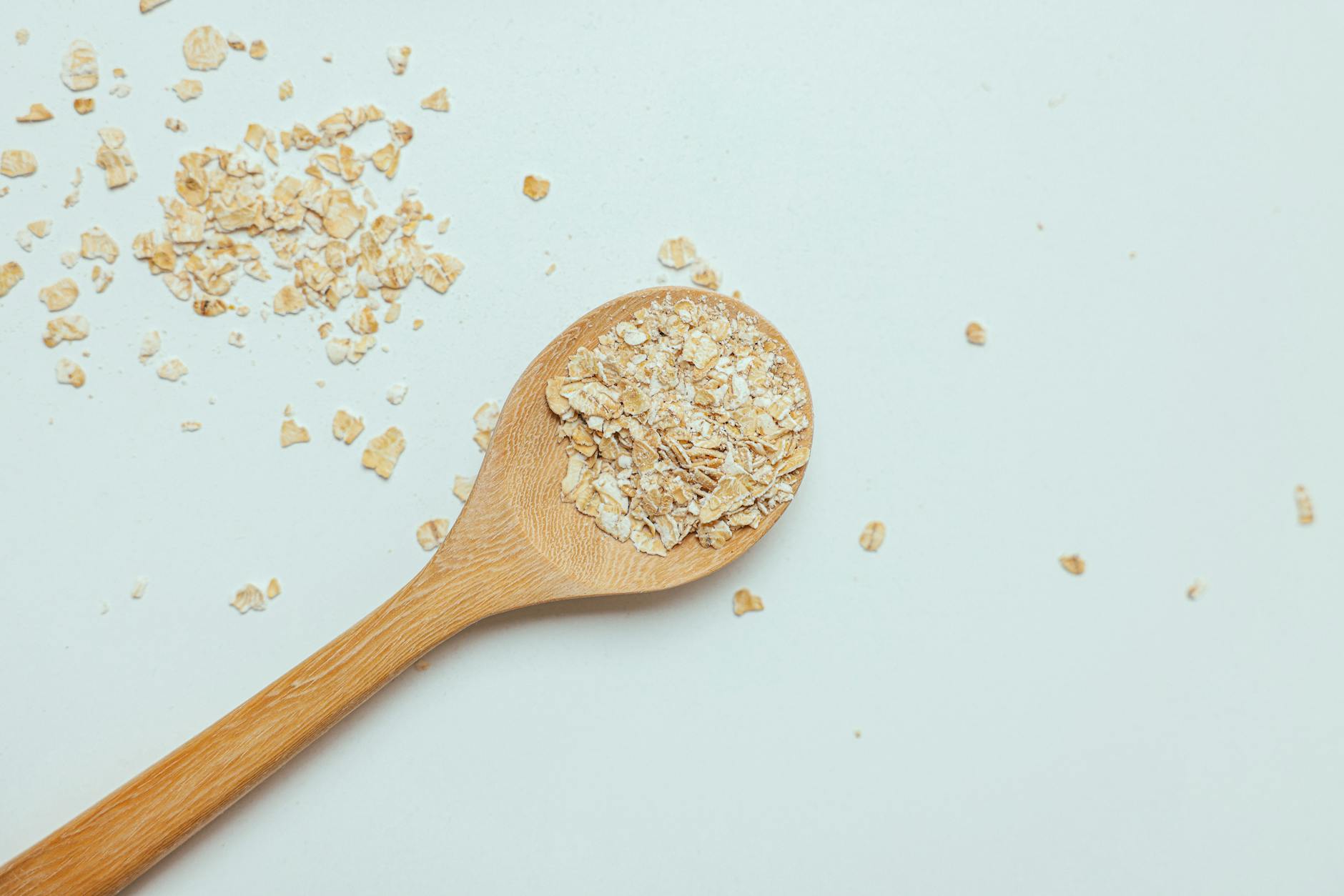
Starting your morning with oats is one of the easiest ways to increase your fiber intake early in the day. A cup of cooked oatmeal provides about 4 grams of fiber, including a special soluble fiber called beta-glucan. Beta-glucan has been studied for its potential to support healthy cholesterol levels. Oats are also gentle on the stomach and work well for people who are just beginning to eat more fiber. You can prepare them as overnight oats, blend them into smoothies, or use oat flour in baking. Choose steel-cut or rolled oats over instant varieties for the highest fiber content per serving.
3. Chia Seeds
Tiny chia seeds deliver a remarkable fiber punch. Just two tablespoons contain nearly 10 grams of fiber, most of it soluble. When mixed with liquid, they form a gel-like consistency that may help promote feelings of fullness. Clinical evidence suggests this gel-forming property can support healthy digestion by slowing the movement of food through the gut. Chia seeds are also rich in omega-3 fatty acids and plant protein. Sprinkle them on yogurt, stir them into oatmeal, or make a simple chia pudding by soaking them in your favorite milk overnight.
4. Black Beans
Black beans are a staple in many cuisines for good reason. One cooked cup offers about 15 grams of fiber along with substantial protein and iron. They contain a blend of soluble and insoluble fiber that supports both gut motility and beneficial gut bacteria. Studies indicate that legumes remain one of the least popular yet most fiber-dense food groups in the typical American diet, which means adding them could make a real difference. Rinse canned black beans to reduce sodium, then add them to tacos, salads, or homemade veggie burgers for a satisfying, fiber-rich meal.
5. Raspberries
Among fruits, raspberries rank near the top for fiber. One cup of fresh raspberries provides about 8 grams, which is impressive for such a low-calorie food. Their fiber is split between soluble and insoluble types, supporting both digestive regularity and heart health. Raspberries also deliver a hefty dose of vitamin C and antioxidants. Their natural sweetness makes them a perfect snack on their own. You can also fold them into cereal, blend them into smoothies, or pair them with a handful of nuts for a balanced, fiber-forward snack.
6. Broccoli
Broccoli is a fiber-rich vegetable that deserves a regular spot on your dinner plate. One cooked cup contains roughly 5 grams of fiber plus generous amounts of vitamins C and K. Research highlights that vegetables are among the main sources of dietary fiber, and broccoli is one of the most accessible options. It also contains sulforaphane, a compound studied for its potential antioxidant benefits. Broccoli is versatile enough to roast, steam, stir-fry, or eat raw with hummus. Lightly cooking it can make the fiber easier to digest while preserving most of its nutrients.
7. Pears
A medium pear with the skin on provides about 6 grams of fiber, making it one of the highest-fiber fruits you can eat. Much of that fiber is soluble pectin, which may help support healthy cholesterol and blood sugar levels. Pears are gentle on the digestive system and rarely cause allergic reactions, so they work well for almost everyone. They make a convenient grab-and-go snack that requires zero preparation. For extra nutrition, slice pears into salads or pair them with cheese and walnuts. Keeping the skin intact is important because that is where most of the fiber lives.
8. Quinoa
Quinoa stands out among grains because it is both a complete protein and a solid source of fiber. One cooked cup contains about 5 grams of fiber along with all nine essential amino acids. It is naturally gluten-free, making it a smart choice for people with celiac disease or gluten sensitivity. Quinoa cooks in about 15 minutes and has a mild, nutty flavor that works in many dishes. Use it as a base for grain bowls, mix it into salads, or serve it alongside roasted vegetables. Rinsing quinoa before cooking removes its natural bitter coating and improves the taste.
9. Sweet Potatoes
Sweet potatoes are a comforting, nutrient-dense food that also happens to be rich in fiber. One medium baked sweet potato with the skin provides roughly 4 grams of fiber. They are an excellent source of beta-carotene, which your body converts into vitamin A. The soluble fiber in sweet potatoes may help feed beneficial gut bacteria, supporting a healthier microbiome over time. Baking or roasting sweet potatoes is the simplest preparation method. You can also cube and add them to chili, mash them as a side dish, or slice them into wedges for a wholesome alternative to regular fries.
10. Almonds
Almonds offer a satisfying crunch along with a notable fiber boost. A one-ounce serving — roughly 23 almonds — delivers about 3.5 grams of fiber plus healthy monounsaturated fats and vitamin E. Research suggests that nuts are among the foods with the highest fiber content, yet many people overlook them as a fiber source. Almonds also provide plant protein that helps keep you satisfied between meals. Keep a small bag at your desk or in your car for an easy snack. You can also stir almond butter into oatmeal or sprinkle slivered almonds over salads for extra texture and fiber.
Eating a variety of fiber-rich foods each day is one of the most effective ways to support your digestion, heart, and overall health. Start by adding just one or two of these foods to your weekly grocery list, then gradually build from there. Small, consistent changes tend to stick — and your gut will thank you for every extra gram.
Medical Disclaimer: This article is for informational purposes only and does not constitute medical advice. Always consult a qualified healthcare professional before making health decisions.




