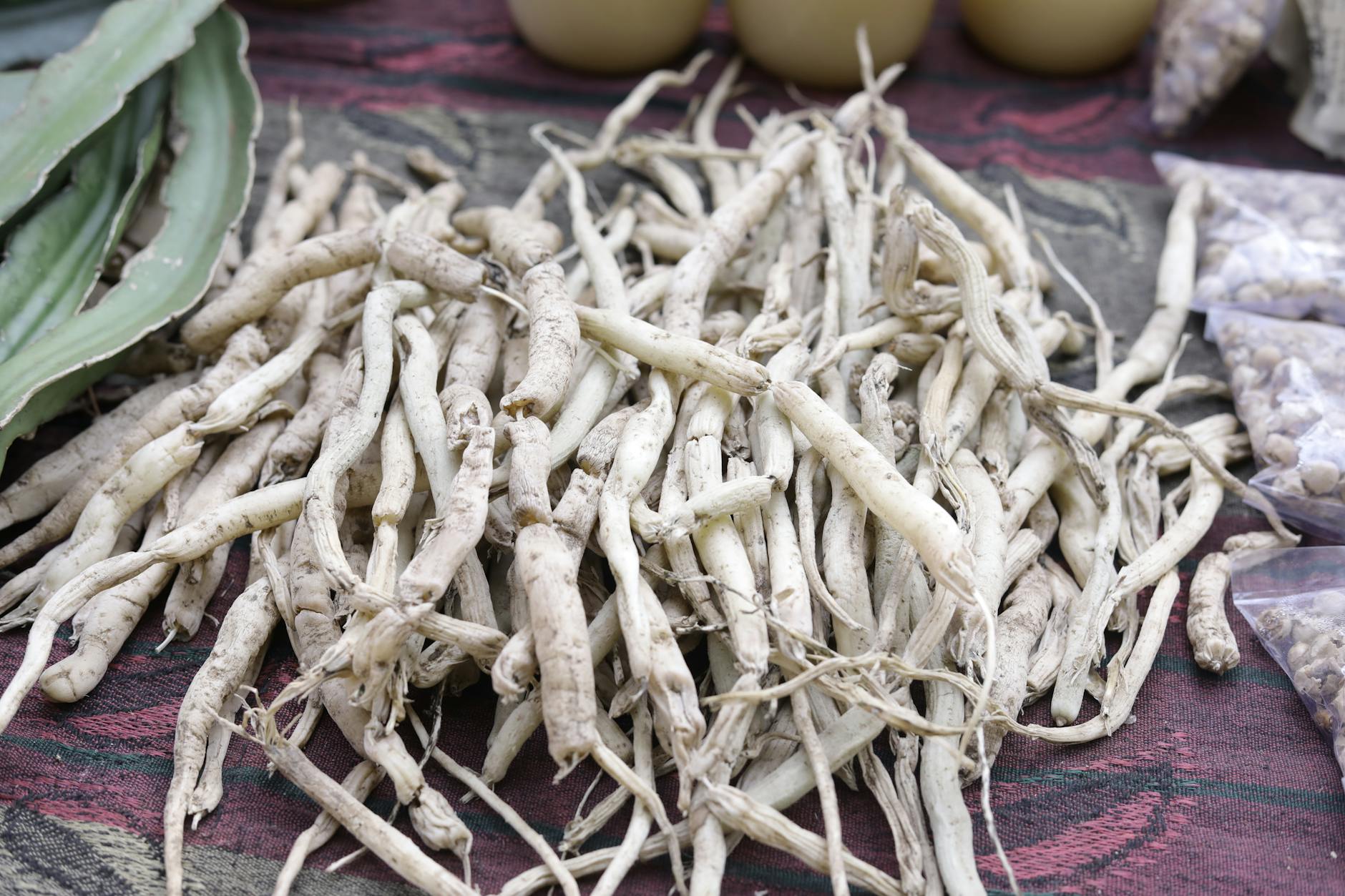
Burdock root has been a staple in traditional Chinese, Japanese, and European herbal medicine for centuries. Today, researchers are investigating why this humble root vegetable may deserve a permanent spot in your wellness routine. From antioxidant activity to digestive support, the burdock root benefits that science is uncovering are genuinely impressive.
1. Rich in Powerful Antioxidants
Burdock root contains an impressive array of antioxidant compounds. These include quercetin, luteolin, and phenolic acids that help neutralize harmful free radicals in the body. Free radicals contribute to cellular damage and accelerate aging over time. Research published in a comprehensive review in NIH/PMC confirmed burdock root’s significant antioxidant properties, linking them to multiple protective health effects. Adding burdock root tea or cooked burdock to your diet is a simple way to boost your daily antioxidant intake.
2. May Help Reduce Inflammation
Chronic inflammation is linked to heart disease, diabetes, and autoimmune conditions. Burdock root contains bioactive compounds that appear to calm inflammatory pathways in the body. One clinical study found that burdock root tea significantly decreased inflammatory markers like IL-6 and hs-CRP in patients with osteoarthritis. The same study noted improvements in antioxidant enzyme activity. If you deal with joint stiffness or chronic pain, burdock root tea may be worth discussing with your doctor.
3. Supports Digestive Health and Regularity
Burdock root is a natural source of inulin, a type of prebiotic dietary fiber. Inulin feeds the beneficial bacteria in your gut and helps promote regular bowel movements. A recent animal study showed that burdock root dietary fiber enhanced intestinal motility and repaired intestinal mucosal damage in aging constipated subjects through anti-inflammatory and antioxidant mechanisms. Incorporating burdock root into soups or stir-fries is a tasty way to support your digestive system naturally.
4. Shows Promise for Blood Sugar Management
Managing blood sugar is a growing concern for millions of people worldwide. Early research suggests burdock root may play a helpful role. A study on diabetic animal models found that burdock root extract demonstrated dose-dependent antidiabetic effects, reducing fasting blood glucose and improving lipid profiles with effectiveness comparable to commercial antidiabetic drugs. While human clinical trials are still needed, these findings are encouraging. Anyone with diabetes should consult their healthcare provider before using burdock root as a supplement.
5. May Promote Healthier Skin
Traditional herbalists have long recommended burdock root for skin conditions like acne and eczema. Modern science suggests there may be good reason for that tradition. The root’s anti-inflammatory and antibacterial properties may help address the underlying causes of breakouts. Its antioxidant content also supports skin cell repair and protection from environmental damage. Drinking burdock root tea daily or applying topical preparations may help improve skin clarity over time.
6. Supports Liver Function
Your liver works constantly to filter toxins and metabolize nutrients. Research indicates burdock root possesses hepatoprotective qualities, meaning it may help shield liver cells from damage. Animal studies have shown it can reduce markers of liver stress caused by toxic exposure. The root’s antioxidant compounds appear to enhance the liver’s own detoxification processes. Consider adding burdock root to your routine if you want to give your liver some extra natural support.
7. Contains Important Vitamins and Minerals
Beyond its specialized plant compounds, burdock root is simply nutritious. It provides potassium, magnesium, manganese, and phosphorus in meaningful amounts. You will also find B vitamins, vitamin C, and iron in a typical serving. These nutrients support everything from nerve function to energy production. Eating burdock root as a vegetable, common in Japanese cuisine where it is called gobo, is an easy way to diversify your nutrient intake.
8. May Enhance Immune Function
A well-functioning immune system relies on a steady supply of antioxidants and anti-inflammatory compounds. Burdock root delivers both in abundance. Studies suggest its bioactive components may help modulate immune responses, keeping them strong without triggering overreaction. The prebiotic fiber in burdock root also supports gut health, which houses roughly 70 percent of your immune tissue. Sipping burdock root tea during cold and flu season is one practical approach to consider.
9. Acts as a Natural Diuretic
Burdock root has traditionally been used to support kidney function and promote fluid balance. Research suggests it may act as a mild natural diuretic, helping the body eliminate excess water and sodium. This gentle effect can help reduce bloating and support healthy blood pressure levels. Unlike pharmaceutical diuretics, burdock root is generally well-tolerated when consumed in moderate amounts. If you experience frequent water retention, talk with your doctor about whether burdock root might complement your care plan.
10. Potential Anti-Cancer Properties
Some of the most intriguing burdock root benefits involve its potential role in cancer research. Laboratory studies have identified compounds in burdock root that may inhibit the growth of certain cancer cell lines. Arctigenin, a lignan found in the root, has shown particular promise in early-stage research. It is important to note that these are preliminary findings from cell and animal studies, not human clinical trials. No one should use burdock root as a cancer treatment, but ongoing research may eventually reveal meaningful applications.
Burdock root is a versatile, nutrient-rich plant with a growing body of scientific evidence supporting its traditional uses. Whether you enjoy it as a tea, a cooked vegetable, or a supplement, it offers a range of potential health benefits worth exploring. Talk with your healthcare provider to find out if adding burdock root to your routine makes sense for your individual health goals.
Medical Disclaimer: This article is for informational purposes only and does not constitute medical advice. Always consult a qualified healthcare professional before making health decisions.




