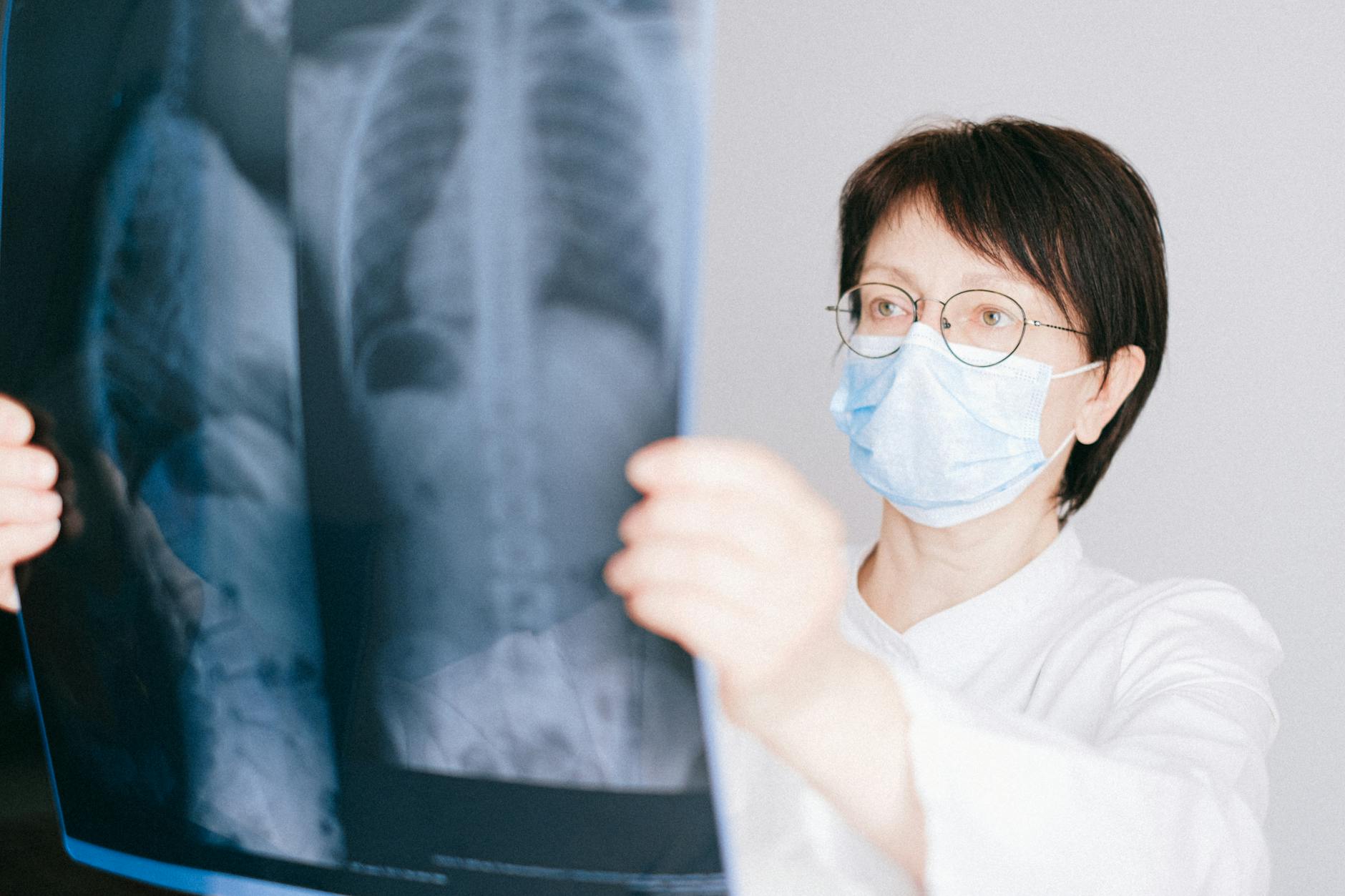
Chest wall pain is one of the most common reasons people visit their doctor or rush to the emergency room. Research suggests that musculoskeletal causes account for a significant portion of chest pain complaints in primary care settings. Understanding the potential origins of this discomfort can ease anxiety and help you have a more productive conversation with your healthcare provider.
1. Costochondritis
Costochondritis is one of the leading causes of chest wall pain. It involves inflammation of the cartilage connecting your ribs to your breastbone. The pain is typically sharp and localized to the front of the chest. It often gets worse when you cough, take a deep breath, or twist your torso. According to the NIH, costochondritis is diagnosed by reproducible tenderness at the costochondral junctions and is generally managed with analgesics. While it can be frightening, this condition is not life-threatening. Applying warm compresses and avoiding movements that worsen the pain may provide some relief while you recover.
2. Muscle Strain
Overexertion during exercise, heavy lifting, or even a severe coughing episode can strain the muscles between your ribs. These intercostal muscles are surprisingly easy to irritate. The resulting chest wall pain often feels sore and tender to the touch. It may intensify when you reach overhead or rotate your upper body. Rest and over-the-counter pain relievers are usually enough to manage a mild strain. If the pain persists for more than a few days, checking in with a healthcare professional is a smart move.
3. Rib Fractures
A fractured rib can cause intense, localized chest wall pain that worsens with breathing. Falls, car accidents, and contact sports are common culprits. Even forceful coughing can crack a rib, especially in older adults with lower bone density. The pain is often sharp and pinpointed to a specific area of the chest. Diagnosis usually involves imaging like an X-ray or CT scan. Most rib fractures heal on their own within six weeks. Managing pain effectively is important because shallow breathing from discomfort can increase the risk of pneumonia.
4. Tietze Syndrome
Tietze syndrome is sometimes confused with costochondritis, but there is a key difference. This condition involves visible swelling at the costochondral junction, while costochondritis does not. It typically affects the upper ribs and tends to occur in younger adults. The swelling creates a noticeable lump on the chest that is tender when pressed. Clinical evidence shows it is a benign condition that usually resolves over time. Anti-inflammatory medications and rest are the primary approaches to management. If you notice unexplained chest swelling, a visit to your doctor can rule out more serious concerns.
5. Chest Wall Syndrome
Chest wall syndrome is an umbrella term for musculoskeletal pain in the chest that lacks a specific structural cause. A study published in PubMed found that chest wall syndrome is the most frequent cause of chest pain in primary care, affecting 46.6% of patients. A simple four-point clinical score can help doctors distinguish it from cardiac-related pain. The condition is often diagnosed after heart problems and other serious causes have been excluded. Reassurance from your doctor, combined with pain management strategies, is typically the recommended course of action.
6. Spondyloarthritis-Related Chest Pain
Many people do not realize that inflammatory spinal conditions can trigger chest wall pain. Research published in PubMed indicates that anterior chest wall pain occurs in 37.1% of spondyloarthritis patients. The pain is often sharp, worsened by breathing, and may appear early in the disease course. It stems from inflammation at the joints where the ribs meet the spine or sternum. This type of pain can respond to anti-TNF agents in some cases. If you experience persistent chest discomfort alongside back stiffness, discussing inflammatory conditions with a rheumatologist could be worthwhile.
7. Fibromyalgia
Fibromyalgia is a chronic pain condition that can affect many areas of the body, including the chest wall. People with fibromyalgia often describe widespread tenderness and heightened sensitivity to pressure. Chest wall pain in these patients may mimic costochondritis but tends to coexist with fatigue, sleep disturbances, and cognitive fog. The pain is thought to result from altered pain processing in the nervous system. A multidisciplinary approach involving gentle exercise, stress management, and sometimes medication may help reduce symptoms. Keeping a pain journal can help your doctor identify patterns and tailor treatment.
8. Herpes Zoster (Shingles)
Shingles can cause burning, stabbing chest wall pain before a rash even appears. The varicella-zoster virus reactivates along a nerve pathway, creating a band of intense pain on one side of the chest. This pain can be easily mistaken for a heart or lung problem. Once the characteristic blistering rash shows up, the diagnosis becomes clearer. Early antiviral treatment may help shorten the episode and reduce complications. The lingering nerve pain, called postherpetic neuralgia, can persist for months. Adults over 50 should talk to their doctors about shingles vaccination as a preventive measure.
9. Precordial Catch Syndrome
This condition causes sudden, sharp pain near the heart that lasts only seconds to a few minutes. It is most common in children and young adults. The pain typically occurs at rest and worsens with deep breathing. Despite how alarming it feels, precordial catch syndrome is considered harmless. The exact cause remains unclear, though some experts believe it involves irritation of the chest wall lining. It usually resolves on its own without any treatment. If your child complains of brief, stabbing chest pains that come and go, this benign condition is a likely explanation worth discussing with their pediatrician.
10. Pleurisy
Pleurisy occurs when the lining surrounding the lungs becomes inflamed. It produces a distinctive chest wall pain that is sharp, stabbing, and worsens with every breath. As the NIH notes, this type of pain is often pleuritic in nature, aggravated by arm or torso movement, and reproducible by palpation. Infections, autoimmune diseases, and pulmonary embolism are among the possible causes. Diagnosis often involves a physical exam, chest X-ray, and blood tests. Treatment depends on the underlying cause. Seeking medical attention promptly is important because pleurisy can sometimes signal a serious condition that requires urgent care.
Chest wall pain has many possible causes, and most of them are musculoskeletal rather than cardiac. Still, any new or unexplained chest pain deserves a proper medical evaluation to rule out serious conditions. Start by scheduling an appointment with your primary care provider so they can assess your symptoms and guide you toward the right treatment plan.
Medical Disclaimer: This article is for informational purposes only and does not constitute medical advice. Always consult a qualified healthcare professional before making health decisions.




