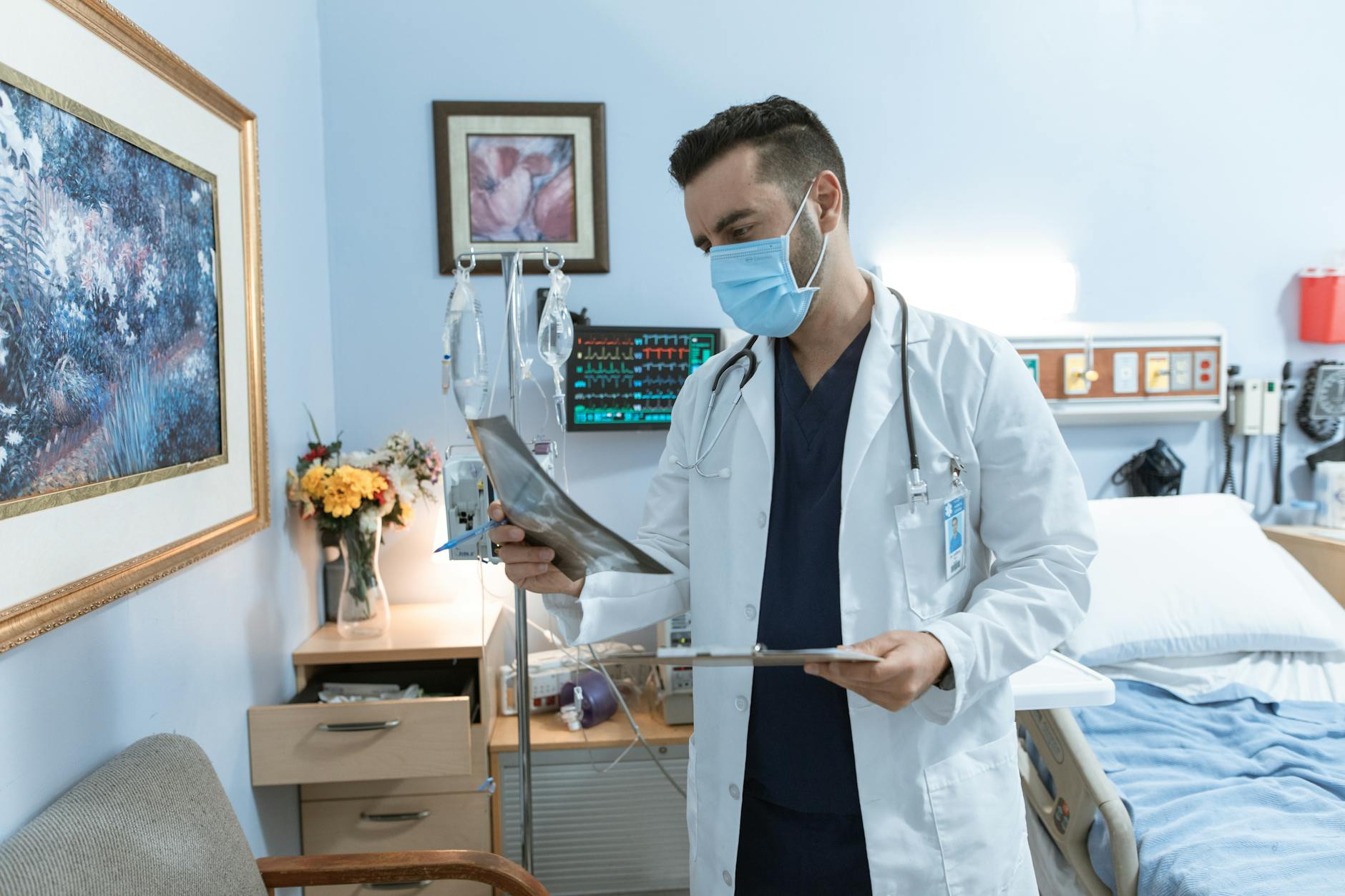
The femur is the longest, strongest bone in the human body, yet femur fractures remain a significant health concern affecting hundreds of thousands of people each year. Whether caused by high-energy trauma in younger adults or a simple fall in older individuals, a femur fracture can be life-altering and requires prompt medical attention. Understanding the basics of this injury can help you recognize warning signs and navigate the recovery process more confidently.
1. The Femur Is the Strongest Bone in Your Body
Your femur, or thighbone, runs from your hip to your knee. It is the largest and strongest bone you have. Breaking it typically requires tremendous force, such as a car accident or severe fall. In older adults with weakened bones, however, even a low-energy event can cause a fracture. The femur supports nearly all your body weight during standing and walking. This makes a femur fracture an especially disabling injury. Because the bone plays such a critical structural role, treatment almost always involves surgery rather than simple casting. If you or a loved one sustains a thigh injury with severe pain and inability to bear weight, seek emergency care immediately.
2. There Are Several Distinct Types of Femur Fracture
Not all femur fractures are the same. Doctors classify them by location along the bone. Femoral shaft fractures occur in the long middle section. Proximal fractures happen near the hip, while distal fractures occur near the knee. According to NIH resources, femoral neck fractures are intracapsular hip fractures that connect the femoral shaft to the femoral head and require specific management considerations. Each type carries unique challenges for surgeons and patients alike. Understanding which type you have helps set realistic expectations for surgery and recovery time.
3. High-Energy Trauma Is the Leading Cause in Younger Adults
In people under 50, a femur fracture usually results from significant trauma. Car and motorcycle accidents are the most common culprits. Falls from height, sports collisions, and industrial accidents also contribute. The force needed to snap a healthy femur is substantial, often exceeding 1,700 newtons. Because of this, younger patients with femur fractures frequently have other injuries too. Doctors typically perform a full-body assessment to check for internal bleeding, organ damage, and additional fractures. Wearing seatbelts and proper safety gear remains the most practical way to reduce your risk.
4. Osteoporosis Makes Older Adults Especially Vulnerable
For adults over 65, the story is different. Osteoporosis gradually thins bone tissue, making the femur far more fragile. A simple fall from standing height can be enough to cause a break. Women are disproportionately affected because bone density tends to decline faster after menopause. Research suggests that up to one in three women over 50 will experience an osteoporotic fracture in their lifetime. Regular bone density screenings and weight-bearing exercise may help preserve femoral strength. Talk to your doctor about calcium, vitamin D, and medications that support bone health as you age.
5. Surgery Is Almost Always Necessary
Unlike a broken wrist that might heal in a cast, a femur fracture nearly always requires surgical intervention. The standard approach for shaft fractures involves inserting a metal rod, called an intramedullary nail, down the center of the bone. For fractures near the hip or knee, plates and screws are commonly used. A Cochrane review published in PubMed found that evidence comparing techniques like retrograde intramedullary nails versus locking plates for distal femur fractures remains limited, with very low-certainty evidence of little difference in reoperation rates. Your surgeon will select the best hardware based on fracture location, your age, and bone quality.
6. Multiple Fractures Along the Femur Can Occur Simultaneously
In severe trauma, the femur can break in more than one place at the same time. These non-contiguous fractures present a complex surgical challenge. Each fracture site needs stable fixation to allow proper healing. A study published in PubMed showed that surgical treatment using open reduction and internal fixation for multiple non-contiguous femur fractures yielded excellent clinical and radiological outcomes at a 32-month follow-up. The researchers also proposed a treatment algorithm to guide surgical decision-making. Early diagnosis with full-length imaging of the femur is essential so no fracture goes undetected.
7. Protecting the Hip During Knee-Area Surgery Matters
One lesser-known complication involves the hip. When older patients break the femur near the knee, the hip on the same side may be at risk for a subsequent fracture. Clinical evidence shows this is not a rare event. Research published in PubMed found that fixation protecting the femoral neck during treatment of low-energy distal femur fractures in patients 50 and older significantly reduces the risk of a later hip fracture, with rates reaching up to 7.2 percent without protective measures. Ask your orthopedic surgeon whether prophylactic fixation of the femoral neck is appropriate in your case.
8. Recovery Typically Takes Three to Six Months
Healing from a femur fracture is a marathon, not a sprint. Most patients need three to six months before the bone is solid enough for full weight-bearing activity. Younger, healthier individuals tend to heal faster. Older patients or those with complications like infection may take longer. Physical therapy usually starts within days of surgery, focusing on gentle range-of-motion exercises. Gradually, the program advances to strengthening and walking practice. Patience is crucial during this phase. Following your rehabilitation plan closely gives you the best chance of regaining full function.
9. Complications Can Include Blood Clots and Infection
Any major fracture and surgery carry risks. Blood clots in the deep veins of the leg, known as deep vein thrombosis, are a well-documented concern after femur fracture. Fat embolism syndrome, where fat droplets enter the bloodstream, is another potentially serious complication. Surgical site infections, though relatively uncommon with modern techniques, can delay healing significantly. Compartment syndrome, a buildup of pressure in leg muscles, requires emergency treatment. Doctors routinely prescribe blood thinners and antibiotics to minimize these risks. Report any sudden leg swelling, chest pain, or fever to your medical team without delay.
10. Long-Term Outcomes Are Generally Favorable With Proper Care
Despite the severity of a femur fracture, most people recover well with appropriate treatment. Studies indicate that the majority of patients return to their pre-injury activity levels within a year. Hardware like rods and plates usually stays in place permanently unless it causes discomfort. Some patients experience mild stiffness or leg-length differences, but these are often manageable. Ongoing follow-up with your orthopedic surgeon ensures the bone heals correctly and complications are caught early. Staying active within your doctor’s guidelines, eating a nutrient-rich diet, and attending every physical therapy session are the best steps you can take toward a strong recovery.
A femur fracture is a serious injury, but understanding its causes, treatment options, and recovery timeline puts you in a stronger position to heal. If you or someone you care about faces this diagnosis, work closely with an orthopedic specialist and commit fully to rehabilitation for the best possible outcome.
Medical Disclaimer: This article is for informational purposes only and does not constitute medical advice. Always consult a qualified healthcare professional before making health decisions.




