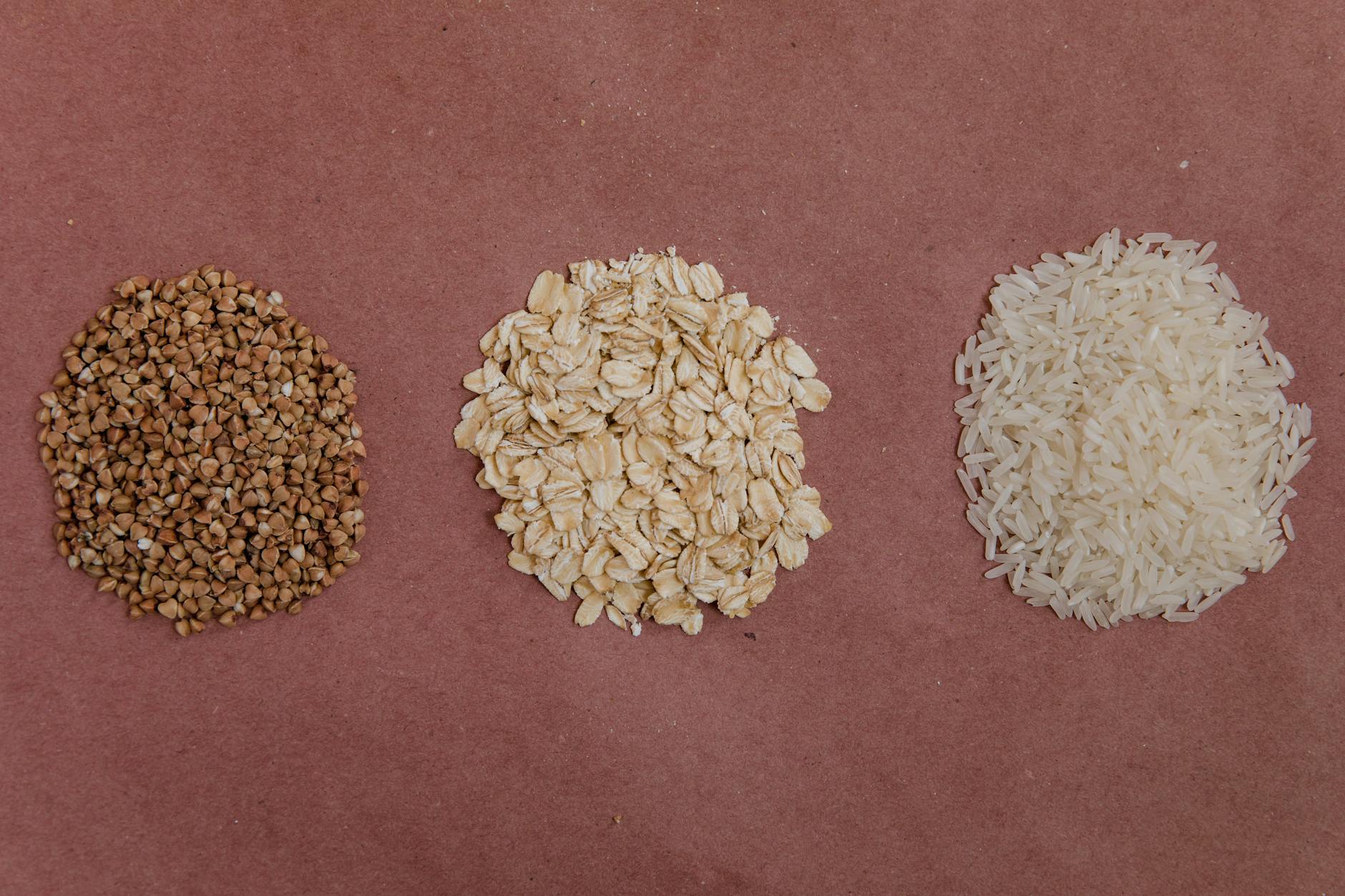
Carbohydrates are the body’s primary fuel source, yet few nutrients spark as much confusion. Understanding good carbs vs bad carbs can help you make smarter food choices that support steady energy, healthy weight, and long-term wellness. Here are ten key differences that separate the carbs worth eating from the ones worth limiting.
1. Fiber Content Sets Them Apart
One of the clearest differences between good and bad carbs is fiber. Good carbs from vegetables, legumes, and whole grains are naturally rich in dietary fiber. Fiber slows digestion, keeps you feeling full longer, and supports gut health. Bad carbs like white bread, pastries, and sugary cereals have been stripped of most fiber during processing. Research from Cleveland Clinic confirms that complex carbs from beans, fruits, and whole grains provide sustained energy and essential fiber without blood sugar spikes. A simple swap from white rice to brown rice can significantly boost your daily fiber intake.
2. Blood Sugar Response Is Dramatically Different
Good carbs raise blood glucose slowly and steadily. Bad carbs cause rapid spikes followed by sharp crashes. This difference matters for energy, mood, and metabolic health over time. According to Harvard Health, good carbs like whole grains, brown rice, and legumes produce a gentle glucose curve, while bad carbs like white bread and sugary sodas trigger rapid blood sugar surges. Choosing foods that produce a slower glucose response may help reduce cravings and keep your appetite more stable throughout the day.
3. Nutrient Density Varies Widely
Good carbs come packaged with vitamins, minerals, and antioxidants. Think sweet potatoes loaded with vitamin A or quinoa rich in magnesium and iron. Bad carbs, on the other hand, deliver calories with very little nutritional value. A frosted doughnut and a bowl of oatmeal may contain similar calorie counts, yet the oatmeal offers B vitamins, zinc, and manganese. When choosing carbs, look for options that deliver nutrients alongside energy rather than empty calories alone.
4. Processing Levels Tell the Story
The amount of processing a food undergoes is a reliable indicator of carb quality. Good carbs are minimally processed or whole. Steel-cut oats, brown rice, and fresh fruit retain their natural structure. Bad carbs have been refined, bleached, or loaded with added sugars. White flour, for example, has been stripped of the bran and germ. This removes fiber, healthy fats, and most micronutrients. Reading ingredient labels for words like “enriched” or “refined” can help you spot bad carbs quickly at the grocery store.
5. Impact on Heart Health Differs Significantly
Clinical evidence suggests that carb quality plays a meaningful role in cardiovascular health. Whole grains, fruits, and legumes are linked to lower LDL cholesterol and reduced inflammation. Refined carbs and added sugars, however, may contribute to higher triglyceride levels and increased heart disease risk. A study published in PubMed found that low glycemic index carbohydrate diets from whole grains provide notable benefits in preventing cardiovascular disease. Prioritizing good carbs is one straightforward step toward protecting your heart over the long term.
6. Energy Sustainability Is Night and Day
Bad carbs deliver a quick burst of energy that fades fast. That mid-afternoon crash after a candy bar is a classic example. Good carbs release glucose gradually, providing a steady stream of fuel. This sustained energy helps you stay focused at work and power through workouts. Complex carbohydrates from sources like lentils, barley, and whole wheat pasta break down slowly during digestion. If you find yourself reaching for a sugary snack every few hours, swapping it for a handful of almonds and an apple can make a noticeable difference.
7. Weight Management Outcomes Are Not the Same
Many people fear carbs cause weight gain, but research paints a more nuanced picture. Bad carbs can contribute to overeating because they digest quickly and leave you hungry soon after. Good carbs promote satiety thanks to their fiber and water content. Studies indicate that people who eat diets rich in whole grains and vegetables tend to maintain healthier body weights. The key is not eliminating carbs entirely but choosing ones that keep you satisfied. A baked sweet potato with black beans will keep hunger at bay far longer than a bag of chips.
8. Their Effects on Insulin Sensitivity Diverge
Insulin sensitivity determines how efficiently your body processes glucose. Diets heavy in refined carbs may gradually impair this process. Good carbs appear to support healthier insulin function over time. According to the NIH, high carbohydrate diets rich in quality sources actually increase insulin sensitivity and lower the risk of type 2 diabetes. This challenges the popular myth that all carbs are harmful for blood sugar regulation. Choosing whole food carbs can be a proactive strategy for metabolic health.
9. Gut Health Responds Differently to Each Type
Your gut microbiome thrives on the prebiotic fibers found in good carbs. Foods like oats, bananas, garlic, and lentils feed beneficial bacteria. A diverse and well-nourished microbiome supports immune function, digestion, and even mental health. Bad carbs offer little to your gut bacteria. Worse, diets heavy in refined sugars may encourage the growth of less desirable microbial strains. Research suggests that a fiber-rich diet can increase microbial diversity within weeks. Adding one extra serving of vegetables or whole grains daily is a practical starting point for better gut health.
10. Long-Term Disease Risk Moves in Opposite Directions
Over years and decades, carb quality influences chronic disease risk in measurable ways. Diets built around good carbs are associated with lower rates of obesity, type 2 diabetes, and certain cancers. Diets loaded with refined carbs and added sugars trend in the opposite direction. This does not mean you can never enjoy a slice of cake. It means the carbs you eat most often matter more than an occasional treat. Building your meals around whole grains, legumes, fruits, and vegetables stacks the odds in your favor for healthier aging and disease prevention.
Understanding good carbs vs bad carbs is less about strict rules and more about consistent, informed choices. Focus on whole, minimally processed sources most of the time, and give yourself flexibility for the occasional indulgence. Start by replacing one refined carb in your daily routine with a whole food alternative and build from there.
Medical Disclaimer: This article is for informational purposes only and does not constitute medical advice. Always consult a qualified healthcare professional before making health decisions.




