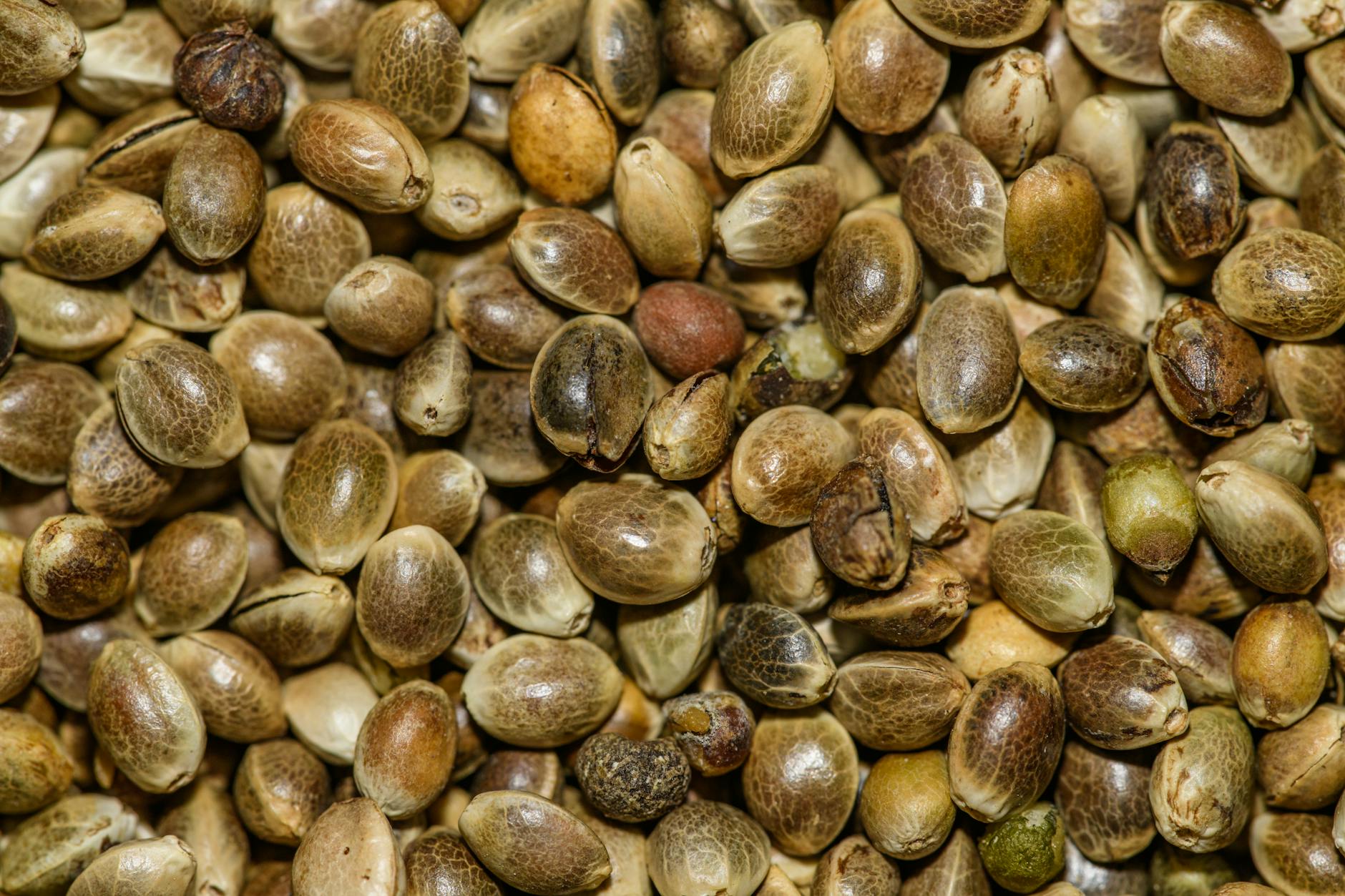
Hemp seed oil has quietly earned a reputation as one of the most nutrient-dense plant oils available. Pressed from the seeds of the Cannabis sativa plant, it contains no THC and offers a rich profile of essential fatty acids, vitamins, and minerals. Whether you drizzle it on salads or apply it to your skin, this versatile oil delivers a surprising range of health perks worth exploring.
1. Supports Heart Health
One of the most studied hemp seed oil benefits involves cardiovascular support. The oil is rich in alpha-linolenic acid, an omega-3 fatty acid linked to better heart function. Research indicates that hempseed oil exhibits cardioprotective effects, including reduced oxidative stress and improved lipid profiles. The ideal ratio of omega-6 to omega-3 fatty acids in hemp seed oil, roughly three to one, may help keep blood vessels flexible and reduce strain on the heart. Adding a tablespoon to your morning smoothie is an easy way to work this heart-friendly fat into your daily routine.
2. May Help Manage Cholesterol Levels
Keeping cholesterol in a healthy range is critical for long-term cardiovascular wellness. Animal studies suggest that hemp seed oil may positively influence lipid markers. One study found that hemp seed oil decreased blood plasma triglycerides and atherogenic parameters while also reducing harmful lipid peroxidation in the heart and plasma. While more human trials are needed, these early findings are encouraging. Swapping refined cooking oils for hemp seed oil in cold dishes could be a simple dietary upgrade to consider discussing with your doctor.
3. Delivers Powerful Anti-Inflammatory Effects
Chronic inflammation plays a role in conditions ranging from arthritis to metabolic syndrome. Hemp seed oil contains gamma-linolenic acid, or GLA, which the body converts into anti-inflammatory compounds. Clinical evidence shows that GLA may help reduce the production of pro-inflammatory cytokines, those chemical messengers that trigger swelling and pain. People dealing with joint stiffness or minor inflammatory discomfort may find hemp seed oil a worthwhile addition to an anti-inflammatory eating plan. Try using it as a salad dressing base paired with lemon juice and herbs.
4. Fights Oxidative Stress
Free radicals damage cells and accelerate aging when left unchecked. Hemp seed oil is rich in vitamin E and other antioxidant compounds that help neutralize these harmful molecules. Research published in 2021 found that hemp seed oil reduces oxidative stress at the cellular level in vivo, supporting its potential role in preventing conditions caused by reactive oxygen species. This antioxidant activity may benefit everything from skin health to brain function over time. Consistently incorporating antioxidant-rich foods like hemp seed oil into meals is a practical strategy for long-term cellular protection.
5. Promotes Healthy, Hydrated Skin
Dry, irritated skin often lacks essential fatty acids. Hemp seed oil penetrates deeply without clogging pores, making it a popular choice for natural skincare routines. Its balanced fatty acid profile helps strengthen the skin’s lipid barrier, locking in moisture and keeping irritants out. Studies suggest that dietary hemp seed oil may reduce symptoms of dryness and itchiness over several weeks of consistent use. Apply it directly as a lightweight facial moisturizer or mix a few drops into your existing lotion for an extra hydration boost.
6. Supports Gut Health and Intestinal Barrier Function
A healthy gut lining is your first defense against harmful bacteria and toxins. The omega-3 fatty acids in hemp seeds appear to play a role in maintaining that protective barrier. Research suggests that these fats improve intestinal barrier function and increase anti-inflammatory lipids within the endocannabinoidome, a network of signaling molecules in the body. A stronger gut lining means better nutrient absorption and fewer digestive issues. Consider pairing hemp seed oil with probiotic-rich foods like yogurt for a comprehensive approach to digestive wellness.
7. Provides a Complete Protein Source
While hemp seed oil is primarily valued for its fats, it also contains small amounts of all essential amino acids. This makes it a rare plant-based source of complete protein, valuable for vegans and vegetarians. The protein content is modest compared to whole hemp seeds, but every bit counts when building a balanced diet. Amino acids are the building blocks your body uses for muscle repair, immune function, and enzyme production. Drizzling hemp seed oil over grain bowls adds both healthy fats and a trace protein boost to plant-forward meals.
8. May Ease PMS and Hormonal Discomfort
Many women experience breast tenderness, bloating, and mood swings before their period. The GLA found in hemp seed oil may help the body produce prostaglandin E1, a hormone-like substance that can counteract the effects of prolactin, which is linked to PMS symptoms. Some preliminary studies suggest that GLA supplementation reduces the severity of premenstrual discomfort over several cycles. Results vary from person to person, and this area needs more robust clinical trials. Keeping a symptom journal while trying hemp seed oil can help you track whether it makes a noticeable difference.
9. Supports Brain Function and Mood
Your brain is roughly sixty percent fat, so the quality of dietary fats you consume matters enormously. Hemp seed oil supplies both omega-3 and omega-6 fatty acids that are critical for maintaining healthy brain cell membranes. Research suggests these fats support neurotransmitter signaling, which influences mood, focus, and memory. Some early evidence links adequate omega-3 intake to lower rates of depressive symptoms, though hemp seed oil alone is not a treatment for mental health conditions. Pairing it with fatty fish or walnuts can create a well-rounded brain-supporting nutrition plan.
10. May Help Manage Body Weight
Healthy fats promote satiety, helping you feel full longer after meals. Hemp seed oil’s fatty acid profile may also influence how the body stores and metabolizes fat. Animal research indicates that omega-3-rich hemp seeds can reduce adiposity, which refers to excess fat accumulation, through modulation of the endocannabinoidome. While these findings are not a guarantee for human weight loss, they point to potential metabolic benefits. Using hemp seed oil as a replacement for less nutritious fats in dressings and dips is a sensible first step toward a more balanced diet.
Hemp seed oil offers an impressive range of potential health perks, from heart and gut support to healthier skin and reduced inflammation. The easiest way to start is by replacing one processed oil in your kitchen with cold-pressed hemp seed oil and using it in uncooked dishes to preserve its delicate nutrients. As always, talk to your healthcare provider before adding any new supplement to your routine, especially if you take medications.
Medical Disclaimer: This article is for informational purposes only and does not constitute medical advice. Always consult a qualified healthcare professional before making health decisions.




