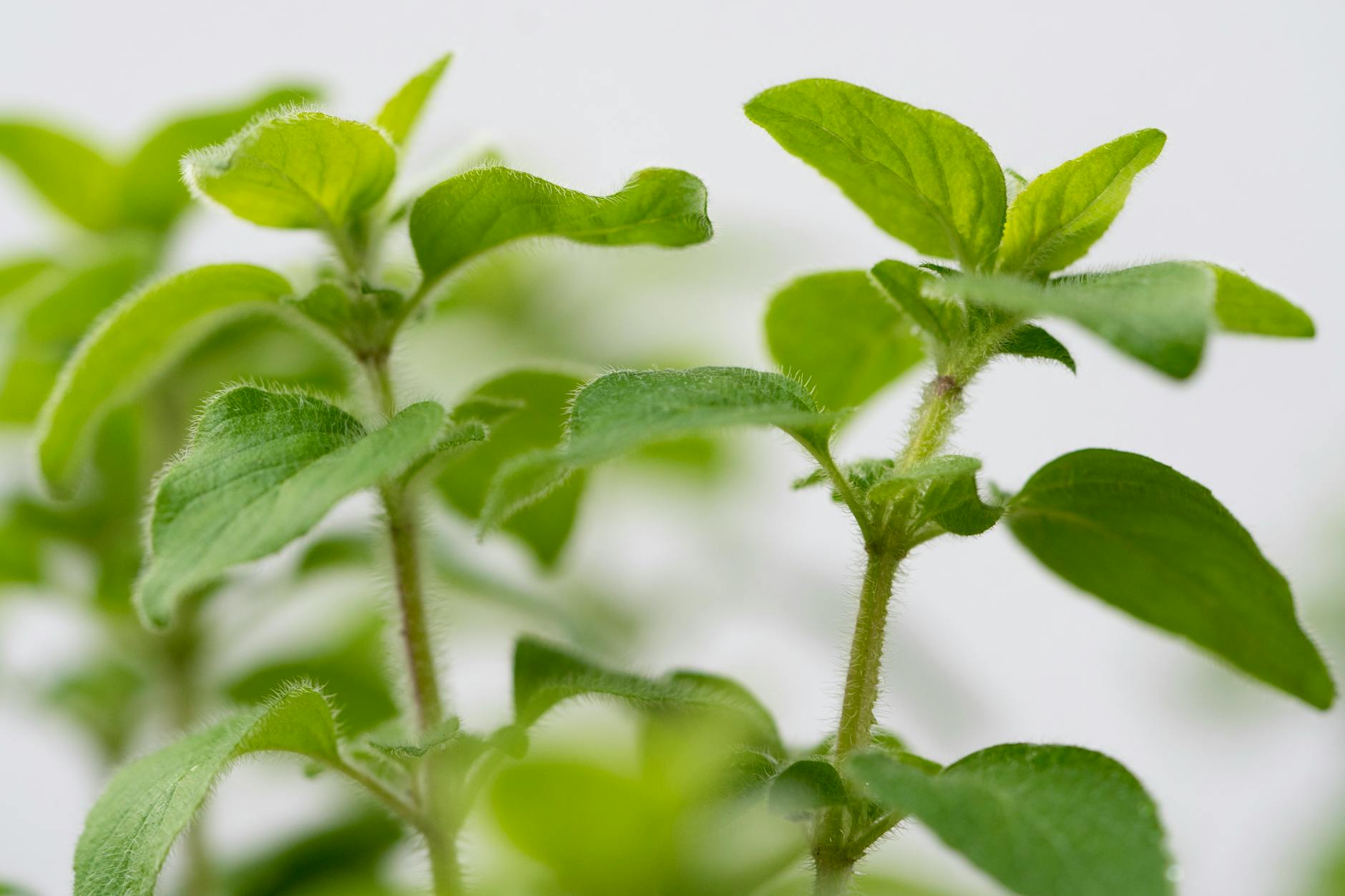
Holy basil, known as tulsi in Ayurvedic tradition, has been used for thousands of years across South and Southeast Asia as a powerful medicinal herb. Modern science is now validating many of the health claims behind this fragrant plant, and the results are genuinely impressive. Whether you steep it in tea or take it as a supplement, holy basil benefits may reach far beyond what most people expect.
1. May Help Reduce Stress and Anxiety
Holy basil is classified as an adaptogen, which means it may help your body cope more effectively with physical and psychological stress. Research suggests that its active compounds, including eugenol, rosmarinic acid, and ocimumosides, interact with pathways that regulate cortisol and mood. A comprehensive review in PubMed found that tulsi shows clinical efficacy for lifestyle-related chronic conditions, including stress-related symptoms, in human studies. People who experience daily tension may benefit from incorporating holy basil tea into their evening routine. As with any herbal supplement, consistency over several weeks tends to matter more than a single dose.
2. Supports Cognitive Function
Staying sharp as you age is a priority for many people, and holy basil may offer meaningful support. One randomized controlled trial published in PubMed found that holy basil leaf extract significantly improved cognitive parameters, including reaction time and error rates, compared to placebo in healthy adults. The participants showed measurable improvements on attention and processing tests after supplementation. If you are looking for a natural way to support mental clarity, holy basil is worth discussing with your healthcare provider.
3. Provides Potent Antioxidant Protection
Every cell in your body faces oxidative stress from free radicals generated by metabolism, pollution, and UV exposure. Holy basil is rich in flavonoids, phenolic acids, and other antioxidant compounds that may help neutralize these harmful molecules. Studies indicate that the herb’s antioxidant activity is comparable to some well-known dietary sources like vitamin C and vitamin E. Adding fresh holy basil leaves to salads or smoothies is a simple way to increase your antioxidant intake naturally.
4. May Help Manage Blood Sugar Levels
Maintaining healthy blood sugar is critical for long-term metabolic health. Clinical evidence shows that holy basil may improve fasting glucose and post-meal blood sugar levels in people with type 2 diabetes. The mechanism likely involves enhanced insulin secretion and improved insulin sensitivity at the cellular level. Research reviewed in PubMed highlights tulsi’s efficacy for metabolic syndrome and diabetes management in human trials. Anyone currently taking diabetes medication should consult their doctor before adding holy basil to their routine.
5. Strengthens Immune Defense
Your immune system is your frontline defense against pathogens, and holy basil appears to give it a notable boost. Research suggests the herb enhances the activity of natural killer cells and T-helper cells, both essential for fighting infections. Its immunomodulatory properties mean it can help calibrate your immune response rather than simply ramping it up. During cold and flu season, a daily cup of tulsi tea may serve as a gentle, supportive practice for overall immune health.
6. Shows Anti-Inflammatory Properties
Chronic low-grade inflammation is linked to conditions ranging from heart disease to arthritis and depression. Holy basil contains compounds like eugenol and ursolic acid that research suggests may inhibit key inflammatory enzymes, including COX-2. This mechanism is similar to how some over-the-counter anti-inflammatory medications work, though the herb’s effects tend to be milder. For people dealing with occasional joint stiffness or inflammatory discomfort, holy basil may complement other lifestyle strategies like regular movement and an anti-inflammatory diet.
7. May Support Respiratory Health
Breathing easy is something most people take for granted until congestion or infection strikes. Laboratory research published in PubMed found that holy basil extract significantly reduced cell death and attenuated pro-inflammatory cytokines in human lung epithelial cells infected with bacteria. The extract also enhanced bacterial clearance, suggesting a dual protective role. Traditional healers have long used tulsi for coughs and bronchial conditions, and emerging science appears to support that historical use.
8. Promotes Heart Health
Heart disease remains the leading cause of death worldwide, making prevention a top priority. Studies indicate that holy basil may help reduce total cholesterol and LDL cholesterol while supporting healthy blood pressure levels. Its antioxidant and anti-inflammatory actions also protect blood vessel linings from damage that can trigger plaque buildup. Pairing holy basil supplementation with a balanced diet rich in vegetables, whole grains, and healthy fats could offer a well-rounded approach to cardiovascular wellness.
9. May Have Anticancer Potential
While no herb should ever be considered a cancer treatment, early research on holy basil is noteworthy. A study published in PubMed found that holy basil leaf extract induced apoptosis, inhibited cell cycle progression, and reduced metastatic lung nodules in pancreatic cancer models. These findings are preliminary and based on laboratory and animal research, not human clinical trials. Still, they suggest that holy basil’s bioactive compounds deserve further investigation in the context of cancer biology.
10. Supports Skin and Oral Health
The antimicrobial and anti-inflammatory properties of holy basil extend to your skin and mouth. Research suggests that its essential oils can inhibit bacteria responsible for acne breakouts and gum disease. Some natural skincare products already include tulsi extract for its soothing and clarifying effects. For oral health, rinsing with cooled holy basil tea may help reduce bacterial load in the mouth. Consider looking for natural toothpastes or mouthwashes that list tulsi as an active ingredient for everyday use.
Holy basil is a remarkably versatile herb with a growing body of scientific evidence supporting its traditional uses. From stress relief and cognitive support to immune defense and metabolic health, the potential benefits are wide-ranging and compelling. Talk to your healthcare provider about whether adding holy basil tea or a standardized supplement might be a good fit for your wellness routine.
Medical Disclaimer: This article is for informational purposes only and does not constitute medical advice. Always consult a qualified healthcare professional before making health decisions.




