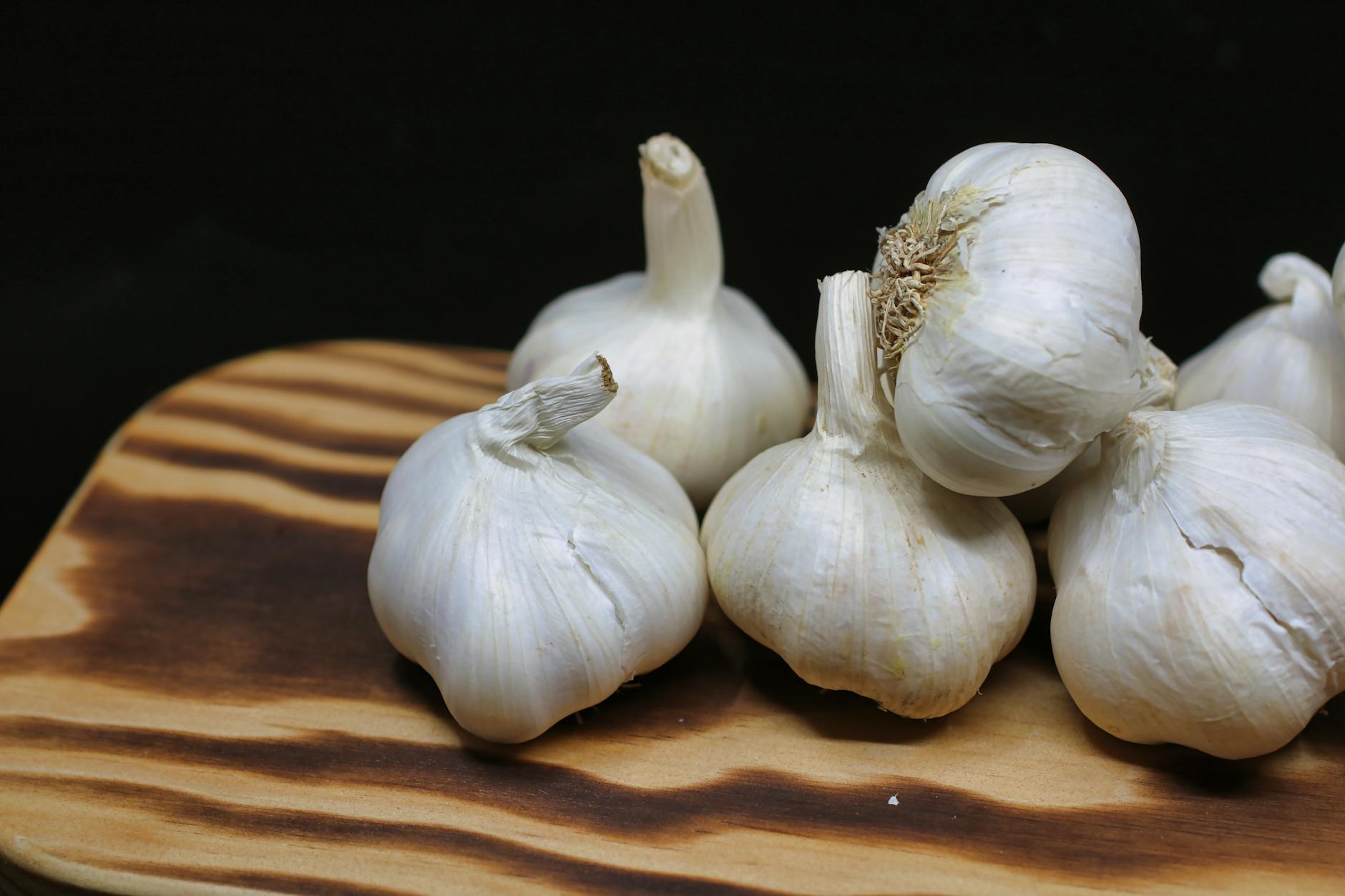
Garlic is one of the most widely used culinary ingredients on the planet, appearing in kitchens across virtually every culture. Beyond its unmistakable flavor, this humble bulb has attracted serious scientific attention for its potential health-promoting properties. Here are ten evidence-based reasons to keep garlic on your grocery list.
1. May Help Lower Blood Pressure
High blood pressure affects nearly half of all American adults. It is a leading risk factor for heart disease and stroke. Research suggests that garlic supplementation may offer meaningful support. According to a review published in PubMed, garlic supplements may reduce systolic blood pressure by 8 to 10 mmHg and diastolic by 5 to 6 mmHg in people with hypertension. Those numbers are comparable to some standard blood pressure medications. If you already take medication for hypertension, talk to your doctor before adding garlic supplements to your routine. Even incorporating more fresh garlic into meals could be a worthwhile first step.
2. Supports Healthy Cholesterol Levels
Keeping cholesterol in a healthy range is essential for long-term cardiovascular wellness. Clinical evidence shows that garlic may help reduce total cholesterol and LDL cholesterol, the type often called “bad” cholesterol. Studies indicate that regular garlic consumption can also improve triglyceride levels. The sulfur compounds in garlic, particularly allicin, appear to influence how the liver produces cholesterol. While garlic alone is not a substitute for prescribed statins, adding it to a balanced diet rich in fiber and healthy fats may offer additional lipid-lowering support. Aim for one to two fresh cloves daily for potential benefits.
3. Provides Potent Antioxidant Protection
Oxidative stress plays a role in aging and many chronic diseases. Garlic contains several antioxidant compounds, including allicin, S-allyl cysteine, and selenium. These compounds help neutralize harmful free radicals in the body. Research suggests that raw garlic consumption improves antioxidant status and may protect cells from damage over time. The combined effect of garlic’s antioxidants may also support the body’s own enzymatic defense systems. Including garlic as part of a diet rich in colorful fruits and vegetables can help maximize your antioxidant intake.
4. May Reduce the Risk of Heart Disease
Heart disease remains the leading cause of death worldwide. Garlic appears to address multiple cardiovascular risk factors simultaneously. A comprehensive review in PubMed found that garlic supplementation significantly reduces risks of atherosclerosis, hypertension, diabetes, and hyperlipidemia. It may also help lower inflammatory markers like IL-6 and CRP, both linked to cardiovascular events. Garlic’s ability to reduce platelet aggregation means it could help prevent dangerous blood clots. Think of garlic as one piece of a heart-healthy puzzle that includes regular exercise and a balanced diet.
5. Strengthens Immune Function
Garlic has a long history as a natural immune booster. Modern research is starting to confirm what traditional healers suspected for centuries. Studies indicate that garlic stimulates various immune cells, including macrophages, lymphocytes, and natural killer cells. Some clinical trials suggest that people who consume garlic regularly experience fewer colds and recover faster when they do get sick. The antimicrobial properties of allicin may also help the body fight bacteria and viruses directly. During cold and flu season, adding raw or lightly cooked garlic to soups and stir-fries is a simple, flavorful strategy.
6. Contains Anti-Inflammatory Compounds
Chronic inflammation is a hidden driver behind many serious conditions. These include heart disease, type 2 diabetes, and certain cancers. Garlic’s organosulfur compounds appear to dial down inflammatory pathways in the body. Research shows these compounds can suppress the production of pro-inflammatory cytokines. This anti-inflammatory action works hand in hand with garlic’s antioxidant effects. For people dealing with inflammatory conditions like arthritis, garlic may offer modest complementary support. Crushing garlic and letting it sit for ten minutes before cooking helps activate the beneficial enzymes responsible for these effects.
7. May Support Healthy Blood Sugar Levels
Managing blood sugar is critical for the millions of people living with or at risk for diabetes. Emerging evidence suggests that garlic may improve glucose metabolism and enhance insulin sensitivity. Some studies show that garlic supplementation leads to modest reductions in fasting blood sugar levels. The mechanisms are not fully understood, but researchers believe garlic’s sulfur compounds influence insulin secretion and activity. Raw garlic appears to be especially effective in this area. If you have diabetes, garlic should complement your treatment plan rather than replace any prescribed medications.
8. May Help Improve Bone Health
Bone loss becomes a growing concern as people age, especially for postmenopausal women. Animal studies suggest that garlic may help increase estrogen levels in females, which plays a protective role in bone density. Some human research indicates that garlic supplementation can reduce markers of oxidative stress that contribute to bone breakdown. While the evidence is still developing, the potential link between garlic and bone health is promising. Garlic also contains small amounts of manganese, vitamin B6, and vitamin C, all nutrients that support skeletal health. Pairing garlic with calcium-rich foods could be a smart dietary approach.
9. Shows Promise in Cancer Risk Reduction
Several population-based studies have observed a link between higher garlic consumption and reduced cancer risk. The strongest associations appear with colorectal and stomach cancers. A review published in PubMed highlights garlic’s potential benefits for cancer risk reduction alongside its cardiovascular effects. Garlic’s organosulfur compounds may help protect DNA from damage and promote the death of abnormal cells. They also appear to slow tumor growth in laboratory settings. While no single food can prevent cancer, including garlic as part of a plant-rich diet aligns with major dietary guidelines for reducing cancer risk.
10. May Improve Arterial Stiffness and Gut Health
Stiff arteries are a hallmark of aging and a predictor of cardiovascular events. Research suggests that aged garlic extract may help improve arterial flexibility over time. Interestingly, some of garlic’s benefits may stem from its effects on gut bacteria. Studies indicate that garlic acts as a prebiotic, feeding beneficial microbes in the digestive tract. A healthier gut microbiome is linked to better immune function, mood, and metabolic health. This gut-heart connection is an exciting area of ongoing research. Adding garlic to your meals regularly may support both your cardiovascular system and your digestive wellness.
Garlic is far more than a kitchen staple — it is a nutritional powerhouse with a growing body of research behind it. Whether you prefer it raw, roasted, or as a supplement, finding ways to include more garlic in your daily routine is a simple step toward supporting your overall health. Talk with your healthcare provider about the best approach for your individual needs.
Medical Disclaimer: This article is for informational purposes only and does not constitute medical advice. Always consult a qualified healthcare professional before making health decisions.




