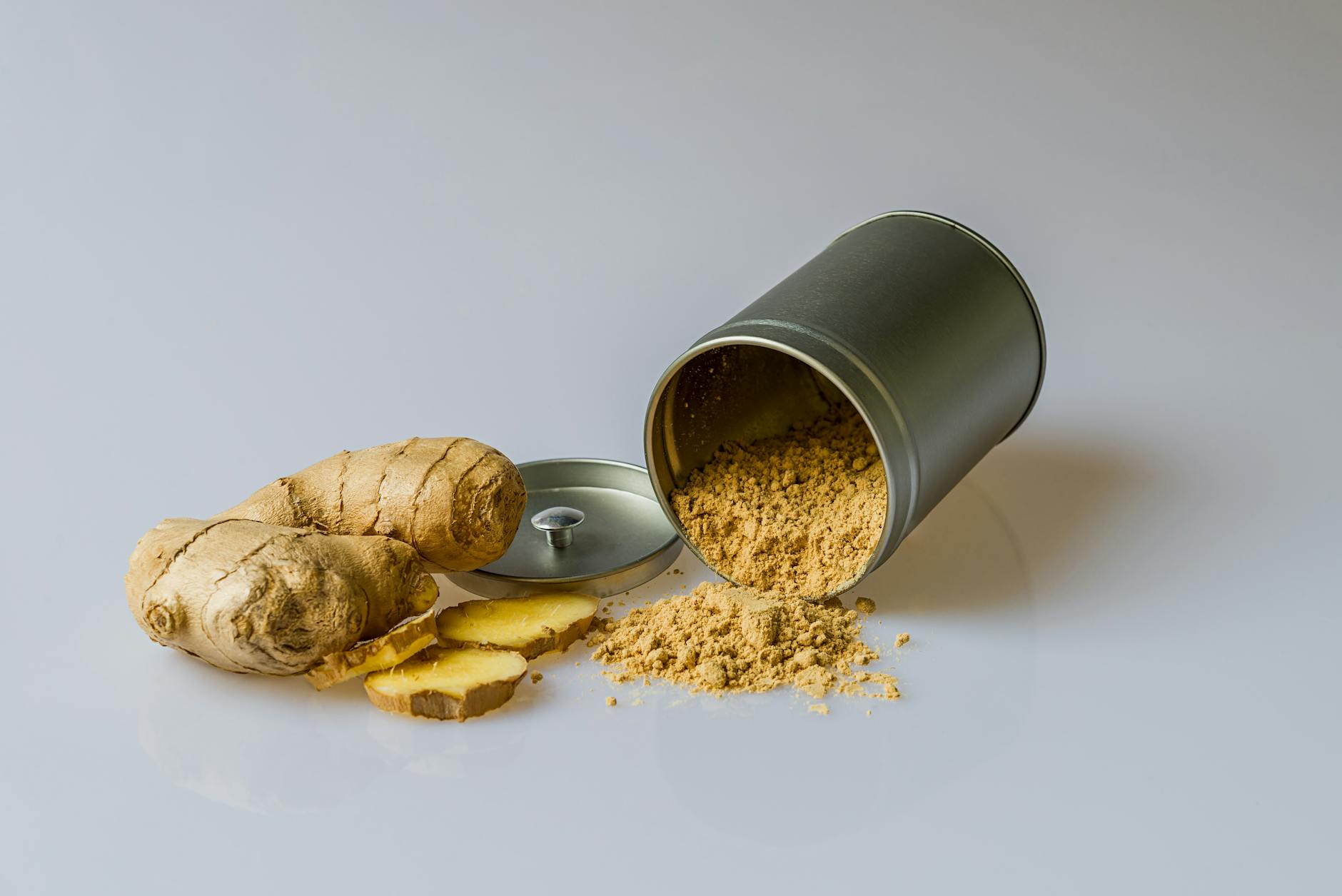
Ginger is one of the most widely consumed spices on the planet, used in kitchens and medicine cabinets across nearly every culture. The benefits of ginger extend far beyond its warm, zesty flavor — modern research continues to uncover how this humble root may support everything from digestion to brain health. Here is what the science actually says.
1. May Ease Nausea and Vomiting
Ginger is perhaps best known for its ability to calm an upset stomach. Research suggests it may be especially helpful for pregnancy-related morning sickness and chemotherapy-induced nausea. A systematic review published in the NIH confirms consistent evidence for ginger’s effectiveness in reducing nausea and vomiting, including enhanced quality of life in chemotherapy patients. Compounds called gingerols and shogaols appear to speed up gastric emptying, which helps settle the stomach faster. If you deal with occasional queasiness, sipping ginger tea or chewing a small piece of crystallized ginger may offer quick, natural relief. Always check with your doctor before using ginger supplements during pregnancy or cancer treatment.
2. Reduces Chronic Inflammation
Chronic inflammation plays a role in heart disease, diabetes, and many autoimmune conditions. Ginger contains dozens of bioactive compounds that may help dampen inflammatory pathways in the body. According to research published in the NIH/PMC, ginger possesses multiple anti-inflammatory capacities with demonstrated benefits for cardiovascular disease and arthritis. These effects come primarily from gingerols, which inhibit pro-inflammatory enzymes similar to the way some over-the-counter medications work. Adding fresh ginger to stir-fries, soups, or smoothies is a simple way to incorporate its anti-inflammatory potential into your daily diet.
3. Supports Healthy Blood Sugar Levels
Managing blood sugar is a growing concern for millions of people worldwide. Clinical evidence shows that ginger supplementation may improve fasting blood glucose and long-term blood sugar markers. A meta-analysis in the NIH/PMC demonstrated that ginger significantly reduces inflammatory markers and improves blood glucose control and insulin resistance in people with type 2 diabetes. Researchers believe ginger may enhance insulin sensitivity and promote glucose uptake by muscle cells. If you are monitoring your blood sugar, talk to your healthcare provider about whether ginger could complement your current plan.
4. Provides Powerful Antioxidant Protection
Oxidative stress accelerates aging and contributes to chronic disease development. Ginger is packed with antioxidants that help neutralize harmful free radicals in the body. Studies indicate that ginger supplementation enhances antioxidant enzyme activity and reduces oxidative stress markers, according to evidence compiled by the NIH Bookshelf. This protective effect may extend to organs like the kidneys and liver, which are especially vulnerable to oxidative damage. Eating ginger regularly — whether fresh, dried, or powdered — is a tasty way to boost your body’s natural defense systems against cellular damage.
5. May Relieve Muscle and Joint Pain
Anyone who exercises regularly or lives with arthritis knows how debilitating pain can be. Research suggests that ginger may reduce muscle soreness after intense physical activity by roughly 25 percent when consumed consistently. Its anti-inflammatory properties appear to target the same pain pathways as traditional nonsteroidal anti-inflammatory drugs. Some studies also point to improvements in osteoarthritis-related knee pain with daily ginger supplementation. For a practical approach, try consuming one to two grams of ginger daily through food or supplements. Consistency seems to matter more than dosage size when it comes to pain relief.
6. Supports Digestive Health
Slow digestion can lead to uncomfortable bloating, gas, and stomach pain. Ginger appears to stimulate gastric motility, helping food move through the digestive tract more efficiently. Research suggests it may reduce the time food sits in the stomach by as much as several minutes per meal. This accelerated emptying can be particularly helpful for people with functional dyspepsia, a condition marked by chronic indigestion with no clear cause. Drinking a cup of ginger tea about 20 minutes before a meal is a time-tested strategy that many people find genuinely soothing for their digestion.
7. May Improve Heart Health Markers
Heart disease remains the leading cause of death globally, making prevention a top priority. Studies indicate that ginger may help lower LDL cholesterol, triglycerides, and blood pressure — three major cardiovascular risk factors. Its antiplatelet properties could also help prevent dangerous blood clots from forming. Some researchers believe these heart-protective effects stem from ginger’s ability to reduce oxidative stress within arterial walls. While ginger is not a substitute for heart medication, incorporating it into a balanced, whole-food diet may offer an added layer of cardiovascular support over time.
8. May Enhance Cognitive Function
Brain health is a concern that grows more urgent with each passing decade of life. Emerging research suggests ginger may support cognitive function by reducing brain inflammation and oxidative damage. Animal studies have shown improvements in memory and reaction time after consistent ginger supplementation. Early human research in people with type 2 diabetes has also pointed to better working memory and attention. The bioactive compounds in ginger appear to cross the blood-brain barrier, giving them direct access to neural tissue. While more large-scale human trials are needed, the early findings are genuinely encouraging for brain health.
9. May Help Manage Body Weight
Maintaining a healthy weight involves many factors, and ginger may play a small but meaningful supporting role. Clinical evidence shows ginger supplementation may help reduce body weight, waist-to-hip ratio, and certain metabolic syndrome markers. Researchers believe ginger increases thermogenesis — the process of burning calories to produce heat — while also reducing feelings of hunger. One study found that participants who drank a hot ginger beverage after breakfast reported greater satiety throughout the morning. Ginger works best as part of a comprehensive approach that includes balanced nutrition and regular physical activity rather than a standalone weight loss strategy.
10. May Strengthen Immune Defense
A robust immune system is your body’s first line of defense against infections. Ginger has demonstrated antimicrobial properties against several strains of bacteria and viruses in laboratory settings. Its ability to reduce inflammation and oxidative stress also supports overall immune readiness. Fresh ginger contains high concentrations of gingerol, which appears to inhibit the growth of certain pathogens. Many traditional wellness practices recommend ginger broth or tea at the first sign of a cold, and modern science is beginning to understand why. Keeping fresh ginger on hand during cold and flu season is a practical, low-risk habit worth adopting.
Ginger is a versatile, affordable root with a growing body of research supporting its potential health benefits. From calming nausea to fighting inflammation and supporting blood sugar balance, the science behind this ancient remedy is increasingly compelling. Consider adding a thumb-sized piece of fresh ginger to your next meal or morning tea and see how your body responds.
Medical Disclaimer: This article is for informational purposes only and does not constitute medical advice. Always consult a qualified healthcare professional before making health decisions.




