A broken clavicle, also known as a clavicle fracture, is one of the most common bone injuries seen in emergency rooms. Whether it happens during a sports collision, a bicycle crash, or a simple fall, understanding how these fractures work can help you navigate treatment and recovery with confidence. Here is what the evidence says about this surprisingly frequent injury.
1. It Is One of the Most Common Fractures
The clavicle, or collarbone, sits right between your shoulder and breastbone. Its exposed position makes it especially vulnerable to direct impact. According to the NIH, clavicle fractures account for up to 10% of all fractures and rank as the most common fracture in childhood. This means a broken clavicle is something nearly every family may encounter at some point. If you or your child experiences a fall onto an outstretched arm or a blow to the shoulder, consider a clavicle injury and seek prompt medical evaluation.
2. The Middle Third Breaks Most Often
Not all clavicle fractures are the same. Research suggests that roughly 70 to 80 percent of breaks occur in the midshaft, which is the thinnest and most curved portion of the bone. This area has less muscular protection than the ends. Fractures near the outer end, close to the shoulder, and the inner end, near the breastbone, are less common but can involve different complications. Knowing the fracture location helps your doctor determine the best treatment approach, so always ask about the specific site of your break.
3. Falls and Sports Are the Leading Causes
A broken clavicle most frequently results from a fall onto the shoulder or an outstretched hand. Contact sports like football, hockey, and rugby carry a higher risk. Cycling accidents are another major contributor, especially at higher speeds. Newborns can also sustain clavicle fractures during difficult deliveries. Wearing proper protective gear during sports and using caution on bikes can help reduce your risk of this painful injury.
4. Symptoms Are Usually Hard to Miss
Most people know something is wrong immediately after a broken clavicle occurs. Sharp pain at the front of the shoulder, swelling, and visible bruising are hallmark signs. You may notice a bump or deformity along the collarbone where the bone has shifted. Moving the arm on the affected side typically makes the pain worse. Some people also hear or feel a grinding sensation. If you experience any of these symptoms after a fall or impact, immobilize your arm against your body and get to a doctor as soon as possible.
5. Diagnosis Typically Requires an X-Ray
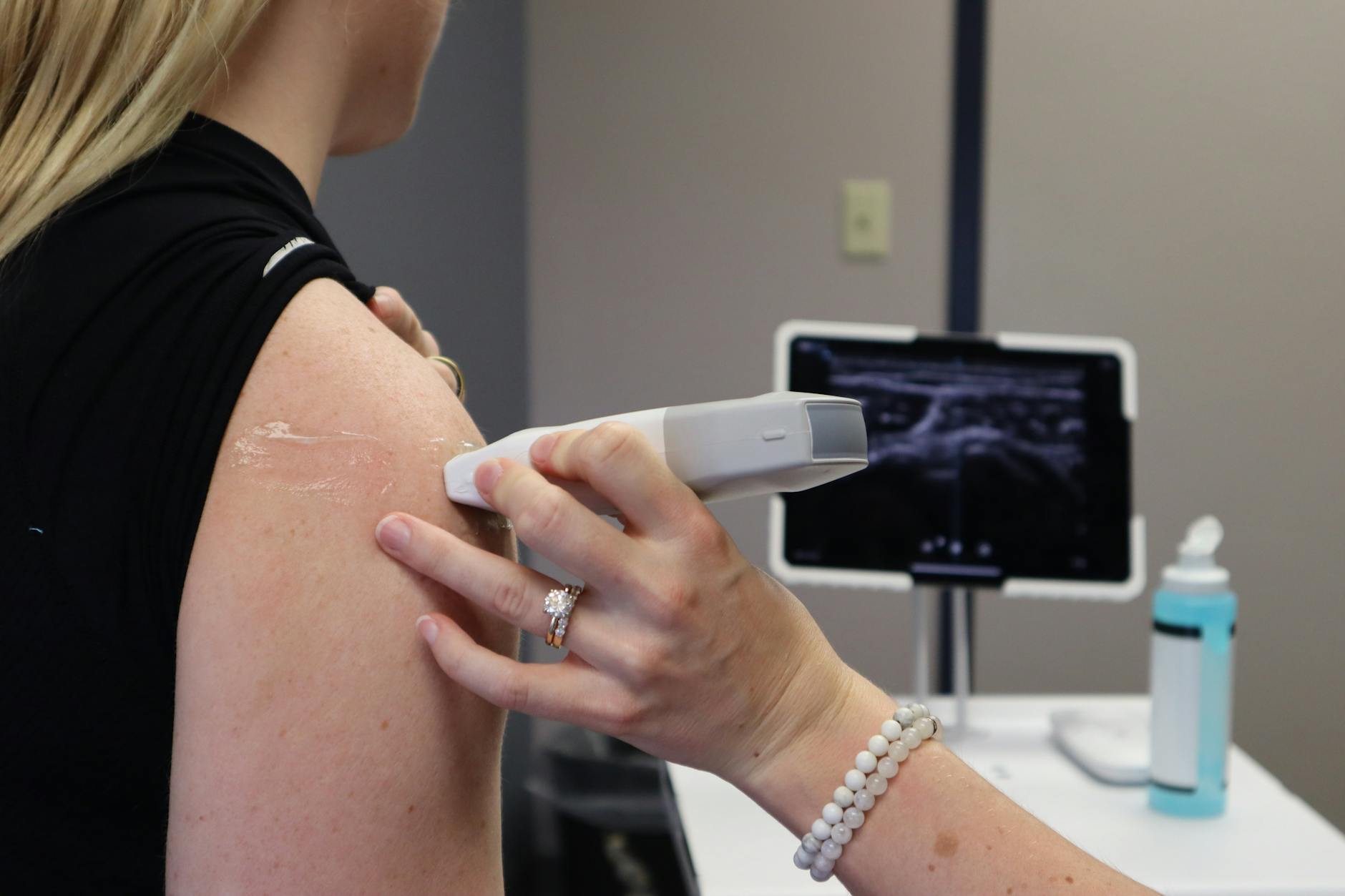
While a physical examination can strongly suggest a clavicle fracture, an X-ray is the standard tool for confirmation. The imaging reveals the exact location, pattern, and degree of displacement. In some complex cases, your doctor might order a CT scan for a more detailed view. This is especially true for fractures near the sternum or those involving multiple fragments. Getting an accurate diagnosis early ensures you receive the right treatment plan from the start.
6. Many Broken Clavicles Heal Without Surgery
The good news is that many clavicle fractures respond well to nonsurgical treatment. A sling to immobilize the arm, pain management, and gradual rehabilitation are often all that is needed. Clinical evidence shows that conservative treatment of midshaft clavicle fractures yields excellent long-term outcomes, with high functional scores in most patients. Ice packs, over-the-counter pain relievers, and rest during the first few weeks can make a significant difference. Talk to your doctor about a personalized recovery timeline based on your specific fracture.
7. Surgery May Be Needed for Severe Breaks
Not every broken clavicle can heal on its own. When the bone fragments are significantly displaced or shortened, surgical intervention becomes more likely. Studies indicate that there has been a shift toward surgery for displaced midshaft fractures due to higher nonunion rates seen with conservative management alone. Surgery usually involves plates and screws to hold the bone in proper alignment. If your fracture involves skin tenting, nerve compression, or multiple fragments, ask your orthopedic surgeon whether operative repair is the better option for you.
8. Recovery Time Varies by Age and Severity
Children often heal from a broken clavicle in as little as three to six weeks, thanks to their rapidly growing bones. Adults typically need six to twelve weeks for adequate healing. Factors like fracture severity, smoking status, and overall health can influence the timeline. During recovery, your doctor will likely recommend gentle range-of-motion exercises once the acute pain subsides. Avoid heavy lifting and overhead activities until you receive medical clearance to prevent re-injury or delayed healing.
9. Young Athletes Often Recover Fully Without Surgery
Parents of young athletes may worry that a broken clavicle could sideline their child permanently. However, research offers encouraging results. A recent study found that nonoperative treatment achieves comparably excellent outcomes to surgery in older adolescent athletes, even with comminuted or severely shortened fractures. At two years, there were no significant differences in complications or patient-reported outcomes. Working closely with a sports medicine specialist can help young athletes return to play safely and at the right pace.
10. Physical Therapy Plays a Key Role in Full Recovery
Healing the bone is only part of the process after a broken clavicle. Regaining full shoulder strength, flexibility, and function requires targeted physical therapy. A therapist will guide you through exercises that restore range of motion without stressing the healing bone. Pendulum swings, wall climbs, and gentle stretching are common early exercises. As healing progresses, strengthening exercises for the rotator cuff and shoulder blade muscles are added. Starting physical therapy at the right time, with your doctor’s approval, is one of the most important steps toward a complete recovery.
A broken clavicle can be painful and disruptive, but most people recover fully with the right care and patience. Whether your treatment involves a simple sling or surgical repair, staying informed and following your doctor’s rehabilitation plan will give you the best chance at regaining full shoulder function.
Medical Disclaimer: This article is for informational purposes only and does not constitute medical advice. Always consult a qualified healthcare professional before making health decisions.




