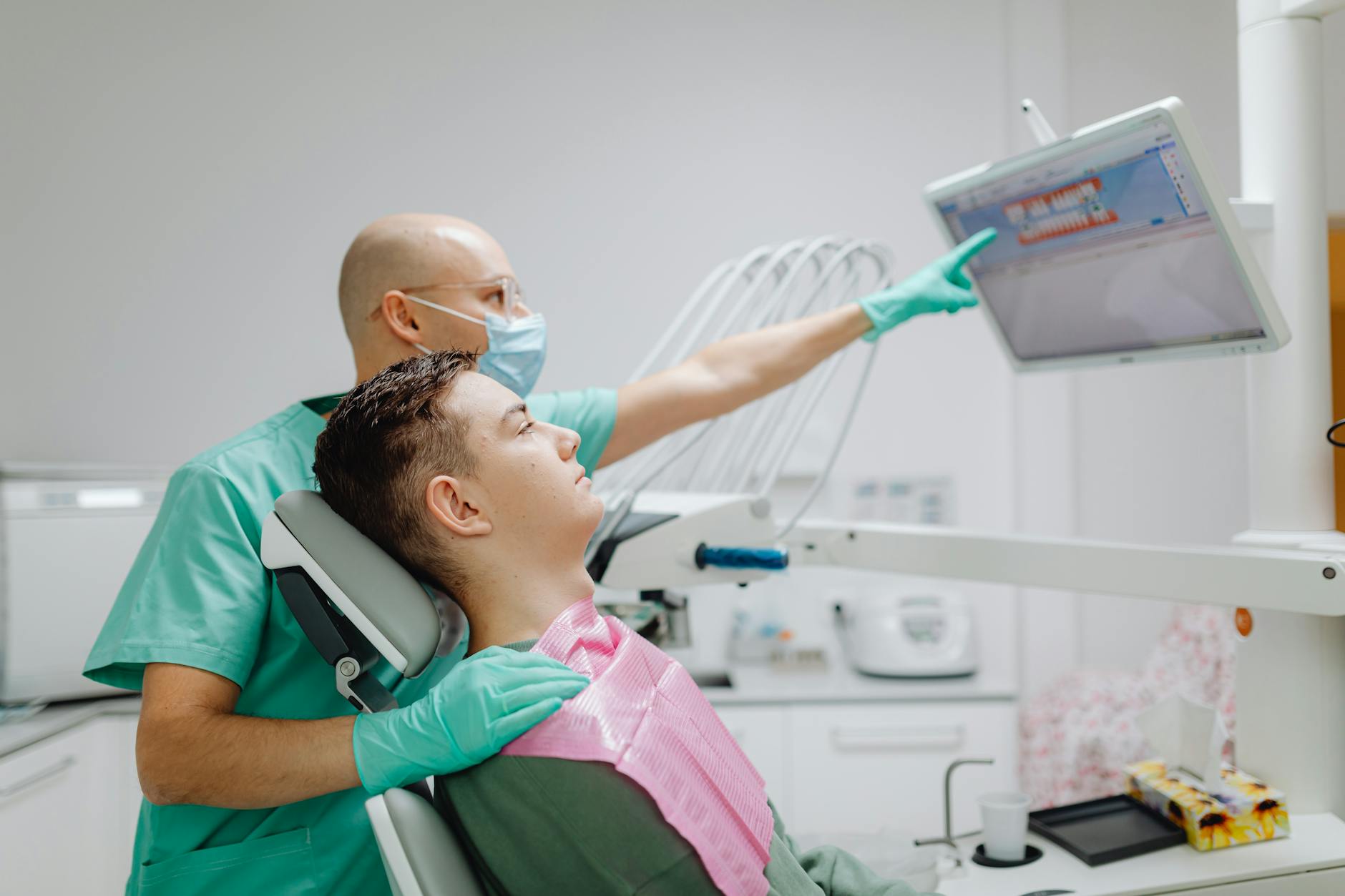
Canker sores affect roughly 20 percent of the population at some point, making them one of the most common oral complaints. These small, painful ulcers on the inner cheeks, gums, or tongue can turn simple activities like eating and talking into daily struggles. The good news is that several canker sore treatment options — from simple rinses to professional therapies — may help you heal faster and hurt less.
1. Saltwater Rinse
A warm saltwater rinse is one of the simplest and most accessible canker sore treatments available. Salt helps draw fluid from the ulcer through osmosis, which may reduce swelling and promote tissue healing. It also creates a temporarily inhospitable environment for bacteria that could worsen the sore. Mix about half a teaspoon of salt into a cup of warm water and swish gently for 30 seconds. Repeat this three to four times a day, especially after meals, to help keep the area clean and encourage faster recovery. Most people notice some pain relief within a day or two of consistent use.
2. Hyaluronic Acid Gels and Rinses
Hyaluronic acid is a naturally occurring substance in the body that plays a key role in tissue repair. When applied to canker sores, it forms a protective film over the ulcer that shields nerve endings and supports healing. Research published in clinical trials shows promising results — a study found that hyaluronic acid-based gel and rinse significantly promoted lesion closure, with up to 81 percent improvement by day seven. Look for over-the-counter oral gels containing hyaluronic acid and apply them directly to the sore after meals and before bed for the best results.
3. Over-the-Counter Topical Benzocaine
Benzocaine is a local anesthetic found in many popular oral pain relief products. It temporarily numbs the nerve endings around the canker sore, offering quick relief from stinging and burning. Products like Orajel and Anbesol are widely available at most pharmacies. Apply a small amount directly to the sore using a clean fingertip or cotton swab. The numbing effect usually kicks in within a minute or two, though it typically wears off after 30 to 60 minutes. Avoid using benzocaine products more than four times daily unless directed by your dentist or doctor.
4. Low-Level Laser Therapy
Low-level laser therapy is a professional canker sore treatment gaining traction in dental offices. The procedure uses a focused beam of low-intensity light to stimulate cell regeneration and reduce inflammation. Clinical evidence supports its effectiveness — research indicates that low-level laser therapy significantly reduced healing time to just five days and relieved pain compared to sham treatment. The procedure is painless and takes only a few minutes per session. If you get frequent or severe canker sores, ask your dentist whether laser therapy might be a good option for your situation.
5. Honey Application
Honey has been used as a wound-healing agent for centuries, and modern research suggests it may benefit canker sores too. Its natural antibacterial and anti-inflammatory properties help protect the ulcer from infection while soothing irritated tissue. Studies on raw honey applied to aphthous ulcers have shown reductions in both pain and healing time. Simply dab a small amount of unpasteurized honey onto the sore several times a day. Let it sit without eating or drinking for at least a few minutes so it can coat the area. Manuka honey, in particular, is often recommended for its higher concentration of beneficial compounds.
6. Mucoadhesive Tablets and Patches
Mucoadhesive tablets are designed to stick to the moist tissue inside your mouth and slowly release active ingredients directly onto the sore. This targeted delivery system keeps medication in contact with the ulcer for longer periods. One clinical trial involving 248 volunteers found that mucoadhesive tablets releasing citrus oil and magnesium significantly reduced pain and healing time compared to plain tablets. These patches also create a physical barrier that protects the sore from food, drinks, and further irritation. Check your pharmacy for oral adhesive patches — they are especially helpful for sores in high-friction areas like the inner lip.
7. Milk of Magnesia
Milk of magnesia is more commonly known as a stomach remedy, but it doubles as a surprisingly effective canker sore treatment. Its alkaline properties help neutralize the acidic environment around the ulcer, which may reduce irritation and discomfort. It also coats the sore and creates a thin protective layer over the exposed tissue. Using a cotton swab, dab a small amount of milk of magnesia directly onto the canker sore three to four times daily. Some people combine it with a dab of liquid diphenhydramine for additional pain relief. This affordable remedy is easy to find at any drugstore and gentle enough for frequent use.
8. Vitamin B12 Supplementation
Research suggests that vitamin B12 deficiency may be linked to recurrent canker sores in some individuals. Studies have found that people with frequent aphthous ulcers sometimes have lower B12 levels than those who rarely experience them. Supplementing with B12 — even in people without a measurable deficiency — has shown promise in reducing the frequency, duration, and pain of outbreaks. A daily sublingual B12 supplement of 1,000 micrograms is a common dosage studied in clinical trials. Talk to your healthcare provider about checking your B12 levels if you deal with persistent canker sores, as addressing this nutritional gap could be a straightforward preventive strategy.
9. Prescription Corticosteroid Rinses
When canker sores are large, frequent, or extremely painful, a healthcare provider may prescribe a corticosteroid mouth rinse. Dexamethasone elixir is one of the most commonly prescribed options. It works by suppressing the localized immune response that drives inflammation and tissue damage in the ulcer. Prescription-strength corticosteroid rinses tend to be more effective than over-the-counter remedies for severe or recurrent cases. Your doctor will typically recommend swishing the rinse for a set time and then spitting it out. These rinses are not intended for long-term daily use, so follow your provider’s instructions carefully to avoid potential side effects like oral thrush.
10. Dietary Trigger Avoidance
Sometimes the most effective canker sore treatment is prevention. Many people find that certain foods consistently trigger outbreaks. Common culprits include citrus fruits, tomatoes, spicy dishes, chocolate, and crunchy foods like chips that physically irritate oral tissue. Keeping a simple food diary can help you identify your personal triggers over time. Once you recognize a pattern, reducing or eliminating those foods may significantly lower your outbreak frequency. Additionally, using a sodium lauryl sulfate-free toothpaste has been associated with fewer canker sores in some individuals, as this foaming agent can irritate the delicate lining of the mouth.
Finding the right canker sore treatment often comes down to the severity and frequency of your outbreaks. For occasional mild sores, simple home remedies like saltwater rinses and honey may be enough, while persistent or severe cases might benefit from professional therapies or prescription options. Start with one or two of these approaches, track your results, and bring any concerns to your dentist or doctor at your next visit.
Medical Disclaimer: This article is for informational purposes only and does not constitute medical advice. Always consult a qualified healthcare professional before making health decisions.




