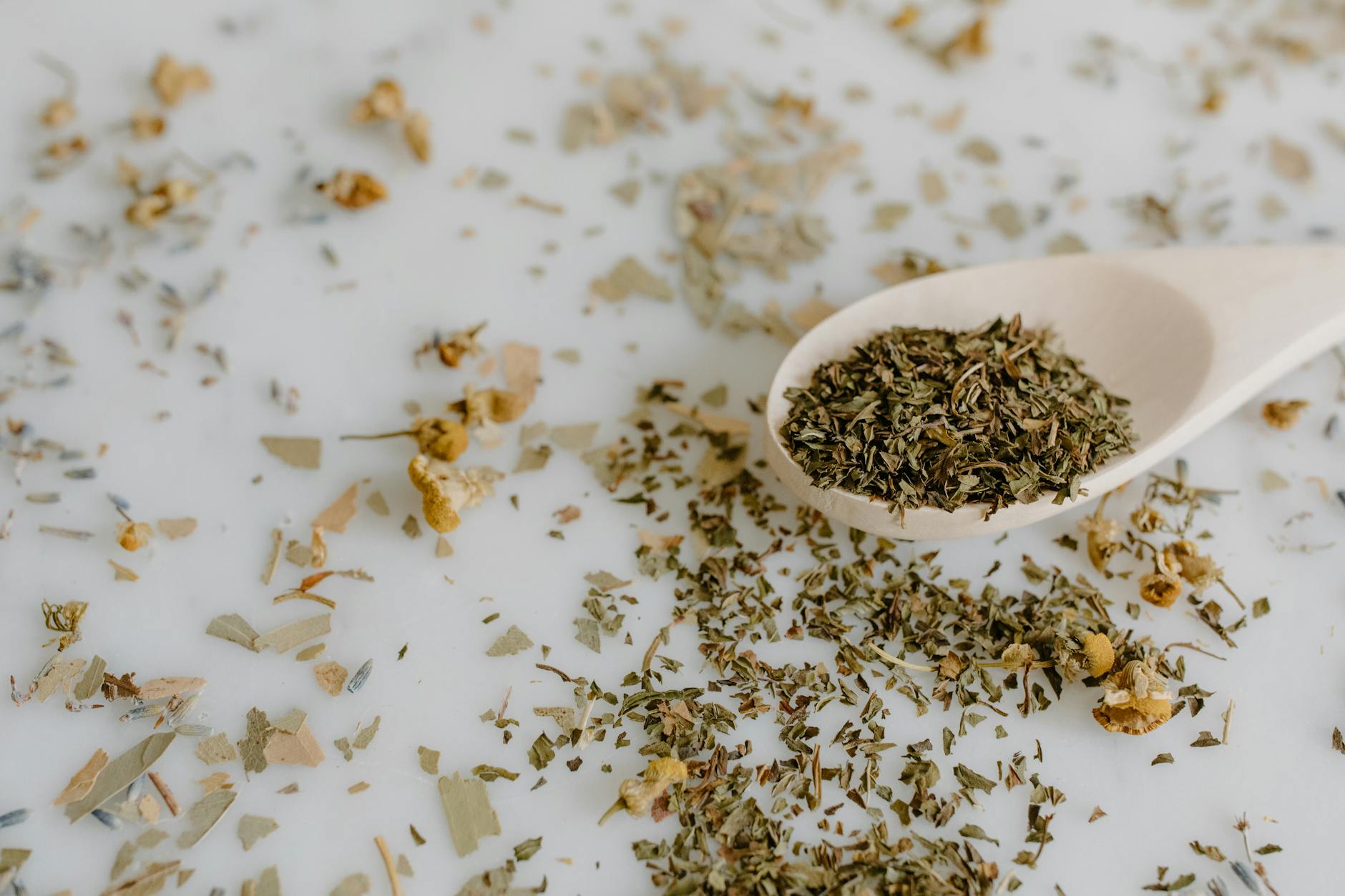
Chamomile tea is one of the most widely consumed herbal teas in the world, enjoyed by millions of people seeking a calming, caffeine-free drink. Beyond its pleasant taste and soothing aroma, a growing body of research suggests this humble flower may offer real health advantages. Here’s a look at ten chamomile tea benefits that science actually supports.
1. May Promote Better Sleep
If you struggle to wind down at night, a warm cup of chamomile tea might help. Chamomile contains a flavonoid called apigenin, which binds to specific receptors in the brain that may promote relaxation and drowsiness. Research suggests that chamomile acts as a mild tranquillizer and sleep-inducer largely because of this compound. While it won’t knock you out like a prescription sleep aid, drinking a cup about thirty minutes before bed could help ease you into a more restful night. It’s a gentle, low-risk option worth trying if sleep doesn’t come easily.
2. Supports Anxiety and Stress Relief
Feeling frazzled after a long day is something most people can relate to. Clinical evidence shows that chamomile may have meaningful anxiolytic, or anxiety-reducing, effects. Studies in animal models have demonstrated that chamomile exhibits significant calming properties that go beyond simple relaxation. Some human trials have also explored chamomile extract for generalized anxiety disorder with promising early results. Adding chamomile tea to your evening routine could serve as a simple, natural way to take the edge off daily stress.
3. Contains Powerful Antioxidants
Chamomile tea is rich in antioxidants, including flavonoids, terpenoids, and other polyphenols. These compounds help neutralize free radicals, which are unstable molecules that can damage cells over time. Research indicates that chamomile exhibits moderate antioxidant activity along with antimicrobial properties. Regularly consuming antioxidant-rich foods and beverages is linked to lower risks of chronic disease. A daily cup or two of chamomile tea is an easy way to add more of these protective compounds to your diet.
4. May Help Manage Blood Sugar Levels
For people managing type 2 diabetes, chamomile tea may offer a surprising benefit. One clinical trial found that chamomile tea significantly decreased HbA1C levels, serum insulin, and insulin resistance in patients with type 2 diabetes compared to a control group. The same study noted improvements in total cholesterol, triglycerides, and LDL cholesterol. These findings suggest chamomile could serve as a helpful complementary addition alongside standard diabetes management. Of course, it should never replace prescribed medications without a doctor’s guidance.
5. Offers Anti-Inflammatory Properties
Chronic inflammation plays a role in many health conditions, from heart disease to arthritis. Chamomile has long been valued in traditional medicine for its soothing properties, and modern science backs this up. Studies indicate that chamomile demonstrates potent anti-inflammatory action, which may help calm irritated tissues both internally and externally. The flavonoids in chamomile appear to inhibit certain inflammatory enzymes in the body. Drinking chamomile tea regularly may contribute to an overall anti-inflammatory lifestyle when paired with a balanced diet.
6. Supports Digestive Comfort
An upset stomach is one of the oldest reasons people reach for chamomile tea. Its antispasmodic properties may help relax the smooth muscles of the digestive tract, reducing cramping and bloating. Research suggests chamomile can help soothe the lining of the gastrointestinal system, which is why it has been used for centuries to address indigestion and nausea. Some herbalists recommend sipping chamomile tea after meals for optimal digestive support. It’s a gentle remedy that tends to agree with most people’s stomachs.
7. May Reduce Oral Inflammation and Mucositis
Mouth sores and oral inflammation can be debilitating, especially for people undergoing cancer treatment. A meta-analysis of eleven randomized controlled trials found that chamomile significantly reduces mucositis severity, pain, and mucosal inflammation. This suggests chamomile mouth rinses or teas may serve as a supportive therapy during chemotherapy or radiation. The anti-inflammatory and antimicrobial compounds in chamomile likely contribute to this protective effect. If you’re undergoing treatment that affects your mouth, ask your oncologist whether chamomile could be a helpful addition.
8. May Boost Immune Function
Your immune system is your body’s first line of defense, and chamomile tea may give it a gentle boost. Research has shown that drinking chamomile tea increases urinary levels of hippurate, a compound associated with increased antibacterial activity. It also raises levels of glycine, an amino acid known to help relax muscles and calm nerves. These biochemical changes suggest chamomile supports the body’s natural defense mechanisms in subtle but meaningful ways. Enjoying chamomile tea during cold and flu season could be a smart, comforting habit to adopt.
9. Supports Heart Health
Heart disease remains the leading cause of death worldwide, so any dietary habit that supports cardiovascular wellness deserves attention. Clinical evidence shows chamomile tea may help improve cholesterol profiles by lowering total cholesterol, triglycerides, and LDL levels. Its anti-inflammatory and antioxidant properties also play a role in protecting blood vessels from damage. Additionally, chamomile has demonstrated significant antiplatelet activity, which means it may help prevent dangerous blood clots. Combined with a heart-healthy diet and regular exercise, chamomile tea could be a worthwhile addition to your routine.
10. Promotes Skin Health
Chamomile isn’t just beneficial when you drink it. Its anti-inflammatory and antimicrobial properties make it a popular ingredient in skincare products as well. Applying cooled chamomile tea topically or using chamomile-infused creams may help soothe minor skin irritations, rashes, and mild eczema. The antioxidants in chamomile also support skin repair and may slow some signs of aging. For an easy at-home treatment, try placing cooled chamomile tea bags on puffy or tired eyes for a few minutes of gentle relief.
Chamomile tea is far more than a comforting bedtime drink. From supporting sleep and reducing anxiety to helping manage blood sugar and fighting inflammation, the research behind this ancient herbal remedy is genuinely encouraging. Consider brewing a cup each evening as a simple, enjoyable step toward better overall wellness.
Medical Disclaimer: This article is for informational purposes only and does not constitute medical advice. Always consult a qualified healthcare professional before making health decisions.




