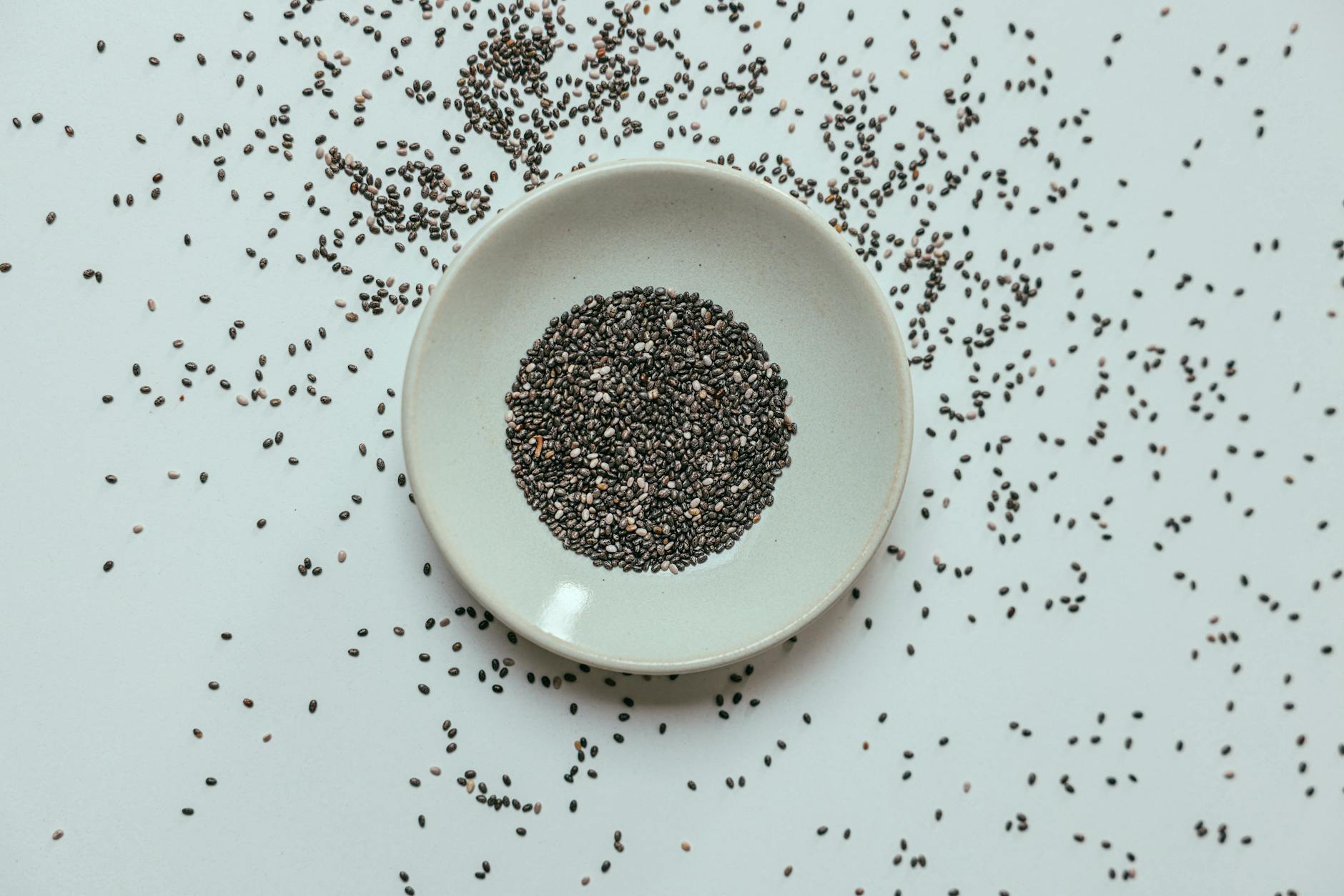
Chia seeds have quietly become one of the most popular superfoods on grocery shelves, and for good reason. These tiny black and white seeds pack an impressive nutritional punch that research continues to validate. Whether you sprinkle them on yogurt or blend them into smoothies, understanding their health potential can help you make smarter dietary choices.
1. Rich Source of Omega-3 Fatty Acids
Chia seeds are one of the richest plant-based sources of alpha-linolenic acid, a type of omega-3 fatty acid. Omega-3s play a critical role in brain function and heart health. Unlike fish oil, chia seeds offer a vegan-friendly way to boost your omega-3 intake. Research suggests that these fatty acids may help reduce chronic inflammation throughout the body. According to PubMed, chia seeds provide healthy omega-3 fatty acids along with proteins, vitamins, and minerals that support overall wellness. Try adding two tablespoons to your morning oatmeal for a simple omega-3 boost.
2. Supports Heart Health
Heart disease remains the leading cause of death worldwide, so preventive nutrition matters. Clinical evidence shows that chia seeds may help improve several cardiovascular risk factors at once. A meta-analysis published on PubMed found that chia supplementation significantly reduces total cholesterol, LDL cholesterol, and triglycerides. The combination of fiber, omega-3s, and antioxidants in chia seeds works together to support a healthier heart. Consider pairing chia seeds with other heart-friendly foods like nuts and leafy greens for maximum benefit.
3. May Help Lower Blood Pressure
High blood pressure affects nearly half of all adults, often without noticeable symptoms. Studies indicate that regular chia seed consumption may help bring those numbers down. The same clinical meta-analysis found significant reductions in both systolic and diastolic blood pressure among participants who consumed chia regularly. Minerals like magnesium and potassium found in chia seeds also contribute to healthy blood vessel function. If you are managing blood pressure, talk to your doctor about incorporating chia seeds alongside your current plan.
4. Loaded with Dietary Fiber
A single ounce of chia seeds contains roughly 10 grams of dietary fiber. That is nearly a third of the recommended daily intake for most adults. This high fiber content supports digestive regularity and helps feed beneficial gut bacteria. Fiber also slows down digestion, which keeps you feeling full longer after meals. For a fiber-rich snack, mix chia seeds into a glass of water or juice and let them gel for a few minutes before drinking.
5. Helps Manage Blood Sugar Levels
Stable blood sugar is essential for sustained energy and long-term metabolic health. Research suggests that the gel-forming fiber in chia seeds may slow the absorption of sugar into the bloodstream. According to PubMed, chia seeds have been shown to reduce blood glucose levels, which may aid in diabetes management. This makes them a smart addition for anyone looking to avoid energy crashes after meals. Pairing chia seeds with a balanced meal of protein and healthy fats can further stabilize blood sugar response.
6. Packed with Antioxidants
Antioxidants help protect your cells from damage caused by free radicals. Chia seeds contain several powerful antioxidants, including chlorogenic acid, caffeic acid, and quercetin. These compounds may help reduce oxidative stress linked to aging and chronic disease. Studies indicate that chia seeds exhibit notable antioxidant effects that go beyond basic nutrition. Rather than relying on supplements, whole food sources like chia seeds deliver antioxidants alongside other beneficial nutrients your body can use more efficiently.
7. Provides Plant-Based Protein
Getting enough protein on a plant-based diet can be tricky, but chia seeds make it easier. They contain about 4.7 grams of protein per ounce, including all nine essential amino acids. This makes them a complete protein source, which is uncommon among plant foods. Protein is vital for muscle repair, immune function, and enzyme production. Adding chia seeds to smoothies, salads, or homemade energy bars is an easy way to increase your daily protein intake without relying on animal products.
8. Supports Bone Health
Strong bones require more than just calcium, though chia seeds deliver plenty of that too. One ounce provides roughly 18 percent of the recommended daily calcium intake. Chia seeds also supply phosphorus, magnesium, and protein, all of which play a role in bone density. Research suggests that these minerals work synergistically to support skeletal health over time. For people who avoid dairy, chia seeds offer a reliable alternative mineral source. Stir them into plant-based milk for a bone-supporting combination.
9. May Reduce Inflammation
Chronic inflammation is a silent driver behind many serious health conditions. The omega-3 fatty acids and antioxidants in chia seeds may help calm inflammatory pathways in the body. According to PubMed, chia seeds exhibit hypotensive, antioxidant, and antimicrobial effects thanks to their rich nutritional profile. The clinical meta-analysis also noted reductions in C-reactive protein, a key marker of systemic inflammation. Eating chia seeds consistently as part of an anti-inflammatory diet may amplify these effects over weeks and months.
10. Easy to Add to Almost Any Meal
One of the most practical chia seed benefits is their incredible versatility. They have a mild, almost neutral flavor that blends into both sweet and savory dishes. You can make chia pudding by soaking them in milk overnight. You can also sprinkle them on salads, stir them into soups, or use them as an egg substitute in baking. Because they absorb liquid and form a gel, they work as a natural thickener for smoothies and sauces. This ease of use means you are more likely to stick with the habit long term.
Chia seeds offer a remarkable range of potential health benefits packed into a tiny, affordable package. From supporting your heart and bones to steadying your blood sugar, the research behind these seeds continues to grow. Start with just one or two tablespoons a day and experiment with different recipes to find what works best for you.
Medical Disclaimer: This article is for informational purposes only and does not constitute medical advice. Always consult a qualified healthcare professional before making health decisions.




