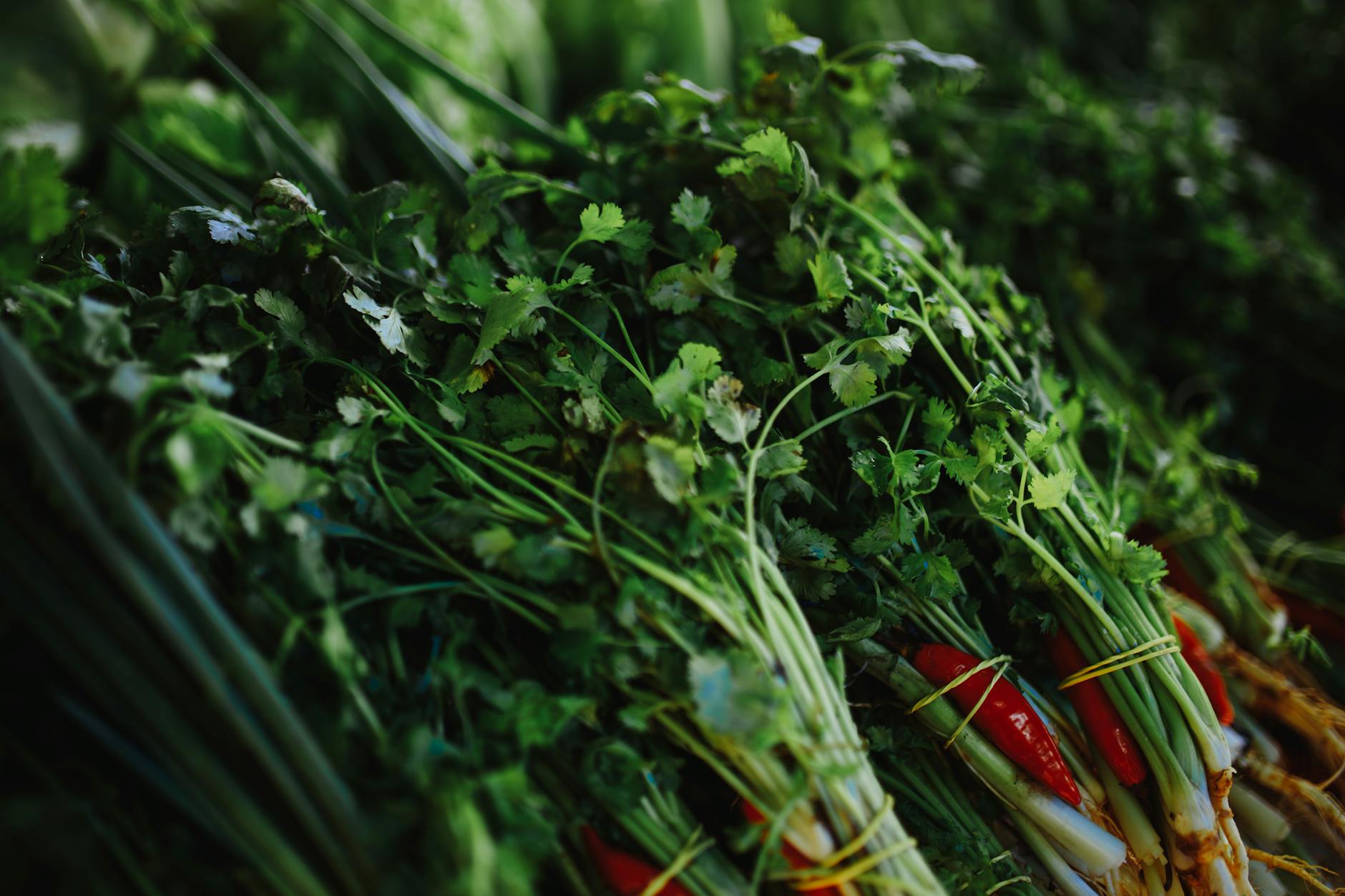
Cilantro is one of the most widely used herbs across global cuisines, from Mexican salsas to Indian curries and Southeast Asian soups. Beyond its bold, citrusy flavor, emerging research suggests this leafy green may offer a surprisingly wide range of health perks. Here are ten cilantro benefits worth knowing about the next time you toss a handful into your meal.
1. Rich in Protective Antioxidants
Cilantro is packed with natural antioxidants, including quercetin, kaempferol, and tocopherols. These compounds help neutralize free radicals, which are unstable molecules that damage cells over time. Oxidative stress from free radicals has been linked to chronic conditions like heart disease and certain cancers. Research indicates that coriander polyphenols work through antioxidant and anti-inflammatory mechanisms to protect cells and support metabolic health. Adding fresh cilantro to salads, smoothies, or grain bowls is one of the simplest ways to boost your daily antioxidant intake without any extra effort.
2. May Help Lower Blood Pressure
High blood pressure affects nearly half of all adults in the United States, often without noticeable symptoms. Studies suggest that cilantro may play a supporting role in cardiovascular health. One study found that long-term coriander consumption effectively reduced blood pressure elevation and improved vascular function through changes in gut microbiota composition. While cilantro alone is not a substitute for medication, incorporating it regularly into a balanced diet may complement other heart-healthy habits like exercise and stress management.
3. Supports Healthy Blood Sugar Levels
Managing blood sugar is a daily concern for millions of people living with diabetes or prediabetes. Animal studies suggest that compounds in cilantro may help improve insulin sensitivity and reduce hyperglycemia. Research shows that coriander polyphenols may help control blood sugar spikes by influencing how the body processes glucose. If you are looking for a simple dietary addition, try sprinkling fresh cilantro over roasted vegetables or stirring it into soups right before serving to preserve its active compounds.
4. Possesses Natural Anti-Inflammatory Properties
Chronic inflammation is a root driver of many modern health problems, from arthritis to metabolic syndrome. Cilantro contains bioactive compounds like linalool and geranyl acetate that research links to anti-inflammatory effects. A study on cilantro essential oil demonstrated outstanding anti-inflammatory effects alongside antimicrobial activity against multiple pathogens. While eating fresh cilantro is not the same as using concentrated oil, the herb still delivers meaningful amounts of these protective compounds in everyday dishes.
5. May Support Brain Health and Memory
Cognitive decline is a growing concern as populations age around the world. Interestingly, cilantro may offer some neuroprotective benefits worth noting. Animal research found that cilantro leaves improved memory scores, reversed memory deficits, and reduced brain inflammation markers in study subjects. While human trials are still needed, these early findings suggest that the antioxidants in cilantro could help protect brain cells from oxidative damage. Consider making cilantro a regular part of your diet as one piece of a broader brain-healthy lifestyle.
6. Helps Promote Healthy Digestion
Digestive discomfort like bloating, gas, and cramping affects millions of people daily. Traditional medicine systems have used cilantro and coriander seeds for centuries to soothe the digestive tract. Modern research suggests the herb may stimulate digestive enzyme activity, helping your body break down food more efficiently. Cilantro also contains fiber that supports gut motility. A practical tip is to brew a simple tea from crushed coriander seeds or add generous amounts of fresh cilantro to meals that tend to cause digestive heaviness.
7. Contains Antimicrobial Compounds
Foodborne illnesses remain a significant public health concern worldwide. Cilantro contains natural compounds, particularly dodecenal, that studies indicate may have activity against harmful bacteria like Salmonella. Research on cilantro essential oil has confirmed its antimicrobial properties against multiple types of pathogens. While eating cilantro will not replace proper food safety practices, its natural antimicrobial qualities add another layer of protection. Try adding fresh cilantro to homemade dressings and marinades for both flavor and potential food safety support.
8. May Help Improve Cholesterol Profiles
Unhealthy cholesterol levels are a major risk factor for heart disease and stroke. Early research suggests that cilantro and coriander may help reduce levels of LDL cholesterol while supporting HDL cholesterol. Studies indicate that coriander polyphenols may reduce triglyceride formation, which is another key marker of cardiovascular risk. These effects are likely modest from dietary amounts alone, so think of cilantro as a supportive player alongside a diet rich in whole grains, healthy fats, and plenty of vegetables.
9. Provides Essential Vitamins and Minerals
Cilantro is a surprisingly nutrient-dense herb for something so light and low in calories. A quarter cup of fresh cilantro provides meaningful amounts of vitamins A, C, and K. Vitamin K plays a critical role in blood clotting and bone health. Vitamin A supports vision and immune function. Vitamin C is a well-known antioxidant that aids immune defense and skin health. Because cilantro is so easy to add to nearly any dish, it is a simple way to sneak in extra micronutrients without changing your entire meal plan.
10. May Aid in Heavy Metal Detoxification
Heavy metals like lead and mercury can accumulate in the body over time through food, water, and environmental exposure. Some preliminary research suggests that certain compounds in cilantro may bind to heavy metals and help the body excrete them more efficiently. This process is sometimes called chelation. The evidence is still early and mostly based on animal or laboratory studies, so it is too soon to make firm claims. However, eating cilantro as part of a varied, whole-foods diet is a safe and enjoyable habit that may offer this added benefit over time.
From antioxidant protection and blood pressure support to potential brain health benefits, cilantro earns its place as far more than a simple garnish. Try adding a generous handful of fresh cilantro to at least one meal each day and pair it with other nutrient-rich whole foods for the best overall impact on your health.
Medical Disclaimer: This article is for informational purposes only and does not constitute medical advice. Always consult a qualified healthcare professional before making health decisions.




