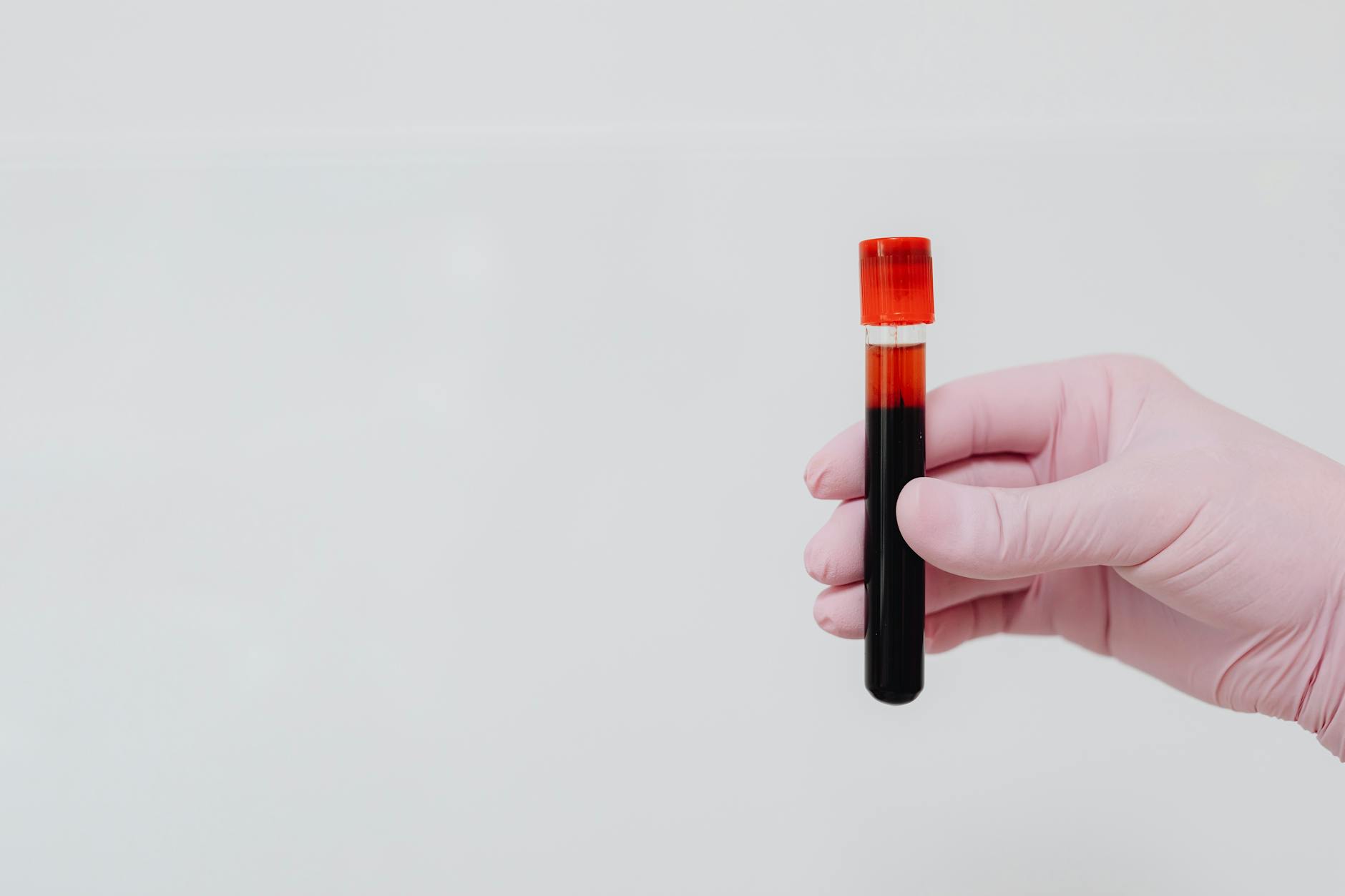
Empty bone marrow looks like a desolate winter forest under the microscope. We expect to see a bustling factory of blood cells, but instead there’s only pale fat tissue taking up space.
That quiet failure dictates every symptom a patient feels.
1. The fatigue carries a different gravity
Textbooks describe fatigue and pallor as the expected presentation. In the exam room, it looks like a previously healthy person who suddenly can’t stand up in the shower without gasping for air. “I feel like I’m wearing a lead suit just to walk to the kitchen,” a patient told me last year. General practitioners often spot a low red count on routine labs and reflexively prescribe iron pills. But hematologists look at the flat reticulocyte count and immediately know the marrow factory is entirely offline. The fatigue stems directly from starving the brain of oxygen delivery. You can’t sleep this exhaustion away.
2. Bruises that defy mechanical logic
Why do petechiae usually appear on the ankles first? Gravity pushes the few circulating platelets downward. Capillaries in the lower legs burst under normal standing pressure when the clotting cells are depleted. These pinpoint red dots don’t blanch when you press them. They just multiply.
3. The misdirected T-cell betrayal
Most articles will tell you aplastic anemia is a blood disorder. That framing misses the point. It is an unprovoked autoimmune attack. Your own T-cells misidentify the stem cells residing in your bone marrow as hostile invaders. They orchestrate a targeted strike that wipes out the very source of your entire blood supply. “My body is basically eating its own engine,” a young man said to me once while staring blindly at his lab results. He grasped the mechanism perfectly. We use potent drugs like cyclosporine to suppress those rogue lymphocytes. And NIH data confirms that adding agents like eltrombopag can stimulate whatever stem cells managed to survive the assault. You have to shut down the immune system before you can attempt to rebuild the marrow. (The irony of healing a patient by poisoning their defense mechanisms is something we rarely discuss aloud.) We wait agonizing weeks to see if the hollowed-out marrow responds. Sometimes the first sign of genuine recovery is just a tiny bump in the absolute neutrophil count. Or perhaps the platelets hold steady for a few extra days between transfusions. Families often struggle to comprehend why we enforce such strict isolation protocols. They see their loved one looking normal on the outside, unaware that a microscopic war is raging inside their long bones. Until that exact moment, the patient remains exceedingly vulnerable to the outside world.
4. The terrifying silence of a mild fever
A fever in these patients terrifies me. Without neutrophils to mount an inflammatory response, an invading infection operates with zero resistance. We don’t fully understand why the immune system suddenly breaks tolerance and attacks the marrow following a seemingly ordinary viral illness. But once the neutrophils crash, even a mild sinus bug can escalate to raging sepsis within hours. They come into the emergency department looking relatively stable. Their body temperature might merely read a hundred point four degrees. We initiate broad-spectrum intravenous antibiotics immediately anyway because waiting for blood cultures to result usually means losing the patient entirely.
5. The absent pink in the palms
I saw a woman reach for her purse and noticed the creases of her palms were entirely white. That absence of pink gave away her severe anemia before the phlebotomist even drew the first tube. The physical signs remain subtle until they become impossible to ignore. Pale conjunctivae. Gums bleeding persistently from a soft toothbrush.
6. The bimodal age distribution curve
The disease targets two distinct age brackets indiscriminately. We see a peak in young adults in their twenties, then another spike in those over sixty. The conversations differ wildly depending on the room I walk into. Younger individuals face the daunting prospect of a bone marrow transplant right as their lives are accelerating toward careers and families. Older adults typically undergo immunosuppressive therapy because their aging organs can’t tolerate the harsh conditioning regimens required for a transplant. You sit there trying to explain this sudden derailment while they stare blankly at the wall.
7. The harsh reality of horse serum
The treatment protocol sounds medieval to anyone outside of hematology. We bring individuals into the hospital to drip proteins derived from immunized horses or rabbits into their veins. According to PubMed, severe cases require this intense antithymocyte globulin therapy to halt the relentless marrow destruction. It resets the immune system aggressively by wiping out the circulating lymphocytes that are doing the damage. But the physical reactions during the infusion can be exceedingly fierce. Shaking chills rattle the hospital bed. Temperatures spike wildly. Joint pain keeps them awake all night long despite the continuous narcotics we push through their central line. We manage this predictable fallout with heavy doses of steroids and antihistamines while waiting for the chaos to subside. Nurses monitor their vitals every fifteen minutes during the initial hours because anaphylaxis is a constant shadow in the room. Sometimes the delayed serum sickness develops a full week later, adding a miserable rash and swollen lymph nodes to the ongoing ordeal. You watch them endure this concentrated toxicity just for a narrow chance at achieving partial remission. Many patients ask if there is an easier pill to swallow. I have to tell them that oral medications alone rarely possess the sheer force needed to reverse this grade of marrow failure. We are fighting a raging forest fire, and a gentle rain will not put it out. There is no guarantee the marrow will ever wake up. We just give it the best possible internal environment to try.
8. The quiet tether of transfusion dependency
Transfusion dependency becomes a quiet, persistent tether to the clinic. Living from bag to bag drains a person mentally. They watch the dark red liquid flow through the plastic tubing, knowing it buys them maybe two weeks of energy before the exhaustion creeps back in. Iron overload eventually becomes a looming physical threat. Every unit of packed red cells deposits residual metal into the heart and liver tissue. We prescribe chelating agents to pull that excess iron out of their organs. It adds another daily pill to an already overwhelming list.
9. The hidden genetic masquerade
Genetics sometimes hide in the background of acquired cases. Research in PubMed highlights that hidden telomerase defects play a subtle role in marrow failure. We screen younger patients for inherited syndromes even when the presentation looks like classic acquired disease. Dyskeratosis congenita can masquerade as standard aplastic anemia for years before revealing its true nature. Missing that genetic link alters the transplant strategy entirely because using a sibling donor with the same undiscovered mutation leads to catastrophic graft failure. You have to interrogate the DNA before making definitive moves.
10. The lingering shadow of clonal evolution
The shadow of clonal evolution follows everyone who achieves remission. Surviving the initial immune attack puts immense stress on the remaining stem cells. Sometimes those survivor cells mutate simply to endure the hostile environment. They trade their vulnerability for abnormality. Paroxysmal nocturnal hemoglobinuria can emerge years later as a direct consequence of this cellular pressure. Or the recovering marrow twists into myelodysplastic syndrome. We check their peripheral blood counts every few months forever because the looming threat of secondary leukemia never entirely dissipates.
Managing this disease requires abandoning the expectation of a quick fix in favor of relentless surveillance. Ask your hematologist to map out your reticulocyte and absolute neutrophil count trends over months, rather than reacting to single daily values.
Medical Disclaimer: This article is for informational purposes only and does not constitute medical advice. Always consult a qualified healthcare professional before making health decisions.




