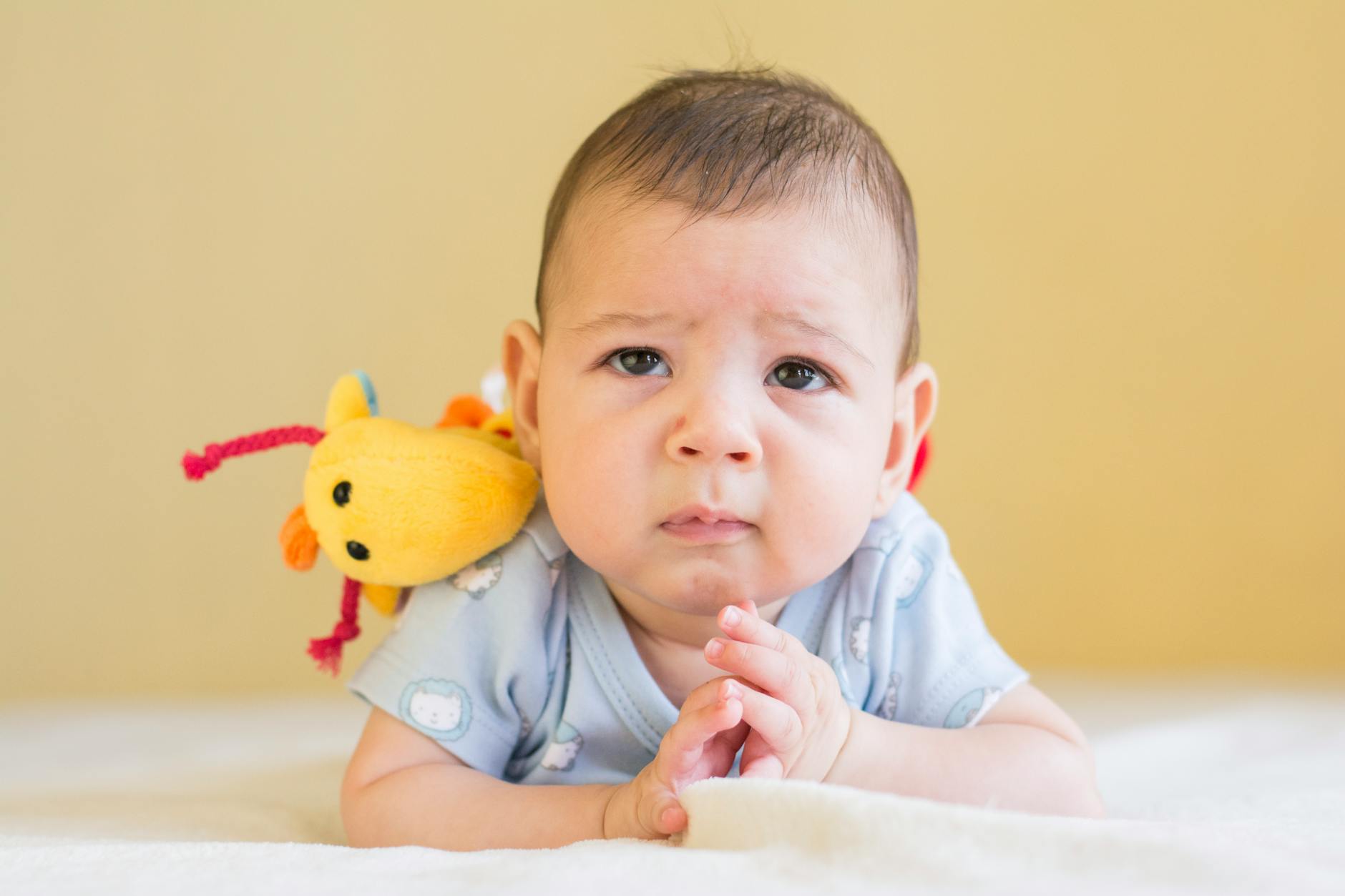
Autism spectrum disorder (ASD) affects roughly 1 in 36 children in the United States, making it one of the most common developmental conditions diagnosed in early childhood. Recognizing autism signs as early as possible matters because research consistently shows that earlier intervention leads to better long-term outcomes for communication, social skills, and independence. Every child develops differently, but understanding these key indicators can help parents and caregivers seek timely support.
1. Limited or No Response to Their Name
Most babies begin turning toward their name consistently by around 12 months of age. When a child repeatedly does not respond to their name being called — even in a quiet room — it can be one of the earliest autism signs to emerge. This is not about hearing ability; many of these children respond readily to other sounds. Research published in PubMed identifies no response to name as one of the most common early signs of ASD in the first two years of life. If your child consistently ignores their name but reacts to music or other environmental sounds, it may be worth discussing with your pediatrician at the next visit.
2. Reduced Eye Contact
Eye contact is one of the building blocks of early social communication. Babies typically seek out faces and make eye contact during feeding, play, and conversation. Children showing autism signs may avoid direct eye contact or make it far less frequently than expected. According to PubMed Central, avoidance of eye contact is recognized as one of the early indicators of ASD, though it can vary significantly from child to child. If you notice your little one rarely looks at you during interactions, mention this pattern to your healthcare provider.
3. Delayed Speech and Language Development
Speech delays are among the most commonly noticed autism signs by parents and caregivers. While some children are simply late talkers, a child who is not babbling by 12 months or using single words by 16 months may warrant closer observation. Some children with ASD develop a few words and then lose them — a pattern called regression. As noted by the NCBI, delayed speech is a well-documented red flag for ASD. Keeping track of your child’s language milestones and sharing any concerns early gives professionals a clearer picture.
4. Lack of Pointing or Gesturing
Before children speak fluently, they communicate through gestures. Pointing at an airplane in the sky or waving goodbye are forms of shared communication that typically develop by 14 months. Children on the autism spectrum may not point to show interest in things around them. They may also skip other communicative gestures like reaching to be picked up or nodding yes and no. If your toddler rarely uses gestures to express needs or share excitement, consider bringing it up with a developmental specialist for further evaluation.
5. Repetitive Movements or Behaviors
Repetitive behaviors — sometimes called stimming — are a hallmark feature of autism spectrum disorder. These can look like hand flapping, body rocking, spinning in circles, or repeatedly opening and closing doors. While all children engage in some repetitive play, the frequency and intensity may be different in children with ASD. These movements often serve a self-regulating purpose and can increase during excitement or stress. If your child engages in repetitive behaviors that seem unusual for their age or interfere with daily activities, it is a worthwhile topic to explore with your pediatrician.
6. Difficulty with Pretend Play
Imaginative play is a developmental milestone that usually appears between 18 and 24 months of age. Children may pretend to feed a doll, talk on a toy phone, or cook in a play kitchen. A child showing autism signs may struggle with this type of play and prefer to line up toys or focus on a single part of an object, such as spinning the wheels of a car. The NCBI lists the absence of pretend play by 18 months as an early red flag. Observing how your child plays can offer valuable clues about their development.
7. Unusual Sensory Reactions
Many children with ASD experience the world through heightened or reduced sensory sensitivity. Some may cover their ears at sounds that do not bother other children. Others may seem unbothered by pain or temperature extremes. Textures of food or clothing can also trigger intense reactions. These sensory differences are not just pickiness — they reflect how the brain processes sensory input. If your child has extreme or unusual reactions to sounds, textures, lights, or smells, documenting specific examples can be helpful when discussing concerns with a healthcare professional.
8. Preference for Solitary Play
While parallel play is normal for toddlers, most children gradually develop interest in playing with peers. Children showing autism signs may consistently prefer playing alone, even when other children are nearby and inviting interaction. They may seem content in their own world and not seek out social engagement with adults or children their age. This is not necessarily shyness. It often reflects differences in social motivation and awareness. If your child shows little interest in interacting with others during playdates or group activities, it could be worth a developmental screening.
9. Strong Attachment to Routines
Routine provides comfort to many children, but an intense insistence on sameness can be an autism sign. Children with ASD may become extremely distressed by small changes, such as taking a different route to daycare or eating from a new plate. Transitions between activities can trigger meltdowns that seem disproportionate to the change. This rigidity goes beyond typical toddler stubbornness. It reflects a deep need for predictability in a world that can feel overwhelming. If minor routine disruptions consistently lead to significant distress, sharing this pattern with a specialist can help determine next steps.
10. Early Differences in Social Attention
Even before a clinical diagnosis is possible, subtle differences in social attention can appear in infancy. Research published in PubMed suggests that infants who later develop ASD may show disruptions in social interest, attention, and communication during their first year of life. These signs are often subtle — less smiling at caregivers, reduced interest in social games like peek-a-boo, or fewer attempts to share enjoyment. These early differences do not guarantee a diagnosis, but they are meaningful signals. Trusting your instincts when something feels different about your baby’s social engagement is always a reasonable first step.
Understanding these common autism signs empowers parents and caregivers to act early when something feels off. No single sign alone confirms a diagnosis, but a pattern of several indicators deserves professional attention. If any of these signs resonate with what you are observing in your child, schedule a developmental screening with your pediatrician — early support can open doors to meaningful progress.
Medical Disclaimer: This article is for informational purposes only and does not constitute medical advice. Always consult a qualified healthcare professional before making health decisions.




