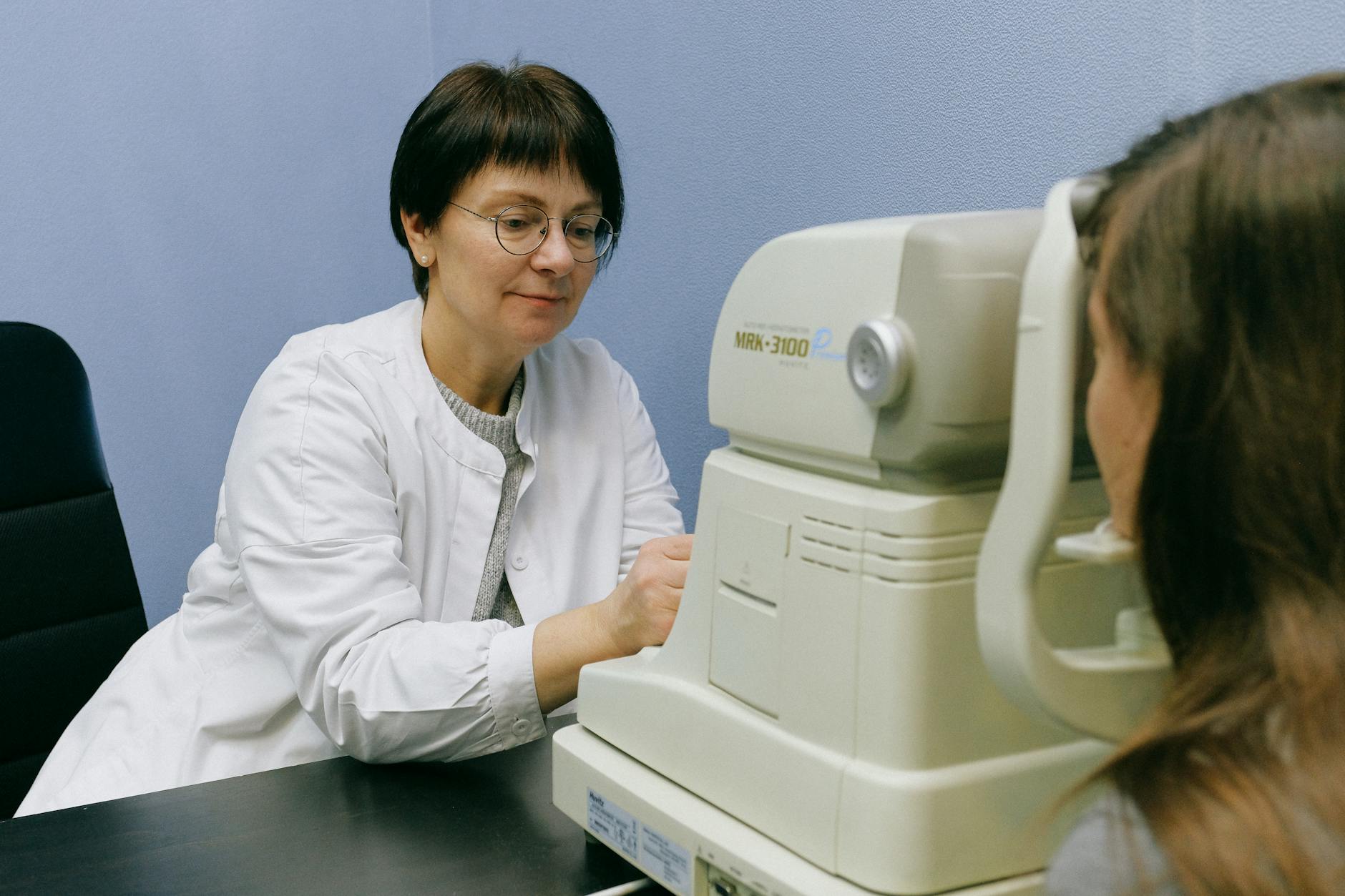
Eyelid twitching is an incredibly common experience that most adults encounter at some point. That tiny, involuntary flutter — known medically as myokymia — usually affects the lower eyelid and tends to come and go on its own. Understanding the triggers behind eyelid twitching can help you take simple steps to reduce episodes and know when it might be time to talk to a doctor.
1. Stress and Anxiety
Stress is one of the most frequently cited triggers for eyelid twitching. When your body is under emotional or physical pressure, your nervous system can misfire in small ways. The muscles around your eye are particularly delicate and sensitive to these signals. Stress hormones like cortisol may increase nerve excitability, making those tiny eyelid muscles contract without your control. Research suggests that eyelid myokymia involves continuous fine contractions that are usually benign but can persist when stress remains unmanaged. Finding healthy outlets like deep breathing, regular walks, or even brief meditation breaks may help calm the twitching and your nervous system overall.
2. Excessive Screen Time
Spending long hours staring at a computer, tablet, or phone screen is a well-documented trigger. Digital screens cause you to blink less frequently, leading to eye strain and dryness. A recent study found that prolonged digital screen time is significantly associated with eyelid myokymia, with a strong positive correlation between twitching duration and the number of hours spent on screens. The same research found no link between twitching and refractive error or blood electrolytes, pointing to screen time as a standalone risk factor. Try following the 20-20-20 rule: every 20 minutes, look at something 20 feet away for 20 seconds.
3. Sleep Deprivation
Not getting enough quality sleep leaves your entire body fatigued, including the small muscles around your eyes. Sleep deprivation heightens nervous system sensitivity and lowers your threshold for involuntary muscle contractions. Even one or two nights of poor rest can trigger a bout of eyelid twitching that lingers for days. Prioritizing seven to nine hours of sleep each night is one of the simplest ways to keep twitching at bay. If you struggle with insomnia, consider limiting caffeine after noon and keeping a consistent bedtime routine.
4. Caffeine Overconsumption
Your morning coffee habit might be contributing to that persistent eyelid flutter. Caffeine is a central nervous system stimulant that can increase muscle excitability throughout your body. In higher doses, it may overstimulate the delicate nerves controlling your eyelid muscles. Clinical observations suggest that cutting back on caffeine often resolves twitching within a few days. If you drink more than two to three cups of coffee daily, try gradually reducing your intake and notice whether your symptoms improve.
5. Eye Strain and Fatigue
Eye strain does not only come from screens. Reading in dim light, driving long distances, or working in bright fluorescent environments can all exhaust your eye muscles. When these muscles fatigue, they become more prone to involuntary spasms. An uncorrected vision problem, such as needing new glasses, can also force your eyes to work harder than necessary. Scheduling a comprehensive eye exam can rule out vision issues and help you find the right corrective lenses to reduce everyday eye strain.
6. Dry Eyes
Dry eye syndrome is more common than many people realize, especially among older adults and contact lens wearers. When the surface of your eye lacks adequate moisture, irritation can trigger reflexive eyelid contractions. Factors like air conditioning, heating, wind, and certain medications can worsen dryness. Over-the-counter lubricating eye drops, often called artificial tears, may provide relief. If dryness persists despite using drops, your eye doctor can explore prescription treatments or lifestyle adjustments to restore comfortable moisture levels.
7. Alcohol Consumption
Alcohol affects the nervous system in several ways that can promote eyelid twitching. It disrupts normal sleep architecture, contributes to dehydration, and may alter electrolyte balance. Even moderate drinking in the evening can lead to restless sleep and next-day twitching. Research into chronic eyelid twitching has found that various lifestyle factors, including alcohol use, can compound the problem over time. Reducing alcohol intake, especially close to bedtime, is a practical step that may help resolve recurring episodes.
8. Nutritional Deficiencies
Certain nutrient shortfalls — particularly magnesium, potassium, and B vitamins — have been linked to muscle twitching throughout the body. Magnesium plays a critical role in nerve function and muscle relaxation. When levels drop too low, involuntary contractions become more likely. While clinical evidence specifically tying eyelid twitching to magnesium deficiency is still limited, many healthcare providers recommend checking nutrient levels when twitching becomes frequent. Eating magnesium-rich foods like leafy greens, nuts, and whole grains is a reasonable first step.
9. Seasonal and Environmental Factors
Interestingly, eyelid twitching may not be entirely random throughout the year. Studies indicate that chronic eyelid twitching shows seasonal patterns, occurring more frequently during cold weather, and is more common in women than men. The same research found electrophysiological evidence of facial nerve conduction defects in affected individuals, including delayed blink reflexes. Cold, dry winter air can irritate the eyes and contribute to dryness, compounding the problem. Wearing wraparound sunglasses outdoors and using a humidifier indoors during colder months may help protect your eyes from environmental triggers.
10. Underlying Neurological Conditions (Rare)
In the vast majority of cases, eyelid twitching is harmless and temporary. However, persistent twitching that lasts weeks, spreads to other parts of the face, or causes difficulty opening the eye warrants medical evaluation. Conditions like blepharospasm or hemifacial spasm are rare but treatable. Reassuringly, research shows that chronic isolated eyelid myokymia is a benign condition that does not progress to other facial movement disorders or associate with serious neurologic diseases. If your twitching is accompanied by redness, swelling, or drooping, see your healthcare provider promptly to rule out anything more complex.
Most eyelid twitching episodes resolve on their own once triggers like stress, poor sleep, and excessive screen time are addressed. Start by identifying which factors in your daily routine might be contributing, then make one or two small changes — like reducing caffeine or taking more screen breaks — and give your body a few days to respond. If twitching persists beyond a few weeks or worsens, schedule an appointment with your eye doctor for a thorough evaluation.
Medical Disclaimer: This article is for informational purposes only and does not constitute medical advice. Always consult a qualified healthcare professional before making health decisions.




