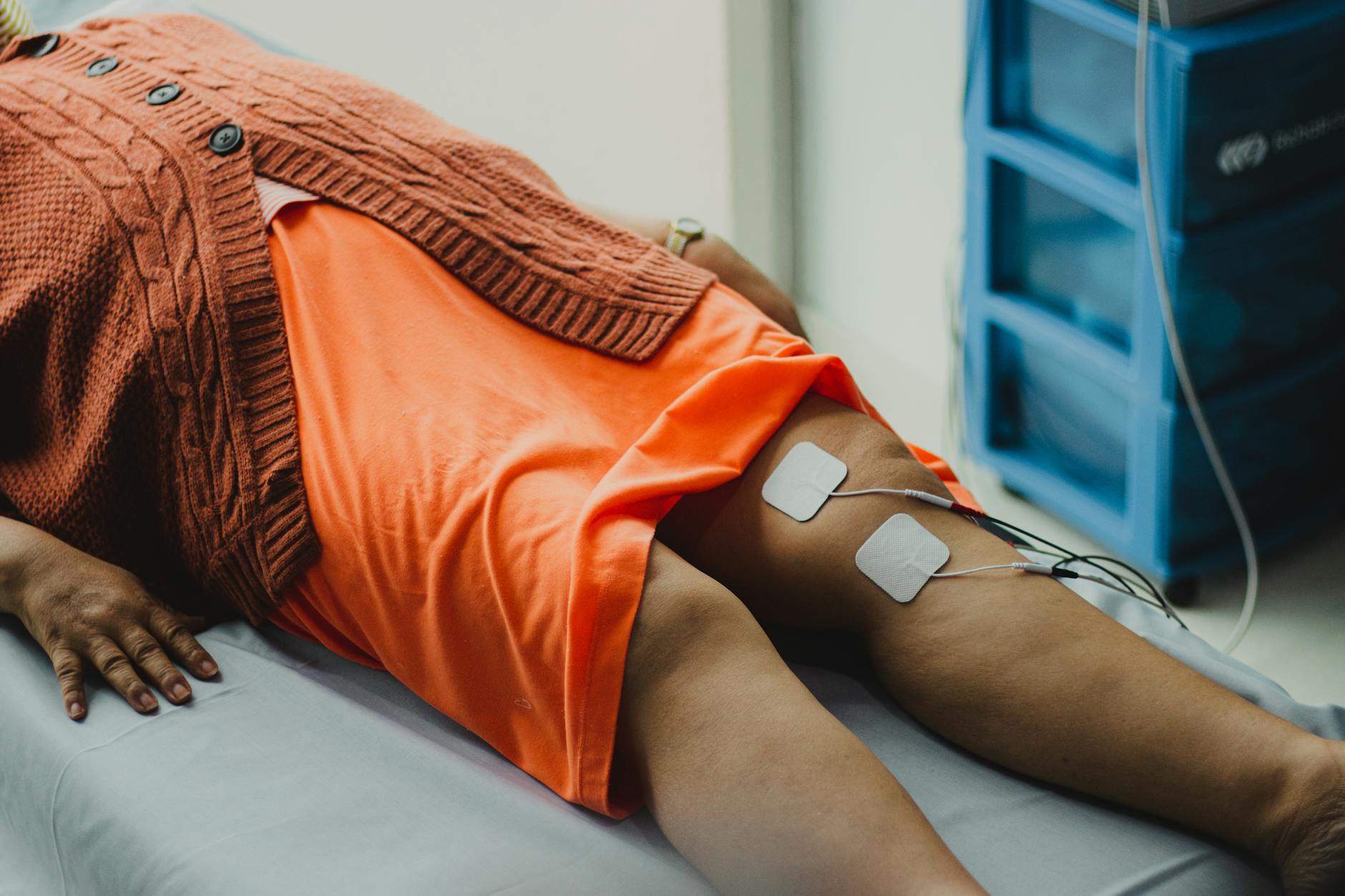
Leg cramps affect up to 60 percent of adults at some point, and they become increasingly common with age. That sudden, involuntary tightening in your calf or thigh can jolt you awake at night or stop you mid-stride during a workout. Understanding why they happen is the first step toward keeping them at bay.
1. Dehydration
When your body loses more fluid than it takes in, your muscles become more prone to involuntary contractions. Even mild dehydration can alter the balance of fluids surrounding muscle cells, making them irritable and quick to spasm. According to the NIH, dehydration is one of the most commonly cited triggers for muscle cramps. Research suggests that people who exercise in hot environments face an especially high risk. A simple but effective strategy is to sip water consistently throughout the day rather than waiting until you feel thirsty. Keeping a refillable bottle within reach can serve as a helpful visual reminder to stay hydrated.
2. Electrolyte Imbalances
Minerals like potassium, sodium, calcium, and magnesium play critical roles in muscle contraction and relaxation. When levels of these electrolytes dip too low, your muscles may fire erratically and lock into a cramp. Heavy sweating, certain medications, and restrictive diets can all drain these essential minerals. Clinical evidence shows that restoring electrolyte balance often helps reduce cramping episodes. Try incorporating potassium-rich foods like bananas and sweet potatoes or calcium-rich options like yogurt into your daily meals. If you suspect a significant deficiency, a simple blood test from your doctor can confirm it.
3. Muscle Overexertion
Pushing your muscles harder than they are used to is a well-known recipe for cramps. Intense exercise, heavy lifting, or even an unusually long walk can fatigue muscle fibers to the point where they contract involuntarily. This is especially common in the calves and hamstrings after vigorous lower-body activity. Research suggests that fatigued muscles lose their normal inhibitory reflexes, making them spasm more easily. Gradually increasing your workout intensity gives muscles time to adapt. Cooling down with gentle stretches after exercise may also help keep post-workout leg cramps at bay.
4. Prolonged Sitting or Standing
Staying in one position for extended periods restricts blood flow and can lead to muscle stiffness. Office workers who sit for hours and retail employees who stand all day both report frequent leg cramps. Reduced circulation means less oxygen and fewer nutrients reach the muscle tissue. Over time, this creates the perfect environment for a painful spasm. Studies indicate that taking short movement breaks every 30 to 60 minutes can significantly improve lower-leg circulation. Even simple ankle circles or calf raises at your desk can make a noticeable difference.
5. Nocturnal Leg Cramps and Aging
Nighttime leg cramps are remarkably common in older adults, with some estimates suggesting they affect nearly half of people over 50. As we age, we naturally lose muscle mass, and the remaining fibers become more susceptible to cramping. A randomized trial published in PubMed found that knee-high compression stockings significantly reduced leg cramp frequency in older adults compared to placebo. The exact cause of nocturnal cramps often remains unclear, but nerve changes and reduced activity levels likely contribute. Gentle calf stretches before bed and wearing compression stockings are two practical approaches worth discussing with your doctor.
6. Medication Side Effects
Several common medications list leg cramps as a potential side effect. Diuretics used for blood pressure can deplete potassium and magnesium. Statins prescribed for cholesterol may contribute to muscle-related complaints, including cramping. Even some asthma medications and oral contraceptives have been associated with increased cramp frequency. If your leg cramps started or worsened after beginning a new medication, that timing is worth noting. Talk with your prescribing doctor before stopping any drug — they may adjust the dose or recommend a suitable alternative.
7. Poor Circulation
Peripheral artery disease and other vascular conditions restrict blood flow to the legs. When muscles do not receive adequate oxygen during activity, they can cramp and ache. This type of cramping often occurs during walking and eases with rest, a pattern doctors call claudication. Smoking, diabetes, and high cholesterol are major risk factors for circulatory problems. If your leg cramps consistently appear during movement and fade when you stop, it is important to mention this pattern to your healthcare provider. Early detection of vascular issues can prevent more serious complications down the road.
8. Nerve Compression
Compressed or pinched nerves in the lower spine can send abnormal signals to leg muscles. Conditions like lumbar stenosis narrow the spinal canal and may trigger cramping that worsens with walking or standing. This type of discomfort often improves when you lean forward slightly, such as when pushing a shopping cart. Nerve-related cramps tend to feel different from typical muscle spasms — they may radiate down the leg or come with tingling. Physical therapy focused on core strengthening and spinal mobility can help relieve pressure on affected nerves. Your doctor may recommend imaging if symptoms persist or worsen over time.
9. The Magnesium Question
Magnesium supplements are among the most popular remedies people reach for when leg cramps strike. However, the scientific evidence tells a more nuanced story. A Cochrane review concluded that magnesium supplementation is unlikely to provide clinically meaningful prevention of skeletal muscle cramps in older adults. While magnesium plays an important role in muscle function, supplementing it may not address the actual cause of most cramps. That said, people with a confirmed deficiency may still benefit. Before spending money on supplements, consider having your magnesium levels tested to determine if supplementation truly makes sense for you.
10. Stretching and Gentle Movement
Regular stretching remains one of the most accessible and low-risk approaches to managing leg cramps. Targeted calf stretches — standing on a step with your heels hanging off the edge — have shown promise in reducing nighttime cramping episodes. Gentle activities like walking, swimming, or yoga keep muscles flexible and promote healthy blood flow. Research suggests that consistent, moderate movement is more protective than occasional intense exercise. Aim for a brief stretching routine in the morning and before bed, holding each stretch for 15 to 30 seconds. This simple daily habit costs nothing and may spare you those agonizing middle-of-the-night wake-ups.
Leg cramps usually have a manageable explanation, whether it is dehydration, overworked muscles, or a side effect of medication. Start by tracking when your cramps occur and what you were doing beforehand — that pattern can help you and your doctor pinpoint the most likely cause and build a plan that actually works.
Medical Disclaimer: This article is for informational purposes only and does not constitute medical advice. Always consult a qualified healthcare professional before making health decisions.




