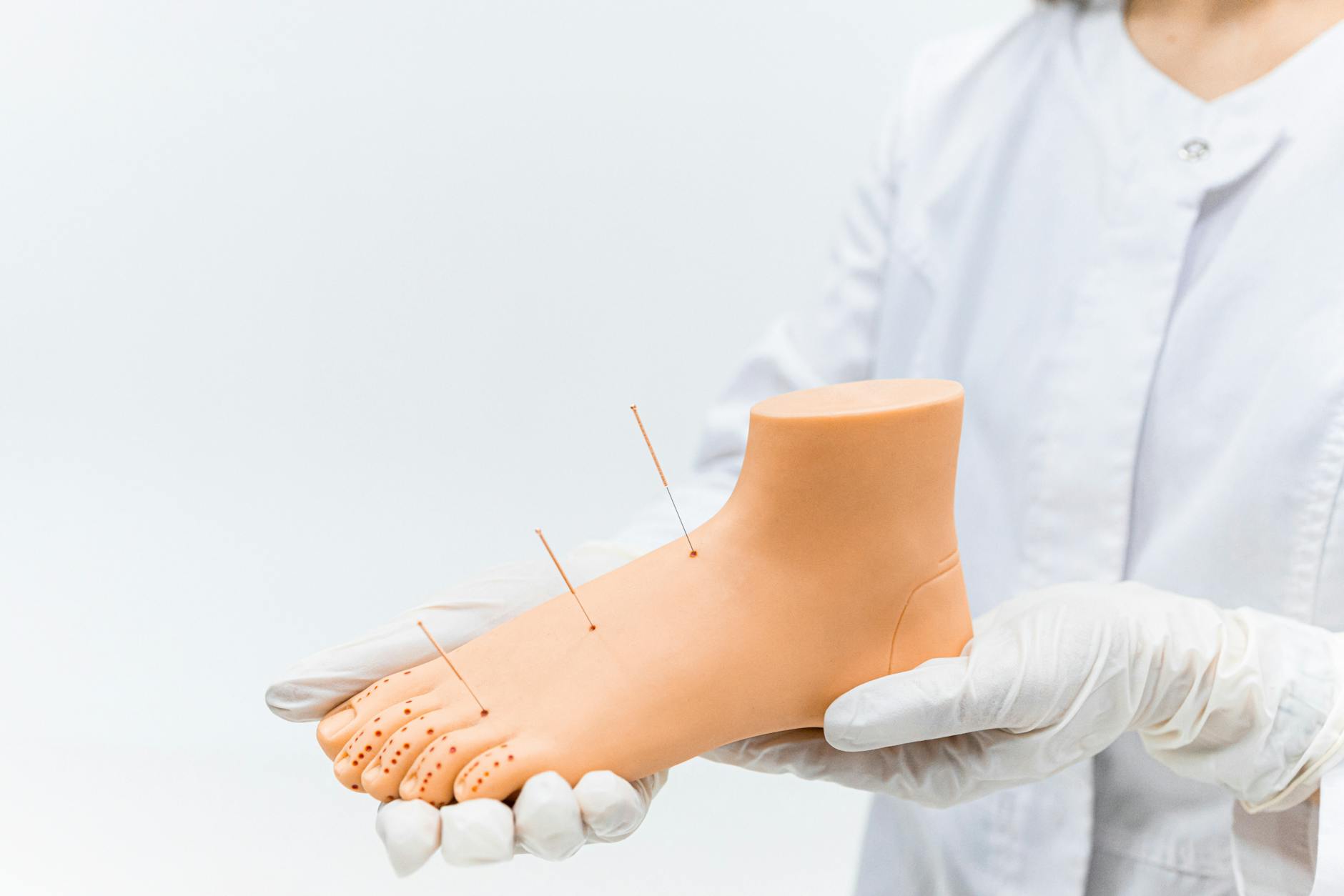
Metatarsalgia — that sharp, burning pain in the ball of your foot — affects millions of people each year, from weekend runners to office workers in stiff shoes. Understanding what triggers this condition is the first step toward getting back on your feet comfortably. Here are ten common causes and practical strategies that research supports for finding real relief.
1. Ill-Fitting or Unsupportive Footwear
One of the most frequent culprits behind metatarsalgia is simply wearing the wrong shoes. High heels push excessive weight onto the forefoot. Narrow toe boxes compress the metatarsal heads together, increasing pressure with every step. Shoes that lack cushioning in the ball of the foot offer little shock absorption during walking or standing. Research suggests that switching to well-fitted shoes with a wide toe box and adequate forefoot padding can significantly reduce symptoms. If you spend long hours on your feet, look for footwear rated for arch support and metatarsal cushioning. This single change is often the easiest and most effective starting point for relief.
2. High-Impact Physical Activities
Running, jumping, and other high-impact exercises place tremendous repetitive force on your metatarsal bones. Over time, this stress can inflame the tissues around these bones and trigger persistent forefoot pain. Athletes who increase training intensity too quickly are especially vulnerable. Clinical evidence shows that gradually ramping up activity levels and incorporating low-impact cross-training — like swimming or cycling — gives the forefoot time to adapt. Wearing sport-specific shoes with extra forefoot cushioning also helps distribute impact more evenly. If you notice ball-of-foot pain after workouts, consider scaling back intensity and consulting a sports medicine professional.
3. Excess Body Weight
Carrying extra weight increases the load on your metatarsal heads with every step you take. Even moderate weight gain can shift pressure distribution in the foot in ways that stress the forefoot disproportionately. Studies indicate that people with higher body mass indexes report ball-of-foot pain more frequently. The good news is that even modest weight loss — as little as five to ten percent of body weight — may help reduce forefoot pressure. Combining a balanced diet with low-impact exercise protects the feet while supporting overall health. Talk to your doctor about a sustainable weight management plan if you suspect this is contributing to your symptoms.
4. Abnormal Metatarsal Length or Foot Structure
Not all feet are built the same, and certain structural variations can predispose you to metatarsalgia. When one metatarsal bone is significantly longer or shorter than its neighbors, weight distribution across the forefoot becomes uneven. Research published in PubMed found that patients with primary metatarsalgia more frequently had a specific metatarsal formula with greater shortening of the first metatarsal compared to controls. High arches and flat feet can also alter how force travels through the ball of the foot. Custom orthotics prescribed by a podiatrist can help redistribute pressure more evenly. Understanding your unique foot anatomy is key to choosing the right support strategy.
5. Morton’s Neuroma and Nerve Compression
Morton’s neuroma involves a thickening of tissue around the nerves leading to your toes, usually between the third and fourth metatarsal heads. It creates a burning, tingling sensation that may feel like standing on a pebble. According to NIH research, ultrasound can complement MRI as a diagnostic tool, particularly through dynamic exams like Mulder’s sign to confirm neuromas. Tight shoes and repetitive forefoot stress are common triggers. Conservative treatments include wider shoes, metatarsal pads, and corticosteroid injections. If symptoms persist despite these measures, a foot specialist may recommend further imaging or surgical options to relieve nerve compression.
6. Metatarsal Pad Therapy
Metatarsal pads are small, dome-shaped cushions placed just behind the ball of the foot inside your shoe. They work by redistributing pressure away from painful metatarsal heads. A study indexed on PubMed demonstrated that metatarsal pads decreased peak pressure under the second metatarsal head, which correlated with subjective pain improvement. Proper placement is essential — too far forward and they increase discomfort instead of relieving it. Many podiatrists recommend trying adhesive felt pads before investing in custom insoles. This low-cost, non-invasive approach is often one of the first therapies clinicians suggest for metatarsalgia relief.
7. Inflammatory Conditions Like Arthritis
Rheumatoid arthritis and other inflammatory joint diseases frequently target the metatarsophalangeal joints in the forefoot. Chronic inflammation causes swelling, stiffness, and erosion of cartilage in these small joints. Over time, this can alter foot mechanics and intensify ball-of-foot pain. Studies indicate that early and consistent management of underlying inflammatory conditions helps slow joint damage in the feet. Anti-inflammatory medications, physical therapy, and specially designed orthotic footwear can all play a role. If you have a diagnosed inflammatory condition and develop new foot pain, bring it up with your rheumatologist promptly so treatment can be adjusted.
8. Intermetatarsal Bursitis
Small fluid-filled sacs called bursae cushion the spaces between your metatarsal bones. When these become inflamed — a condition called intermetatarsal bursitis — the result is localized swelling and pain in the ball of the foot. Sonographic studies on PubMed identified bursitis in roughly 20.5 percent of patients presenting with metatarsalgia symptoms. Bursitis can mimic or accompany Morton’s neuroma, making accurate diagnosis important. Ice application, rest, and anti-inflammatory medications typically help calm acute flare-ups. Persistent cases may benefit from ultrasound-guided corticosteroid injections to reduce inflammation directly at the source.
9. Toe Deformities — Hammertoes and Claw Toes
Hammertoes and claw toes involve abnormal bending of the toe joints that shifts weight onto the metatarsal heads below. This altered mechanics increases pressure where the ball of the foot meets the ground. The deformity can develop gradually from years of wearing tight shoes or from muscle imbalances in the foot. Padding, toe splints, and stretching exercises may help in mild cases. Shoes with deep, roomy toe boxes allow deformed toes to rest more naturally. When conservative approaches fail to relieve metatarsalgia symptoms linked to toe deformities, surgical correction of the affected toes may be worth discussing with your podiatrist.
10. Stress Fractures in the Metatarsal Bones
Tiny cracks in the metatarsal bones — known as stress fractures — develop from repetitive force rather than a single traumatic event. They are common among runners, dancers, and military recruits who log extensive time on their feet. Pain typically worsens with activity and eases with rest. A healthcare provider may use X-rays or MRI to confirm the diagnosis. Treatment usually involves several weeks of reduced weight-bearing activity, protective footwear, and sometimes a walking boot. Ignoring a stress fracture can lead to a complete break, so early evaluation matters. Gradually increasing activity and ensuring adequate calcium and vitamin D intake may help prevent recurrence.
Metatarsalgia rarely has a single cause, which is why understanding these ten contributors can help you and your healthcare provider build a targeted relief plan. Start by evaluating your footwear, activity levels, and foot structure — then schedule an appointment with a podiatrist or orthopedic specialist for a thorough assessment tailored to your needs.
Medical Disclaimer: This article is for informational purposes only and does not constitute medical advice. Always consult a qualified healthcare professional before making health decisions.




