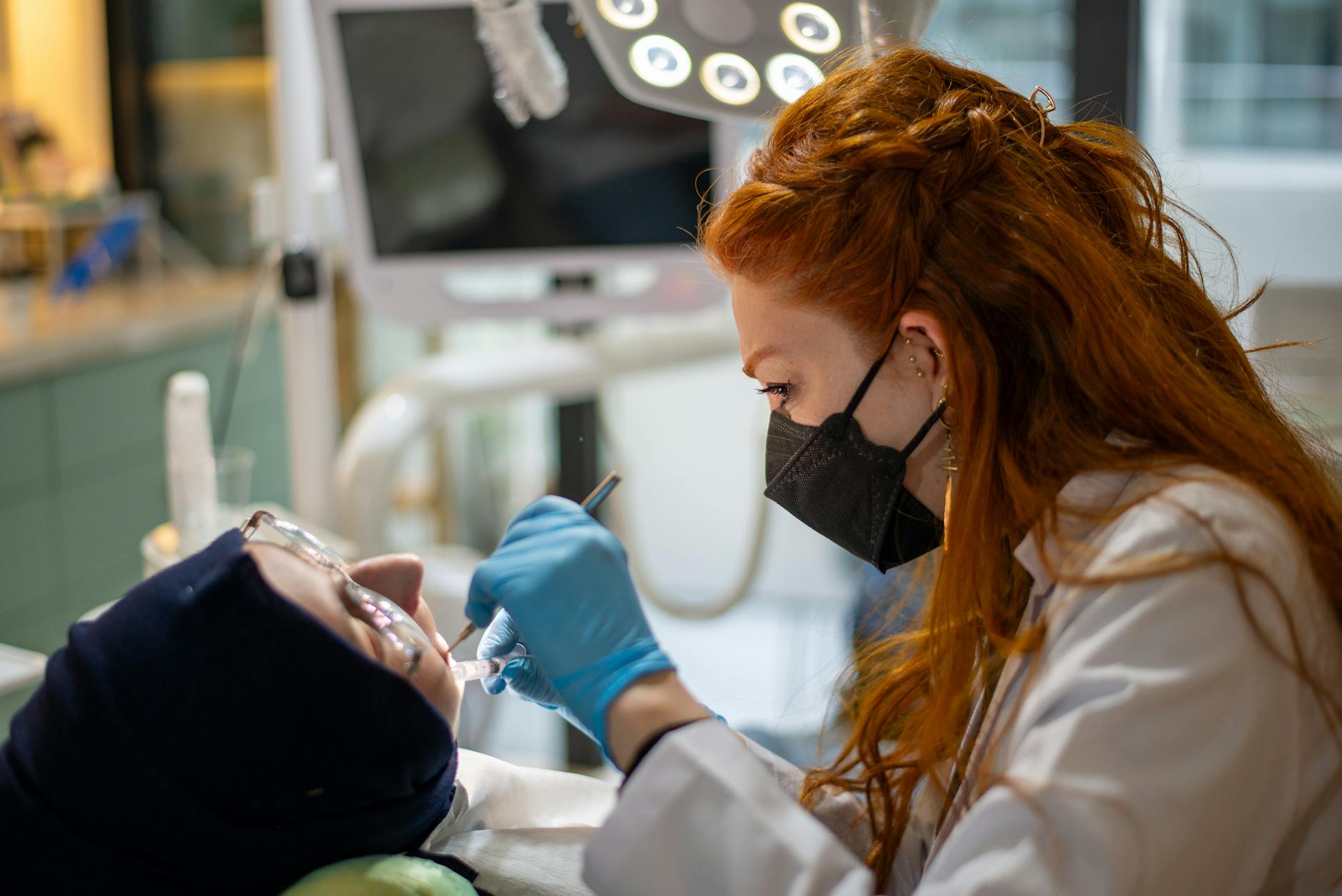
Mouth blisters affect millions of people every year and can range from mildly annoying to genuinely debilitating. Whether they appear on your lips, gums, tongue, or inner cheeks, understanding what causes them is the first step toward finding relief. Here are ten common causes of mouth blisters and practical ways to manage each one.
1. Canker Sores (Aphthous Ulcers)
Canker sores are among the most frequent causes of mouth blisters. These small, shallow ulcers appear inside the mouth and are not contagious. They typically show up on the soft tissues of the cheeks, tongue, or gums. Stress, minor injuries from biting your cheek, and certain acidic foods often trigger them. Research suggests that tetracycline mouthwashes may significantly reduce ulcer duration, size, and pain in people with recurrent aphthous ulcers. Most canker sores heal on their own within one to two weeks. Over-the-counter topical gels containing benzocaine can help numb the area and provide temporary comfort while you heal.
2. Cold Sores (Herpes Simplex Virus)
Cold sores are fluid-filled blisters that usually form on or around the lips. They are caused by herpes simplex virus type 1, which is extremely common. Once infected, the virus stays dormant in your body and can reactivate during periods of stress, illness, or sun exposure. Unlike canker sores, cold sores are highly contagious. Tingling or burning sensations often appear before the blister surfaces. Antiviral medications like acyclovir or valacyclovir may shorten outbreaks when taken early. Avoid sharing utensils, lip balm, or towels during an active flare to reduce transmission risk.
3. Hand, Foot, and Mouth Disease
This viral illness primarily affects children under five but can also occur in adults. Caused by coxsackievirus, it produces painful mouth blisters along with a rash on the hands and feet. The sores usually develop on the tongue, gums, and inside of the cheeks. Symptoms tend to be mild and resolve within seven to ten days without specific treatment. Staying hydrated is essential because the mouth pain can make eating and drinking difficult. Cold foods like popsicles or yogurt can soothe irritated tissues. Good handwashing practices are the best way to prevent spreading the virus to others.
4. Oral Thrush
Oral thrush is a fungal infection caused by an overgrowth of Candida yeast in the mouth. It often appears as creamy white lesions on the tongue or inner cheeks that can feel sore or bleed slightly when disturbed. People with weakened immune systems, diabetes, or those taking antibiotics face a higher risk. Infants and older adults are also more susceptible. Antifungal medications such as nystatin or fluconazole are typically prescribed to clear the infection. Eating probiotic-rich foods like yogurt may help restore a healthy balance of oral bacteria. If thrush keeps returning, talk to your doctor about underlying conditions that may need attention.
5. Allergic Reactions
Certain foods, oral care products, or medications can trigger allergic reactions that lead to mouth blisters. Common culprits include toothpaste ingredients like sodium lauryl sulfate, cinnamon flavoring, and some nuts or shellfish. The blisters may appear alongside swelling, redness, or a burning sensation in the mouth. Identifying and eliminating the trigger is the most effective long-term strategy. Keeping a food and product diary can help you pinpoint which substances cause flare-ups. Switching to a hypoallergenic toothpaste is a simple first step that many people find helpful.
6. Nutritional Deficiencies
Low levels of certain vitamins and minerals have been linked to recurrent mouth blisters. A large genome-wide association study identified 97 genetic variants associated with non-specific mouth ulcers, and nutritional status plays a role in how these genetic risks manifest. Iron, vitamin B12, zinc, and folate deficiencies are particularly common triggers. Studies indicate that correcting these deficiencies through diet or supplementation may reduce the frequency of outbreaks. Foods like leafy greens, lean meats, eggs, and fortified cereals can help fill nutritional gaps. Ask your doctor for a blood test if you suspect a deficiency might be contributing to your symptoms.
7. Immune-Mediated Conditions
Several autoimmune diseases can cause chronic or severe mouth blisters. Conditions like pemphigus vulgaris and mucous membrane pemphigoid often start as blisters that rupture into painful, slow-healing ulcers. Research shows that oral ulcers can present as vesiculobullous lesions in immune-mediated diseases, sometimes appearing long before other symptoms develop. Lupus and Behçet’s disease are also known to cause oral ulcerations. These conditions typically require prescription medications such as corticosteroids or immunosuppressants. If your mouth blisters are unusually persistent, large, or keep recurring without an obvious cause, seeking medical evaluation is important for early diagnosis and management.
8. Physical Trauma or Irritation
Accidental bites, rough dental work, sharp tooth edges, or ill-fitting dentures can all cause mouth blisters from physical trauma. Burns from hot food or beverages are another frequent culprit. These blisters usually heal within a few days once the source of irritation is removed. Rinsing with warm salt water several times a day can promote healing and reduce discomfort. If a dental appliance is causing repeated sores, visit your dentist for an adjustment. Avoiding crunchy, sharp, or very hot foods during healing gives the tissue time to repair without further damage.
9. Medications and Cancer Treatments
Certain medications can cause mouth blisters as a side effect. Chemotherapy and radiation therapy targeting the head or neck area are especially likely to cause oral mucositis, a painful inflammation of the mouth lining. Nonsteroidal anti-inflammatory drugs, beta-blockers, and some antibiotics may also trigger sores in susceptible individuals. The severity can range from mild irritation to widespread, debilitating ulcers. If you develop mouth blisters after starting a new medication, do not stop taking it without consulting your doctor first. Your healthcare provider may adjust your dose or recommend protective mouth rinses to manage the symptoms.
10. Stress and Hormonal Changes
Emotional stress is one of the most commonly reported triggers for mouth blisters. When your body is under stress, immune function can dip, making you more vulnerable to oral sores. Hormonal fluctuations during menstruation, pregnancy, or menopause may also contribute to outbreaks in some people. The connection between stress and oral health is well documented, though the exact mechanisms are still being studied. Practicing stress-management techniques like deep breathing, regular exercise, and adequate sleep may help reduce flare-ups. Keeping a journal of outbreaks alongside stressful events can reveal patterns that help you take preventive action.
Mouth blisters have many potential causes, and identifying yours is key to finding the right treatment. Most are harmless and heal on their own, but persistent, severe, or frequently recurring blisters deserve a conversation with your doctor or dentist to rule out underlying conditions.
Medical Disclaimer: This article is for informational purposes only and does not constitute medical advice. Always consult a qualified healthcare professional before making health decisions.




