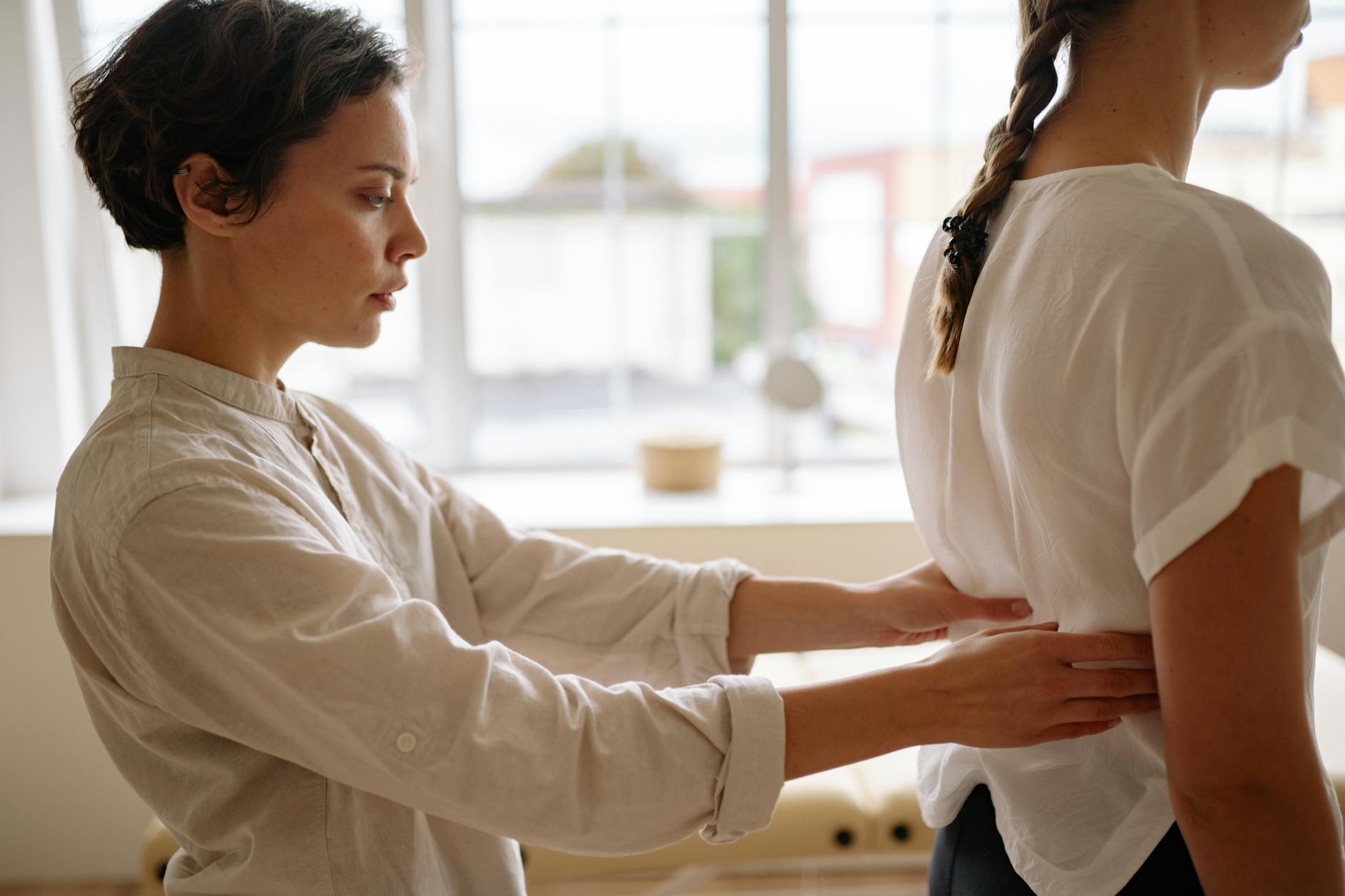
Pelvic pain is remarkably widespread, affecting millions of people each year — and research suggests it impacts roughly 26% of women worldwide. The discomfort can range from a dull ache to sharp, debilitating episodes that interfere with daily life. Understanding the most common causes of pelvic pain can help you have more informed conversations with your doctor and move closer to relief.
1. Endometriosis
Endometriosis occurs when tissue similar to the uterine lining grows outside the uterus. It commonly attaches to the ovaries, fallopian tubes, or pelvic lining. This misplaced tissue still responds to hormonal changes each month. The result is inflammation, scarring, and often significant pelvic pain. Studies indicate that endometriosis affects roughly one in ten women of reproductive age. Symptoms frequently include painful periods, pain during intercourse, and heavy menstrual bleeding. The condition can also contribute to fertility challenges. Diagnosis often requires imaging or laparoscopic surgery. If you experience progressively worsening period pain, bring it up with your gynecologist rather than dismissing it as normal cramping.
2. Pelvic Floor Dysfunction
Your pelvic floor is a group of muscles that supports your bladder, uterus, and rectum. When these muscles become too tight or too weak, they can trigger chronic pelvic pain. Clinical evidence shows that musculoskeletal dysfunction is present in 50 to 90 percent of chronic pelvic pain cases. Symptoms may include pain during sitting, urinary urgency, or discomfort during sex. Stress, past injuries, and surgery can all contribute to pelvic floor problems. The good news is that pelvic floor physical therapy has shown promising results. A trained therapist can teach targeted exercises and relaxation techniques. Ask your healthcare provider for a referral if you suspect your muscles may be part of the problem.
3. Interstitial Cystitis
Interstitial cystitis, sometimes called painful bladder syndrome, causes chronic pressure and pain in the bladder area. People with this condition often feel an urgent, frequent need to urinate — sometimes dozens of times a day. Research links it closely to other chronic pelvic pain conditions, and studies associate it with irritable bowel syndrome and pelvic floor dysfunction. The exact cause remains unclear, though a damaged bladder lining may play a role. Flare-ups can be triggered by certain foods, stress, or hormonal changes. Treatment typically involves dietary modifications, bladder training, and sometimes medication. Keeping a symptom diary that tracks food and flare patterns can be a helpful first step toward management.
4. Ovarian Cysts
Ovarian cysts are fluid-filled sacs that develop on or inside an ovary. Most are harmless and resolve on their own within a few menstrual cycles. However, larger cysts or those that rupture can cause sudden, sharp pelvic pain on one side. You might also notice bloating, a feeling of fullness, or irregular periods. Functional cysts are the most common type and form naturally during ovulation. Less frequently, cysts may indicate conditions like polycystic ovary syndrome or endometriomas. Ultrasound is the standard diagnostic tool. If you experience sudden severe pelvic pain with nausea or dizziness, seek medical attention promptly, as a ruptured cyst occasionally requires emergency care.
5. Irritable Bowel Syndrome
Not all pelvic pain originates in the reproductive system. Irritable bowel syndrome, or IBS, is a gastrointestinal disorder that frequently causes lower abdominal and pelvic discomfort. Cramping, bloating, gas, and changes in bowel habits are hallmark symptoms. The gut and the pelvic organs share nerve pathways, which is why IBS pain often feels like it radiates through the entire pelvic region. Stress and certain foods tend to worsen episodes. Research suggests that people with chronic pelvic pain are more likely to also have IBS. A gastroenterologist can help distinguish IBS from other causes. Dietary changes, such as following a low-FODMAP plan, may significantly reduce symptoms for many people.
6. Urinary Tract Infections
Urinary tract infections are among the most common acute causes of pelvic pain, especially in women. Bacteria enter the urethra and travel to the bladder, causing inflammation and irritation. You may feel a burning sensation during urination along with pelvic pressure. The urge to urinate frequently, even when little comes out, is another telltale sign. Most UTIs respond well to a short course of antibiotics prescribed by your doctor. However, recurrent infections can mimic or worsen chronic pelvic pain conditions. Drinking plenty of water and urinating after intercourse are simple preventive measures. If you get three or more UTIs in a year, talk to your provider about a longer-term prevention strategy.
7. Uterine Fibroids
Fibroids are noncancerous growths that develop in or on the uterus. They are extremely common, occurring in up to 80 percent of women by age 50. Many fibroids cause no symptoms at all. However, larger fibroids or those in certain locations can lead to pelvic pain, heavy periods, and a sensation of pressure in the lower abdomen. Some women describe feeling like something is pressing on their bladder or rectum. Fibroids tend to grow during reproductive years and often shrink after menopause. Treatment ranges from watchful waiting to medication or surgical options. If heavy bleeding or persistent pelvic discomfort is affecting your quality of life, discuss fibroid screening with your doctor.
8. Pelvic Inflammatory Disease
Pelvic inflammatory disease, commonly called PID, is an infection of the female reproductive organs. It most often results from sexually transmitted bacteria that spread from the vagina to the uterus, fallopian tubes, or ovaries. Symptoms include dull pelvic pain, unusual vaginal discharge, fever, and pain during intercourse. PID can develop silently, meaning some people have it without obvious symptoms. Left untreated, it may lead to scarring, chronic pain, and fertility issues. Early detection is key. Antibiotics are the standard treatment, and sexual partners may also need testing. Practicing safe sex and getting regular STI screenings are the most effective ways to reduce your risk of developing PID.
9. Musculoskeletal Issues
Sometimes the source of pelvic pain is not an organ at all but the muscles, joints, or ligaments surrounding the pelvis. Hip joint problems, sacroiliac joint dysfunction, and abdominal muscle strain can all refer pain to the pelvic area. Poor posture, repetitive movements, and previous injuries may contribute. This is one reason why effective management of chronic pelvic pain often integrates behavioral, pharmacologic, and physical therapy strategies. A thorough evaluation may include assessing your gait, posture, and movement patterns. Physical therapy focused on core stabilization and flexibility often provides meaningful relief. If your pelvic pain worsens with certain movements or prolonged sitting, a musculoskeletal cause is worth exploring with your healthcare team.
10. Psychological and Neurological Factors
Chronic pelvic pain is rarely caused by a single factor. Research increasingly highlights the role of the nervous system and psychological health in how pain is experienced. Anxiety, depression, and past trauma can amplify pain signals in the brain. Stress hormones may also increase muscle tension in the pelvic floor. This does not mean the pain is imagined — it means the body and mind are deeply connected. Studies from the MAPP Research Network have used neuroimaging to investigate how the brain processes chronic pelvic pain. Cognitive behavioral therapy, mindfulness practices, and stress management techniques may all help. If your pain has persisted despite treating physical causes, a multidisciplinary approach that addresses emotional well-being could be the missing piece.
Pelvic pain has many possible causes, and the right diagnosis makes all the difference in finding relief. If you are experiencing persistent or worsening pelvic discomfort, schedule an appointment with your healthcare provider to discuss your symptoms and develop a personalized evaluation plan.
Medical Disclaimer: This article is for informational purposes only and does not constitute medical advice. Always consult a qualified healthcare professional before making health decisions.




