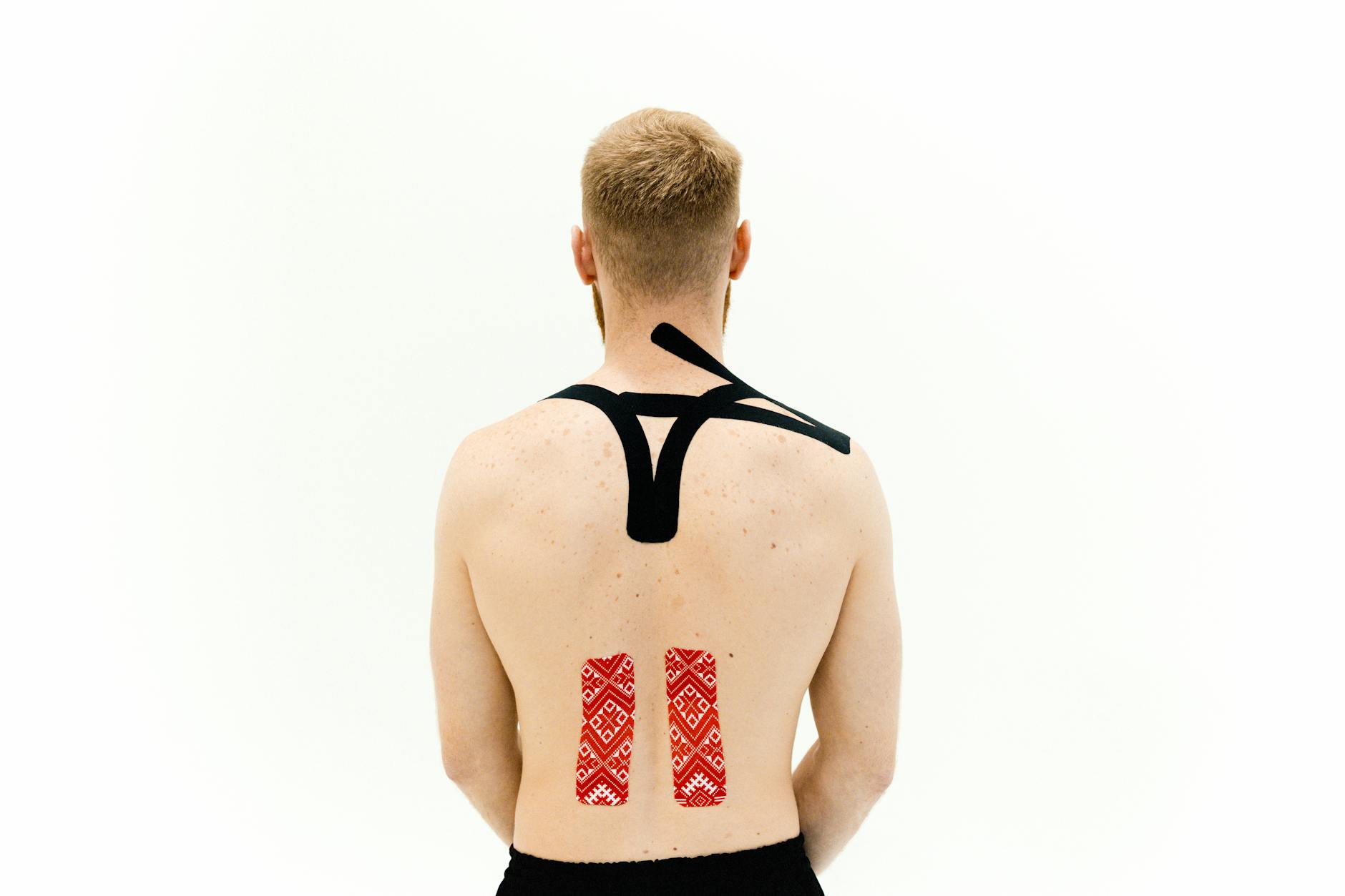
Pain between shoulder blades is one of the most common musculoskeletal complaints, affecting desk workers, athletes, and older adults alike. This nagging discomfort in the interscapular region can range from a dull ache to a sharp, burning sensation that disrupts daily life. Understanding what triggers it is the first step toward finding relief.
1. Poor Posture
Slouching or hunching forward for hours is one of the leading causes of pain between shoulder blades. When your shoulders round forward, the muscles in your upper back stretch beyond their comfortable range. Over time, this creates chronic strain in the rhomboids and middle trapezius. The muscles essentially become fatigued from working overtime to pull your shoulders back into alignment. Sitting at a desk without lumbar support makes things worse. A practical fix is to set a reminder every 30 minutes to check your posture. Roll your shoulders back, align your ears over your shoulders, and keep your screen at eye level to reduce forward head tilt.
2. Muscle Strain from Overuse
Repetitive movements like lifting, rowing, or even aggressive house cleaning can overwork the muscles surrounding your scapulae. These strains cause micro-tears in the muscle fibers, leading to inflammation and localized pain. You might notice the ache worsens after specific activities or during certain arm movements. Research from NCBI Bookshelf suggests that shoulder-area pain often improves within six months with conservative measures like cooling, over-the-counter painkillers, and physical therapy. Rest the affected area and apply ice for 15 to 20 minutes several times a day during flare-ups.
3. Scapular Dyskinesis
This condition describes abnormal movement or positioning of the shoulder blade during arm motion. It often goes undiagnosed because it requires careful visual assessment by a trained clinician. According to research published in PubMed Central, scapular dyskinesis is an often-overlooked cause of shoulder pain linked to soft tissue tightness and muscle imbalances. The scapula may wing outward or tilt abnormally when you raise your arm. Strengthening the serratus anterior and lower trapezius through targeted exercises can help restore proper scapular mechanics. Ask a physical therapist for a personalized exercise plan if you suspect this issue.
4. Herniated Cervical Disc
A bulging or herniated disc in the cervical spine can send pain radiating into the area between your shoulder blades. The disc presses on nearby nerve roots, creating a deep ache or sharp, shooting sensation. You may also notice tingling or numbness traveling down one arm. This condition is more common in people over 40, though it can affect younger adults after trauma. Diagnosis typically involves MRI imaging. Nonsurgical treatments like physical therapy, gentle stretching, and anti-inflammatory medications work well for most people. Avoid heavy overhead lifting until cleared by your doctor.
5. Myofascial Pain Syndrome
Trigger points are tight knots within muscle tissue that refer pain to other areas. In myofascial pain syndrome, these knots in your upper back and neck can create persistent interscapular discomfort. The pain often feels deep and achy, and pressing on a trigger point may reproduce the familiar ache. Stress and poor sleep tend to make trigger points more active. Treatment options include massage therapy, dry needling, and gentle stretching. Applying a tennis ball between your back and a wall to roll over sore spots can provide temporary relief at home.
6. Thoracic Spine Stiffness
The thoracic spine runs through your upper and mid-back, and when its joints become stiff, pain often settles right between the shoulder blades. Prolonged sitting, aging, and lack of mobility work all contribute to reduced thoracic extension and rotation. You might notice cracking or popping when you twist your torso. This stiffness also forces the cervical spine and lumbar spine to compensate, creating secondary issues. Thoracic mobility exercises like cat-cow stretches, foam roller extensions, and seated rotations are highly effective. Aim for five to ten minutes of thoracic mobility work daily to keep these joints healthy.
7. Nerve Compression Around the Scapula
The suprascapular nerve travels through narrow passages near the shoulder blade and is vulnerable to compression. Studies published in PubMed show that the spinoglenoid ligament can exert increased pressure on this nerve during certain shoulder positions like full adduction and internal rotation. This compression contributes to posterior shoulder pain that may radiate between the blades. Overhead athletes like volleyball players and swimmers are particularly at risk. Conservative treatment includes activity modification and nerve glide exercises. In persistent cases, arthroscopic release of the ligament may be considered.
8. Acid Reflux and GERD
Surprisingly, digestive conditions can mimic musculoskeletal pain. Gastroesophageal reflux disease causes stomach acid to flow back into the esophagus, and the referred pain sometimes appears between the shoulder blades. This is especially common after large meals or when lying down. People often mistake this for a muscle problem because it aches in the same area. Other clues include a burning sensation in the chest, sour taste in the mouth, or worsening pain after eating spicy foods. If your interscapular pain correlates with meals rather than movement, bring this up with your healthcare provider for proper evaluation.
9. Stress and Tension
Emotional stress has a direct physical impact on the upper back and neck. When you feel anxious or overwhelmed, your body unconsciously tenses the trapezius and rhomboid muscles. Over weeks and months, this chronic tension creates stubborn pain between the shoulder blades. You might notice it worsens during high-pressure work deadlines or difficult personal situations. Deep breathing exercises, progressive muscle relaxation, and regular physical activity can help break the stress-tension-pain cycle. Even a brief five-minute mindfulness session can measurably reduce upper-body muscle tension when practiced consistently.
10. Weak Scapular Stabilizers
Weak muscles around the shoulder blade leave the entire region vulnerable to pain and dysfunction. Clinical evidence shows that scapular-focused interventions significantly improve short-term pain and shoulder function in adults with shoulder-related pain syndromes. Key muscles to target include the lower trapezius, serratus anterior, and rhomboids. Exercises like wall slides, band pull-aparts, and prone Y-raises specifically strengthen these stabilizers. Consistency matters more than intensity here. Performing two to three sets of each exercise three times per week can make a noticeable difference within a few weeks.
Pain between shoulder blades usually has a treatable cause, ranging from simple posture habits to underlying nerve or spinal issues. Start by evaluating your daily posture, incorporating gentle mobility exercises, and managing stress levels. If your pain persists beyond a few weeks or comes with numbness, chest pain, or breathing difficulty, schedule an appointment with your healthcare provider for a thorough evaluation.
Medical Disclaimer: This article is for informational purposes only and does not constitute medical advice. Always consult a qualified healthcare professional before making health decisions.




