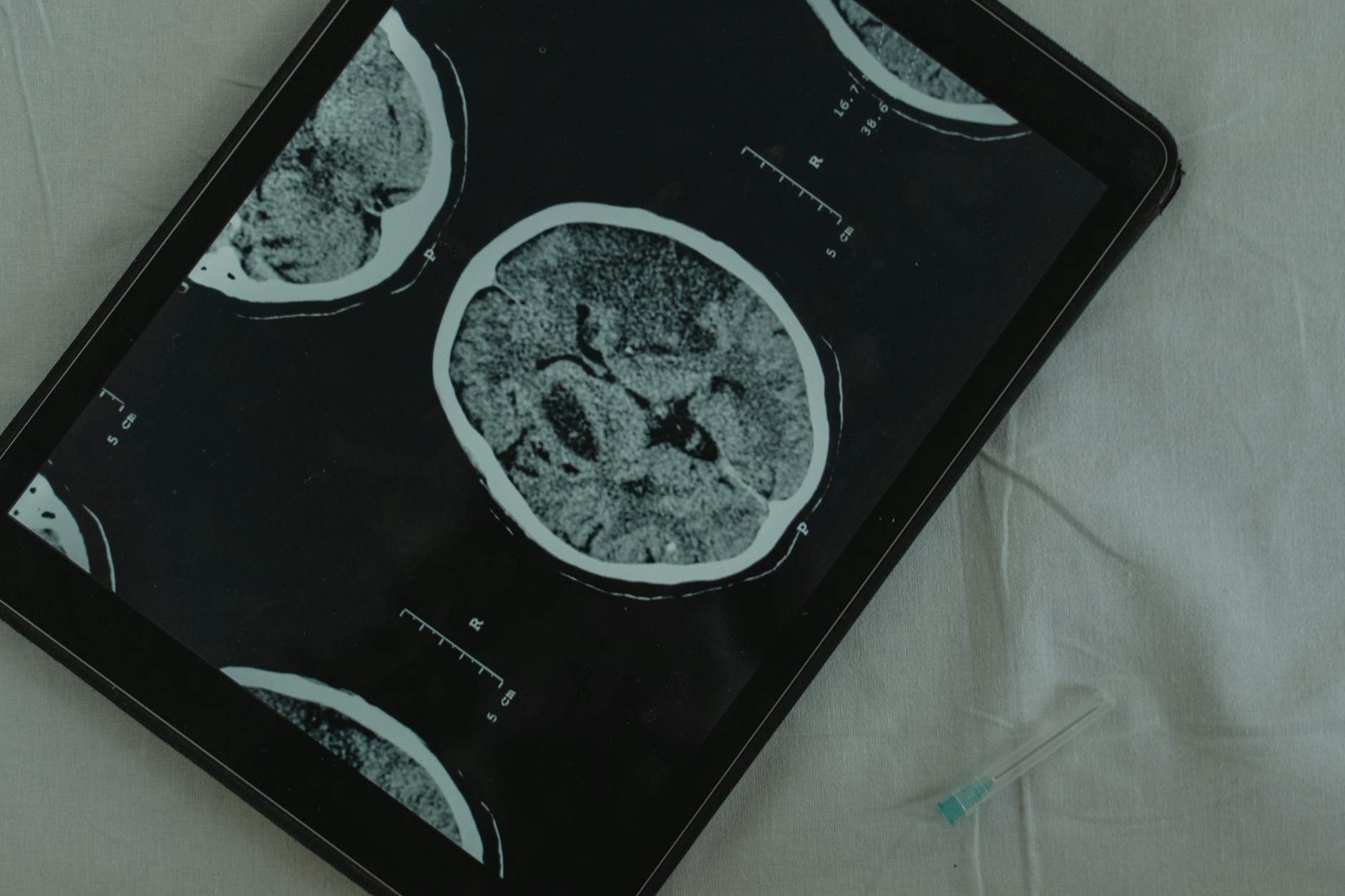
Encephalitis — inflammation of the brain — affects thousands of people worldwide each year and can strike at any age. Recognizing encephalitis symptoms early is critical because delayed treatment may lead to permanent brain damage or even death. Understanding what to watch for could help you seek emergency care when every minute counts.
1. High Fever
A sudden, high fever is often one of the earliest encephalitis symptoms to appear. Research describes fever as part of the clinical hallmark triad of acute encephalitis, alongside headache and altered mental status. The fever typically comes on quickly and may resist standard over-the-counter treatments like acetaminophen or ibuprofen. Unlike a mild infection, encephalitis-related fever tends to persist and worsen. It often reaches 103°F or higher and may be accompanied by chills and body aches. If you or someone you know develops an unexplained high fever along with any neurological changes, seek medical attention immediately rather than waiting it out at home.
2. Severe Headache
Headaches associated with encephalitis are not your typical tension headache. They tend to be intense, persistent, and resistant to pain relievers. The pain often feels deep and widespread rather than localized to one area. Clinical evidence shows that headache is one of the defining features of acute brain inflammation. Many patients describe the pain as the worst headache of their life. This kind of headache often worsens over hours or days rather than improving with rest. When a severe headache appears alongside fever or mental changes, treat it as a red flag and contact a healthcare provider right away.
3. Altered Mental Status and Confusion
Changes in mental status are a hallmark feature of encephalitis. According to clinical research, altered consciousness is a defining characteristic of the condition and is part of what separates encephalitis from simpler infections. A person may seem disoriented, have trouble answering basic questions, or appear unusually drowsy. They might not recognize familiar faces or know where they are. These changes can develop gradually over days or strike within hours. If someone around you suddenly seems mentally foggy without a clear explanation, this warrants urgent medical evaluation.
4. Seizures
Seizures are among the more frightening encephalitis symptoms and occur when brain inflammation disrupts normal electrical activity. They can range from full-body convulsions to subtle episodes like brief staring spells or involuntary muscle twitches. Studies indicate that seizures appear frequently in both children and adults with encephalitis. In some cases, seizures are the very first noticeable symptom. They may occur once or repeatedly over a short period. Anyone who experiences a new-onset seizure — especially with fever — should receive emergency medical care immediately, as this combination strongly suggests a serious neurological event.
5. Stiff Neck
A stiff, painful neck is a classic warning sign of central nervous system inflammation. This symptom occurs because the membranes surrounding the brain and spinal cord become irritated and swollen. The stiffness typically makes it difficult or painful to touch the chin to the chest. Research notes that stiff neck is a recognized feature of acute encephalitis, often appearing alongside fever and headache. It differs from ordinary muscle tension because it does not improve with stretching or massage. If neck stiffness develops rapidly along with other symptoms on this list, do not dismiss it as a pulled muscle — seek professional evaluation promptly.
6. Nausea and Vomiting
Many people with encephalitis experience significant nausea and vomiting, especially in the early stages. These gastrointestinal symptoms happen because increased pressure inside the skull can trigger the brain’s vomiting center. The nausea often feels relentless and is not relieved by eating bland foods or taking antacids. Vomiting may become forceful or projectile in some cases. Because nausea and vomiting are so common in everyday illnesses, they are easy to overlook. However, when they appear alongside fever, headache, or confusion, the combination points toward something far more serious than a stomach bug and calls for immediate medical attention.
7. Behavioral and Personality Changes
Encephalitis can cause striking changes in behavior and personality. A normally calm person may become agitated, aggressive, or paranoid seemingly overnight. Clinical evidence shows that psychiatric symptoms such as psychosis, aggression, and extreme irritability can be prominent features of acute encephalitis. These changes stem from inflammation in brain regions that control mood, impulse, and social behavior. Family members and friends are often the first to notice that something is wrong. These behavioral shifts are not a choice — they are a medical emergency. If someone’s personality changes dramatically without explanation, especially with fever present, contact emergency services without delay.
8. Speech and Language Difficulties
When encephalitis affects the brain’s language centers, speaking and understanding words can become surprisingly difficult. A person might slur their words, struggle to find the right terms, or produce sentences that do not make sense. They may also have trouble understanding what others are saying to them. These speech issues can resemble a stroke and should be treated with the same urgency. Research identifies speech disturbances as a recognized neurological sign of acute brain inflammation. Even mild word-finding difficulties in the context of illness deserve medical investigation. Note the specific changes you observe so you can describe them clearly to healthcare providers.
9. Sensitivity to Light
Photophobia, or extreme sensitivity to light, is a symptom that many encephalitis patients report. Bright lights may cause intense discomfort, pain, or a worsening headache. This happens because inflamed brain tissue and surrounding membranes become hypersensitive to sensory stimulation. A person with photophobia may shield their eyes, prefer dark rooms, or squint even in normal indoor lighting. While light sensitivity alone can occur with migraines and other conditions, its combination with fever and confusion raises serious concern for encephalitis. Keep track of when this symptom started and how severe it is, then share these details with a doctor as soon as possible.
10. Focal Neurological Deficits
Focal neurological signs refer to problems that affect a specific body function or area. These can include weakness on one side of the body, difficulty walking, loss of coordination, or involuntary movements. Research suggests that movement disorders and focal neurological deficits are important features of encephalitis that help clinicians confirm the diagnosis. These symptoms indicate that inflammation is directly damaging particular regions of the brain. They may develop slowly or appear suddenly. Focal deficits always require urgent evaluation because they signal active brain involvement. If you notice new weakness, clumsiness, or unusual movements in yourself or someone else, call for emergency help right away.
Encephalitis is a medical emergency where early recognition of symptoms can genuinely save lives and reduce the risk of lasting brain damage. If you or someone you know develops a combination of fever, confusion, headache, or any of the warning signs above, do not wait — call emergency services or go to the nearest emergency room immediately. Prompt diagnosis and treatment offer the best chance for a full recovery.
Medical Disclaimer: This article is for informational purposes only and does not constitute medical advice. Always consult a qualified healthcare professional before making health decisions.




