Roughly 10 million Americans experience angina each year, and many more go undiagnosed. Understanding what is angina — and what it signals about your heart — can be the difference between catching a serious problem early and missing critical warning signs. These 10 facts break down the essentials in plain language.
1. Angina Is a Symptom, Not a Disease
One of the most important things to understand is that angina itself is not a standalone condition. It is a symptom of an underlying heart problem, most often coronary artery disease. According to the Cleveland Clinic, angina is chest pain or discomfort that occurs when the heart muscle does not receive enough blood, typically due to plaque buildup or blockages in the coronary arteries. Think of it as your heart’s alarm system telling you something needs attention. If you experience recurring chest discomfort, treating the underlying cause is the real priority — not just managing the pain.
2. It Feels Like Pressure or Squeezing
Many people expect heart-related pain to be sharp and dramatic, like what you see in movies. In reality, angina often feels more like a heavy pressure, tightness, or squeezing sensation in the center of the chest. The American Heart Association describes it as discomfort caused by reduced oxygen-rich blood to the heart muscle, often feeling like pressure or squeezing. Some people also feel the sensation in their arms, neck, jaw, shoulders, or back. If you notice any unexplained chest pressure, especially during physical activity, contact your doctor promptly.
3. There Are Several Distinct Types
Not all angina is the same. The main types include stable angina, unstable angina, variant (Prinzmetal) angina, and microvascular angina. Each type has different triggers, patterns, and levels of severity. Stable angina follows a predictable pattern and usually happens with exertion. Unstable angina is more dangerous because it can occur without warning, even at rest. Knowing which type you may have helps your doctor choose the best treatment approach.
4. Stable Angina Follows a Predictable Pattern
Stable angina is the most common form, and it tends to behave consistently. Research published on PubMed notes that stable angina is characterized by chest discomfort provoked by exertion and alleviated by rest or nitroglycerin. It results from a supply-demand mismatch in myocardial oxygen. You might notice it when climbing stairs, exercising, or during emotional stress. The episodes typically last a few minutes and ease when you stop the triggering activity. Tracking your episodes and their triggers can give your healthcare provider valuable diagnostic information.
5. Unstable Angina Is a Medical Emergency
Unlike its stable counterpart, unstable angina does not follow a set pattern. It can strike at rest, last longer than usual, and may not respond to nitroglycerin. Clinical evidence suggests that unstable angina often signals that a coronary artery blockage has worsened suddenly. It is considered a medical emergency because it may be a precursor to a heart attack. If your chest pain changes in frequency, intensity, or duration — or occurs without physical exertion — call emergency services immediately rather than waiting to see if it passes.
6. The Root Cause Is Reduced Blood Flow to the Heart
At its core, angina happens because the heart muscle is starved for oxygen. As described in clinical literature on PubMed, angina is defined as chest discomfort resulting from myocardial ischemia due to an imbalance between oxygen demand and supply. Coronary artery disease is the most common culprit, caused by fatty plaque narrowing the arteries that feed your heart. Other contributors include coronary artery spasms and problems with tiny blood vessels. Addressing cardiovascular risk factors like high cholesterol and high blood pressure helps tackle this root cause directly.
7. Women May Experience Different Symptoms
Angina does not always look the same in everyone, and women are especially likely to have atypical symptoms. Instead of classic chest pressure, women may feel nausea, shortness of breath, stabbing pain, or extreme fatigue. Some women report abdominal discomfort that they initially dismiss as heartburn. Studies indicate that these differences can lead to delayed diagnosis in women. Being aware of these less obvious signs is essential for early detection. If you are a woman experiencing any unexplained recurring discomfort in the chest, neck, or upper body, discuss it with your doctor.
8. Several Risk Factors Increase Your Chances
Certain factors make angina more likely to develop. High blood pressure, high cholesterol, diabetes, smoking, obesity, and a sedentary lifestyle all increase your risk. A family history of heart disease also plays a role. Age matters too — men over 45 and women over 55 face elevated risk. Stress and heavy meals can act as direct triggers for angina episodes. The encouraging news is that many of these risk factors are modifiable through lifestyle changes and medical management.
9. Diagnosis Involves Multiple Tests
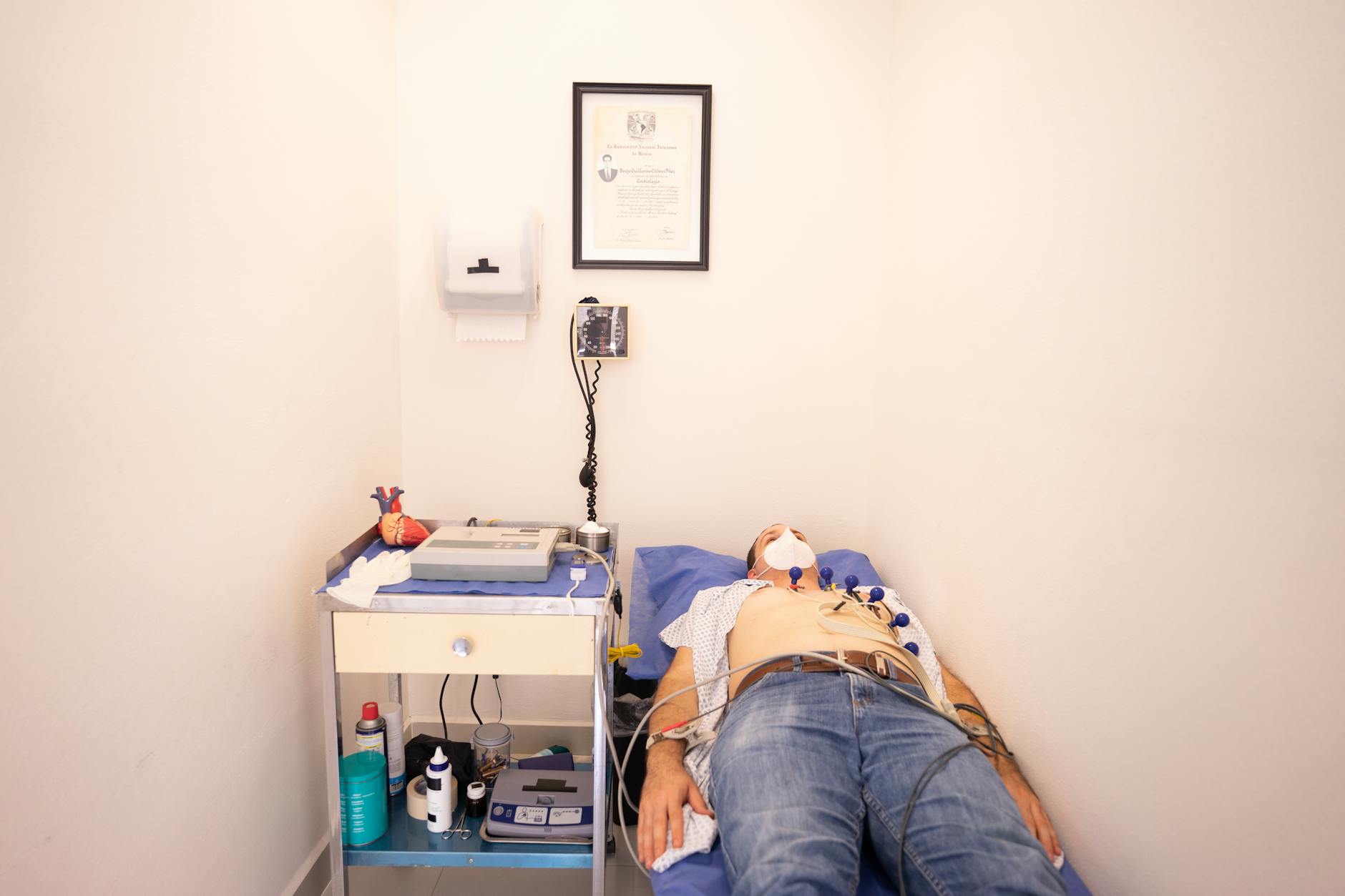
Your doctor will not diagnose angina based on symptoms alone. A thorough evaluation typically includes an electrocardiogram, stress testing, blood work, and possibly imaging like coronary angiography. Stress tests are particularly useful because they measure how your heart responds when it is working hard. Some patients may also undergo a CT coronary angiogram for a detailed look at the arteries. Getting an accurate diagnosis is critical because it determines whether you need medication, lifestyle changes, or a procedure like angioplasty to restore proper blood flow.
10. Treatment Ranges From Lifestyle Changes to Surgery
Managing angina usually starts with lifestyle modifications. Regular exercise, a heart-healthy diet, stress reduction, and quitting smoking can significantly improve symptoms. Medications such as nitroglycerin, beta-blockers, calcium channel blockers, and blood thinners are commonly prescribed. For more severe cases, procedures like angioplasty with stent placement or coronary artery bypass surgery may be necessary. Research suggests that combining medical therapy with sustained lifestyle changes offers the best long-term outcomes. Work closely with your cardiologist to build a treatment plan tailored to your specific situation.
Understanding what angina is and how it manifests empowers you to take action before a more serious cardiac event occurs. If any of these facts resonated with you or described symptoms you have experienced, schedule an appointment with your healthcare provider for a proper evaluation — early intervention can make a meaningful difference in your heart health.
Medical Disclaimer: This article is for informational purposes only and does not constitute medical advice. Always consult a qualified healthcare professional before making health decisions.




