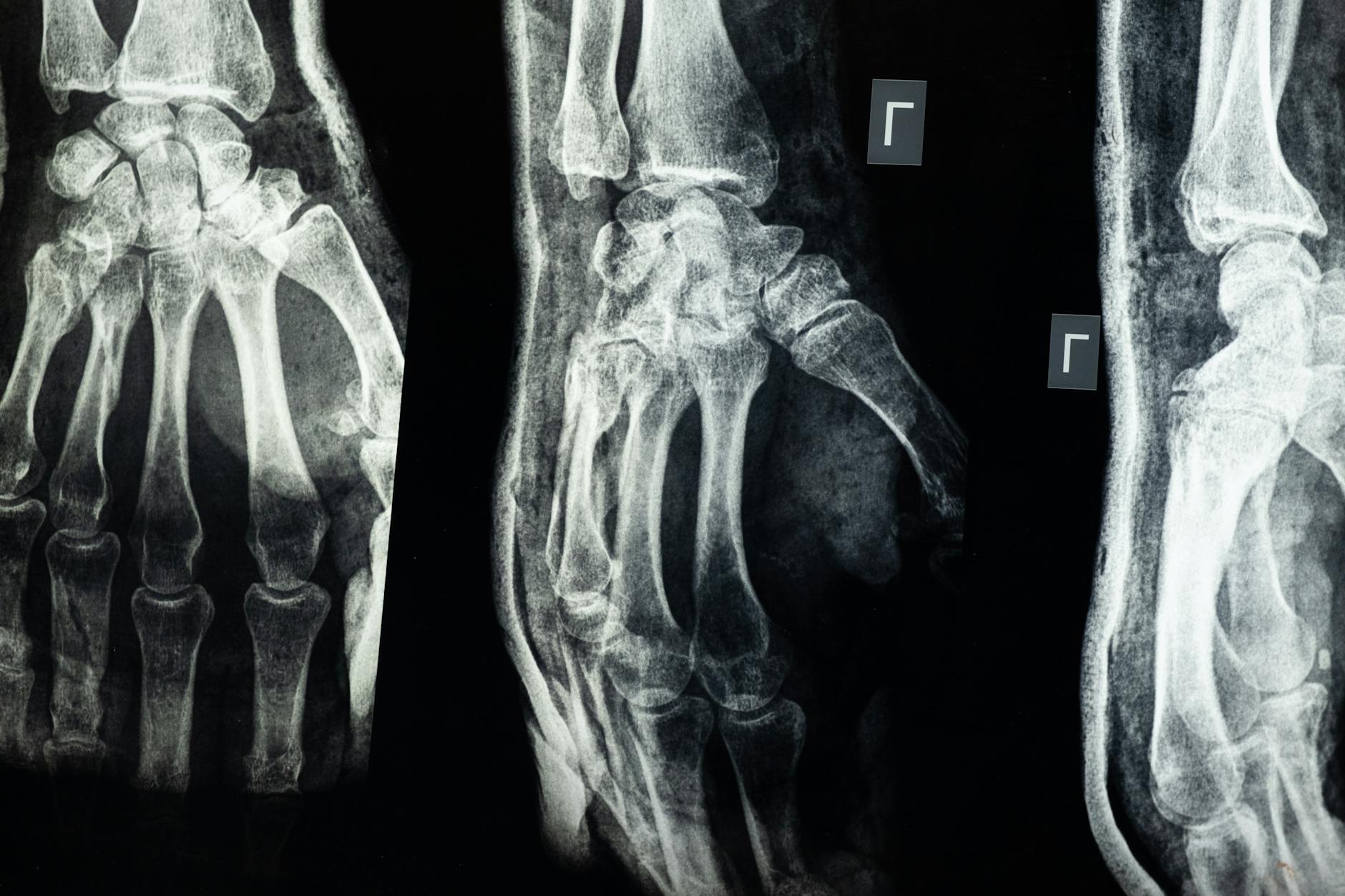
An open fracture — sometimes called a compound fracture — occurs when a broken bone breaks through the skin, creating a wound that exposes bone and deep tissue to the outside environment. This type of injury carries significant risks of infection and complications, making it one of the most urgent orthopedic emergencies. Whether you or someone you love faces this kind of trauma, understanding the basics can help you act quickly and make informed decisions during recovery.
1. An Open Fracture Exposes Bone Through the Skin
Unlike a closed fracture, an open fracture involves a break where bone fragments puncture through the skin or a wound reaches down to the broken bone. This exposure creates a direct pathway for bacteria and debris to enter the body. The wound can range from a small puncture to a large, devastating injury with significant tissue damage. If you ever see bone protruding from a wound after trauma, call emergency services immediately and avoid touching or trying to push the bone back into place.
2. They Are Classified Into Three Main Grades
Doctors use the Gustilo-Anderson classification system to grade open fractures by severity. Grade I involves a clean wound smaller than one centimeter. Grade II features a larger wound with moderate soft tissue damage. Grade III is the most severe, with extensive tissue destruction, contamination, or vascular injury. According to PubMed, severe open fractures involve evolving management strategies including antibiotic timing, debridement approaches, and soft tissue management to reduce complications. Knowing the grade helps the medical team plan the best treatment approach.
3. High-Energy Trauma Is the Most Common Cause
Motor vehicle accidents, falls from significant heights, and sports injuries are leading causes of open fractures. The force required to push bone through skin is substantial, which is why these injuries often accompany other serious trauma. Workplace accidents and gunshot wounds also account for a notable share of cases. Understanding the mechanism of injury helps doctors anticipate the level of contamination and the extent of internal damage they may need to address during surgery.
4. Infection Is the Biggest Threat
Because the wound is open to the environment, bacterial contamination is almost unavoidable at the scene of injury. Research from NCBI/NIH indicates that open fractures require prompt management to minimize bacterial contamination, and timely treatment leads to decreased infection risk. Without proper care, an open fracture can develop osteomyelitis, a deep bone infection that is notoriously difficult to treat. Early intervention with antibiotics and thorough wound cleaning dramatically reduces this risk.
5. Antibiotics Should Be Given as Soon as Possible
Speed matters when it comes to antibiotic treatment for an open fracture. Clinical guidelines recommend administering prophylactic antibiotics within the first hour after injury. First-generation cephalosporins are commonly used for lower-grade fractures, while aminoglycosides may be added for more severe injuries. Studies highlighted by PubMed Central/NIH confirm that early prophylactic antibiotics, wound irrigation, and aggressive debridement reduce complications across all grades of open fractures. Always trust the emergency team to make these time-sensitive medication decisions.
6. Surgical Debridement Is a Critical Step
Debridement is the process of removing dead tissue, dirt, and foreign material from the wound. It is one of the most important surgical steps in open fracture care. The surgeon carefully cleans the wound and removes any tissue that cannot survive. This reduces the bacterial load and gives healthy tissue the best chance to heal. In some cases, patients may need multiple debridement procedures over several days, especially when the initial injury is heavily contaminated or involves significant tissue loss.
7. Fixation Methods Depend on Injury Severity
Once the wound is cleaned, the broken bone needs to be stabilized. Internal fixation with plates, screws, or intramedullary nails is preferred for most open fractures because it provides strong, stable support. However, when there is severe contamination or extensive soft tissue damage, external fixation — a frame outside the body connected to the bone with pins — may be the safer initial choice. The orthopedic surgeon determines the best method based on the fracture grade, location, and the patient’s overall condition.
8. Soft Tissue Coverage Should Happen Promptly
Covering the wound with healthy soft tissue is essential for preventing infection and promoting bone healing. For smaller wounds, surgeons may be able to close the skin directly. Larger defects may require muscle flaps or skin grafts performed by a plastic surgeon. Research published in PubMed Central/NIH suggests that achieving soft-tissue coverage preferably within 72 hours, along with thorough debridement and skeletal stability, is a key strategy to prevent fracture-related infection. This collaborative orthoplastic approach has become the standard of care in many trauma centers.
9. Recovery Is a Long but Manageable Journey
Healing from an open fracture takes significantly longer than a simple closed fracture. Bone healing alone may take three to six months, and some patients need additional surgeries for bone grafting or hardware removal. Physical therapy plays a vital role in restoring strength, flexibility, and function. Patients should expect a gradual return to normal activities and maintain close follow-up with their orthopedic team. Staying patient and consistent with rehabilitation exercises is one of the most important things you can do during recovery.
10. Complications Can Arise Even With Good Care
Despite the best medical treatment, open fractures carry risks of complications that patients should be aware of. Nonunion, where the bone fails to heal, and malunion, where it heals in an improper position, are both possible. Compartment syndrome — dangerous pressure buildup in the muscles — is another emergency that can develop in the hours after injury. Chronic pain and limited range of motion are also reported by some patients long after the fracture heals. Regular follow-up appointments help catch and address these issues early before they become harder to manage.
An open fracture is a serious injury, but modern trauma care has made outcomes significantly better than they were just decades ago. Understanding the basics — from the importance of fast antibiotic treatment to the value of physical therapy — empowers you to be an active participant in your own recovery or support a loved one through theirs. If you or someone near you experiences this type of injury, seek emergency medical care immediately and follow your medical team’s guidance closely.
Medical Disclaimer: This article is for informational purposes only and does not constitute medical advice. Always consult a qualified healthcare professional before making health decisions.




