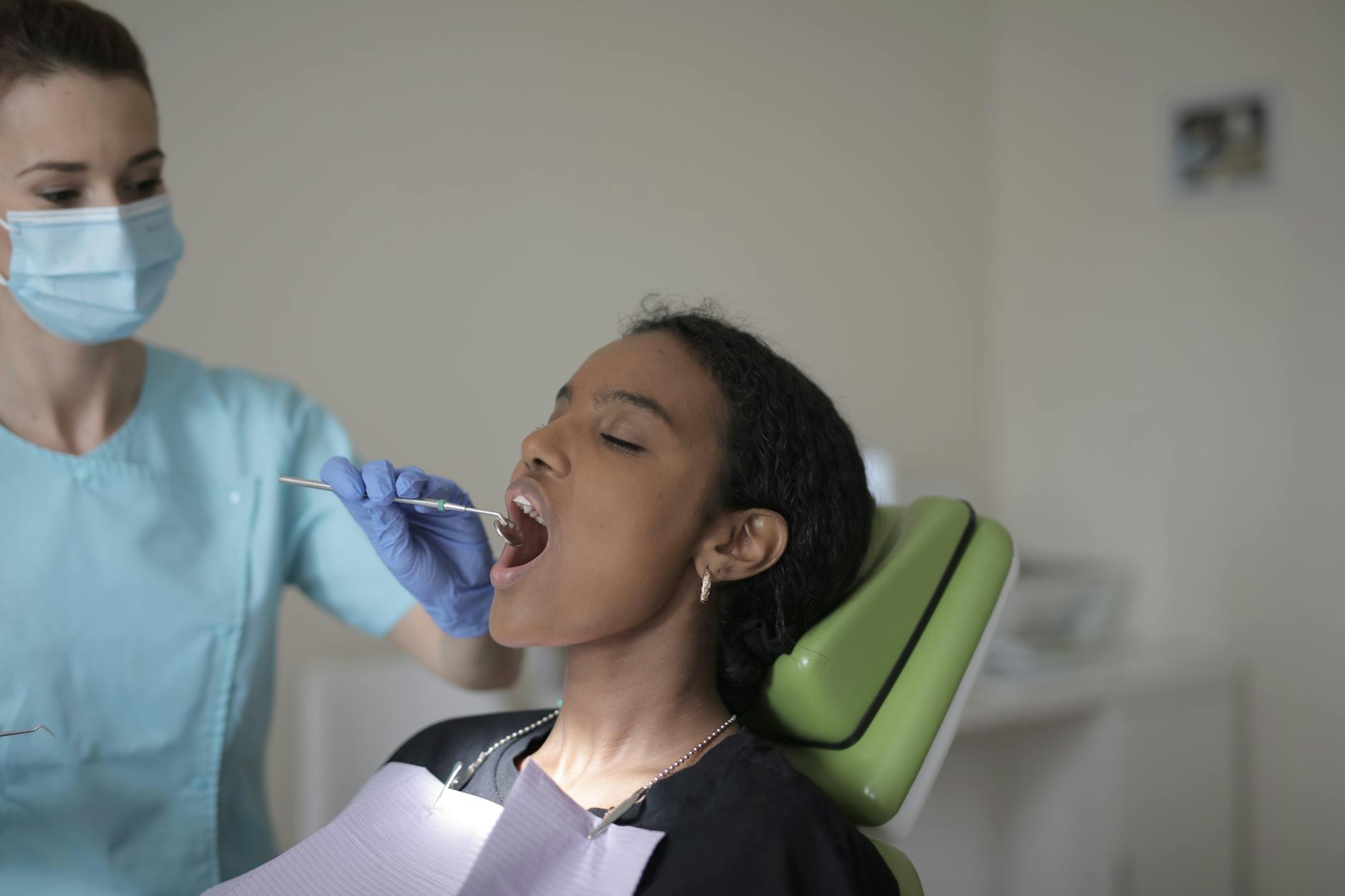
Oral candidiasis — commonly called oral thrush — is a fungal infection that affects people of all ages, from newborns to older adults. Understanding its causes, symptoms, and treatment options can help you catch it early and manage it effectively. Here’s what the latest research reveals about this surprisingly common condition.
1. It’s Caused by an Overgrowth of Candida Yeast
Oral candidiasis occurs when Candida species — a type of yeast that normally lives in your mouth — multiply out of control. Under healthy conditions, your immune system and beneficial bacteria keep Candida levels in check. When that balance is disrupted, the yeast can overgrow and cause white patches, soreness, and irritation on the tongue, inner cheeks, and gums. A PubMed review of 24 studies found that Candida albicans is the most prevalent species, accounting for approximately 81.7% of oral candidiasis isolates. Recognizing this overgrowth mechanism helps explain why the infection often follows periods of weakened immunity or antibiotic use.
2. A Weakened Immune System Is the Primary Risk Factor
Clinical evidence shows that oral candidiasis is closely tied to immune suppression. People living with HIV/AIDS, cancer patients undergoing chemotherapy, and organ transplant recipients on immunosuppressive drugs face significantly higher risk. Even temporary dips in immune function — from severe stress or illness — can open the door. According to the NIH, oral candidiasis is fundamentally a Candida albicans infection secondary to immune suppression. If you have a condition that affects your immune health, talk to your doctor about monitoring for early signs.
3. Babies and Older Adults Are Especially Vulnerable
Age plays a significant role in who develops oral thrush. Newborns have immature immune systems, making them particularly susceptible during the first weeks of life. Older adults, especially those who wear dentures, also face elevated risk due to age-related immune decline and reduced saliva production. Breastfeeding mothers can sometimes pass the infection back and forth with their infants. If you care for someone at either end of the age spectrum, staying alert for white patches or feeding difficulties is a smart precaution.
4. Antibiotics and Corticosteroids Can Trigger It
Certain medications disrupt the natural balance of microorganisms in your mouth. Broad-spectrum antibiotics kill beneficial bacteria that normally keep Candida in check. Inhaled corticosteroids used for asthma are another well-known trigger, particularly when users don’t rinse their mouths after each dose. Prolonged use of oral steroids can also suppress local immune defenses. A simple habit — rinsing your mouth with water after using an inhaler — may significantly reduce your risk of developing oral candidiasis.
5. The Symptoms Are More Varied Than You Might Think
Most people picture white patches when they think of oral thrush, and that’s accurate for the most common form. However, symptoms can also include redness without visible white patches, a cottony feeling in the mouth, and loss of taste. Some people experience cracking and redness at the corners of the mouth, a condition called angular cheilitis. Difficulty swallowing or a sensation of food getting stuck may indicate the infection has spread to the esophagus. If you notice any persistent changes in your mouth’s appearance or sensation, schedule a visit with your healthcare provider.
6. There Are Several Clinical Types
Research identifies multiple forms of oral candidiasis, each with distinct characteristics. Pseudomembranous candidiasis features the classic creamy white lesions that can be wiped away. Erythematous candidiasis appears as smooth red patches and is often painful. Chronic hyperplastic candidiasis presents as firm white plaques that cannot be scraped off. Denture-related stomatitis, another form, causes redness under dentures without obvious white patches. Understanding these different presentations helps explain why diagnosis sometimes requires professional evaluation rather than self-assessment alone.
7. Diagnosis Is Usually Straightforward
In most cases, a doctor or dentist can diagnose oral candidiasis through a simple visual examination. The characteristic white patches that reveal a red, raw surface when scraped are often sufficient for a clinical diagnosis. When the presentation is unclear, a swab of the affected area can be sent for lab culture. A PubMed Central literature review emphasizes that early diagnosis and identifying predisposing factors are critical first steps in effective management. Don’t hesitate to seek evaluation if symptoms persist beyond a week.
8. Topical Antifungals Are the First Line of Treatment
For mild to moderate cases, topical antifungal medications are typically the go-to treatment. Nystatin oral suspension and clotrimazole troches are among the most commonly prescribed options. These medications work directly on the affected tissue with minimal systemic side effects. Treatment usually lasts one to two weeks, and improvement often begins within a few days. For more stubborn or severe infections, systemic antifungals like fluconazole may be necessary. Following your prescribed treatment course completely — even after symptoms improve — helps prevent recurrence and drug resistance.
9. Probiotics May Help Reduce Your Risk
Emerging research suggests that probiotics could play a supportive role in preventing oral candidiasis. A PubMed meta-analysis of 13 randomized controlled trials found that probiotics significantly reduced the odds of developing the condition, with stronger protective effects seen in susceptible populations like older adults and denture wearers. Probiotics may work by restoring healthy microbial balance in the mouth and competing with Candida for resources. While probiotics shouldn’t replace antifungal treatment, they may serve as a complementary strategy. Ask your healthcare provider if adding a probiotic could be appropriate for your situation.
10. Prevention Starts with Good Oral Hygiene
Maintaining strong oral hygiene habits is one of the most effective ways to reduce your risk of oral candidiasis. Brush your teeth twice daily and clean your tongue gently. If you wear dentures, remove them at night and clean them thoroughly each day. Limiting sugar intake matters too, since Candida thrives on sugar. Regular dental checkups allow your dentist to spot early signs before they become problematic. Stay well-hydrated to support saliva production, which serves as a natural defense against fungal overgrowth in the mouth.
Oral candidiasis is common, treatable, and often preventable with the right knowledge and habits. Whether you’re managing risk factors or dealing with active symptoms, early action and professional guidance make a meaningful difference. Start by reviewing your oral hygiene routine and discussing any concerns with your dentist or doctor at your next visit.
Medical Disclaimer: This article is for informational purposes only and does not constitute medical advice. Always consult a qualified healthcare professional before making health decisions.




