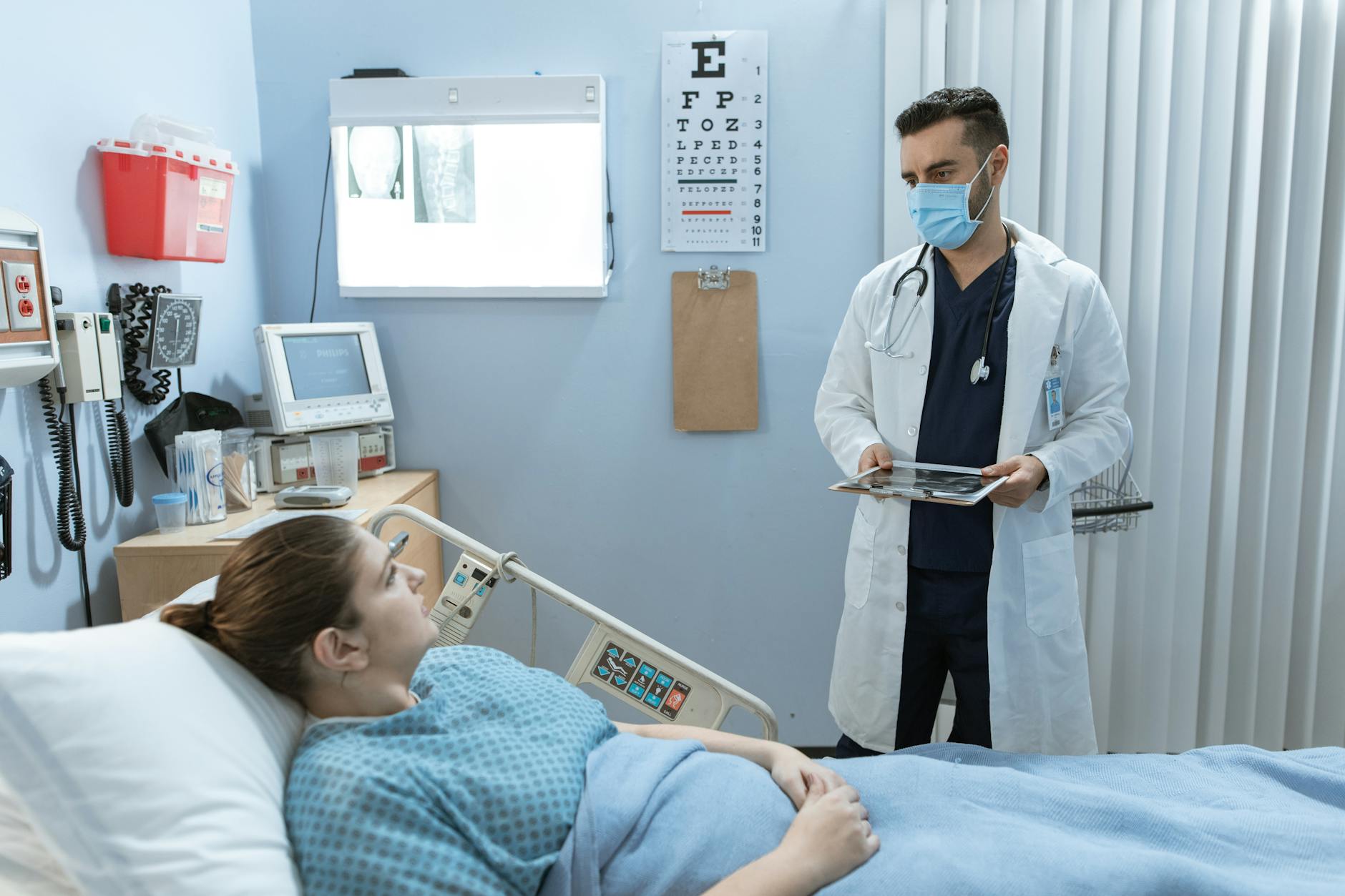
Paralytic ileus affects hundreds of thousands of hospitalized patients each year, most commonly after abdominal surgery. Understanding this condition can help patients recognize warning signs early and work with their care teams to speed recovery. Here is what the research tells us about this often-overlooked gastrointestinal complication.
1. It Is a Neurogenic Bowel Condition, Not a Physical Blockage
Unlike a mechanical bowel obstruction caused by a tumor or scar tissue, paralytic ileus involves the temporary paralysis of intestinal muscles. The nerves that coordinate the wave-like contractions pushing food through your gut simply stop firing properly. According to a comprehensive review published in NIH/PMC, this neurogenic impairment disrupts normal bowel motor activity without any physical barrier present. The bowel essentially falls asleep. This distinction matters because treatment focuses on waking the gut back up rather than removing an obstruction. If your doctor suspects paralytic ileus, imaging studies are typically used to rule out a mechanical cause first.
2. Surgery Is the Most Common Trigger
Abdominal and pelvic surgeries are the leading cause of paralytic ileus. The physical handling of intestines during an operation, combined with anesthesia and pain medications, can temporarily shut down gut motility. Research suggests that the incidence of postoperative paralytic ileus ranges widely, from roughly 1.5 percent to over 23 percent depending on the type of surgery performed. Even procedures outside the abdomen, such as spinal surgery, can trigger the condition. Understanding this risk before your operation helps you prepare and communicate symptoms to your surgical team quickly.
3. Opioid Pain Medications Make It Worse
Opioids are among the most well-documented culprits behind prolonged paralytic ileus. These medications bind to receptors in the gut wall, directly slowing intestinal contractions. Clinical evidence shows that reducing opioid use after surgery is one of the most effective strategies for preventing this condition. Many surgical teams now use multimodal pain management approaches. These include nerve blocks, acetaminophen, and anti-inflammatory drugs to minimize opioid exposure. If you are recovering from surgery, ask your care team about opioid-sparing pain relief options.
4. It Affects a Staggering Number of Patients Nationwide
The scope of paralytic ileus is larger than many people realize. A national inpatient hospitalization analysis published in PubMed documented between 362,561 and 470,110 cases annually in the United States between 2001 and 2011. Those numbers reflect a significant burden on the healthcare system and on individual patients facing extended hospital stays. The condition occurs across all age groups and demographics, though certain populations face higher risk. Awareness of these numbers underscores why prevention strategies during surgical care are so important.
5. Recognizing the Symptoms Early Is Critical
The hallmark symptoms of paralytic ileus include abdominal bloating, nausea, vomiting, and the absence of bowel sounds. Patients often report feeling uncomfortably full without being able to pass gas or have a bowel movement. These signs may develop gradually over hours or appear suddenly. Early recognition allows doctors to intervene before complications like aspiration or severe dehydration develop. If you notice a swollen, silent abdomen after surgery or during a hospital stay, report it to your nurse immediately rather than waiting for it to resolve on its own.
6. Certain Risk Factors Increase Your Chances
Not everyone faces the same likelihood of developing paralytic ileus. A systematic review of 77 studies comprising nearly 14,000 patients identified several key risk factors, including older age, higher body mass index, and longer operative times. Electrolyte imbalances, particularly low potassium levels, also play a significant role. Patients with diabetes or those taking certain psychiatric medications may face elevated risk as well. Knowing your personal risk factors allows you and your doctor to take preventive steps before and after surgery.
7. Minimally Invasive Surgery Can Lower the Risk
Laparoscopic and robotic-assisted surgeries are associated with a lower incidence of paralytic ileus compared to traditional open procedures. Smaller incisions mean less tissue trauma and reduced inflammation around the intestines. Studies indicate that minimally invasive approaches also lead to shorter hospital stays and faster return of bowel function. Not every procedure can be performed this way, but when it is an option, research supports its benefits for gut recovery. Ask your surgeon whether a minimally invasive approach is feasible for your specific situation.
8. Early Mobilization Helps Wake Up the Gut
Getting out of bed and walking soon after surgery is one of the simplest and most effective interventions for preventing paralytic ileus. Physical movement stimulates nerve activity in the intestinal wall and encourages the return of normal peristalsis. Even short, supervised walks down a hospital corridor can make a measurable difference. Many enhanced recovery protocols now recommend mobilization within hours of surgery when safe. It may feel uncomfortable at first, but gentle movement signals your body that it is time to get the digestive system back online.
9. The Condition Carries a Global Health Burden
Paralytic ileus is not just a concern in wealthy nations with advanced surgical infrastructure. A global health burden assessment published in PubMed revealed significant disparities in outcomes across regions and socioeconomic contexts. In lower-resource settings, delayed diagnosis and limited access to supportive care can make the condition far more dangerous. The study underscores that paralytic ileus remains a significant surgical emergency worldwide. Addressing these disparities requires improved training, better diagnostic tools, and standardized care protocols across healthcare systems globally.
10. Treatment Focuses on Supportive Care and Patience
There is no single medication that instantly resolves paralytic ileus. Treatment typically involves bowel rest, meaning nothing by mouth, along with intravenous fluids and electrolyte correction. A nasogastric tube may be placed to relieve pressure and prevent vomiting. Some medications like alvimopan may help in specific postoperative cases. Chewing gum has also shown promise in clinical trials as a simple way to stimulate gut nerves. Most cases resolve within a few days with proper supportive care, but severe or prolonged episodes may require additional interventions from a gastroenterologist.
Paralytic ileus is a common yet underappreciated complication that can significantly extend recovery time after surgery or illness. By understanding the risk factors, recognizing early symptoms, and working closely with your healthcare team on prevention strategies, you can take meaningful steps to protect your gut health. Talk to your doctor before any planned surgery about steps to reduce your personal risk.
Medical Disclaimer: This article is for informational purposes only and does not constitute medical advice. Always consult a qualified healthcare professional before making health decisions.




