Reflex sympathetic dystrophy, now widely known as complex regional pain syndrome (CRPS) type 1, affects an estimated 200,000 people in the United States each year. This chronic pain condition can develop after an injury, surgery, or even a minor trauma, leaving patients with burning pain that far exceeds the original cause. Understanding its warning signs, triggers, and available treatments can make a meaningful difference in outcomes.
1. It Is a Chronic Pain Syndrome Triggered by Trauma
Reflex sympathetic dystrophy typically develops after some form of physical trauma. This could be a fracture, surgery, sprain, or even a minor soft tissue injury. What makes the condition so puzzling is that the resulting pain is dramatically out of proportion to the initial event. Research indicates that the condition is initiated by trauma and features regional pain, sensory changes, vasomotor instability, and edema. The nervous system essentially overreacts, sending continuous pain signals long after the original injury has healed. If you experience unexplained, escalating pain after an injury, bring it to your doctor’s attention promptly.
2. Burning Pain Is the Hallmark Symptom
The most recognizable symptom of reflex sympathetic dystrophy is an intense, burning pain in the affected limb. Patients often describe it as a deep, constant fire beneath the skin. This pain can worsen with movement, touch, or even emotional stress. Clinical evidence shows that burning pain, hyperesthesia, swelling, and hyperhidrosis are key features of the syndrome. The pain is not imagined or exaggerated. It reflects real changes in how the nervous system processes signals. Keeping a detailed pain journal can help your healthcare provider make an accurate assessment.
3. It Was Renamed Complex Regional Pain Syndrome
Medical professionals now generally refer to reflex sympathetic dystrophy as complex regional pain syndrome type 1. The name change occurred in the 1990s to better reflect the condition’s complex nature. CRPS type 1 occurs without confirmed nerve damage, while CRPS type 2 involves a verified nerve injury. Despite the updated terminology, many patients and older clinical literature still use the original name. Understanding both terms can help you navigate medical conversations and research more effectively. Ask your doctor which classification applies to your specific diagnosis.
4. It Can Affect Any Limb but Often Starts in the Extremities
Reflex sympathetic dystrophy most commonly affects the arms, hands, legs, or feet. It usually begins in a single limb close to the site of the original injury. However, studies suggest that in some cases, the condition can spread to other limbs or even affect the entire body. The affected area may appear swollen, red, and warm in early stages. Over time, the skin can become cool, pale, and shiny. Recognizing these visual changes early is important because prompt treatment tends to yield better results.
5. Early Diagnosis Is Critical for Preventing Disability
One of the greatest challenges with reflex sympathetic dystrophy is that it is often diagnosed late. Many patients see multiple specialists before receiving an accurate answer. Research emphasizes that early diagnosis and treatment are essential to prevent long-term disability and functional decline. The diagnosis is primarily clinical, meaning doctors rely on symptoms and physical examination rather than a single definitive test. Blood work and imaging may be used to rule out other conditions. If your pain feels disproportionate to your injury, advocate for a specialist referral sooner rather than later.
6. The Sympathetic Nervous System Plays a Central Role
The sympathetic nervous system controls involuntary functions like blood flow and sweating. In reflex sympathetic dystrophy, this system appears to malfunction. It sends abnormal signals that amplify pain and cause changes in skin temperature, color, and moisture. This is why patients often experience excessive sweating or alternating hot and cold sensations in the affected limb. Treatments that target sympathetic nervous system activity have shown promise in managing symptoms. Understanding this mechanism can help patients make sense of their wide-ranging and sometimes confusing symptoms.
7. Physical Therapy Is a Cornerstone of Treatment
Despite the significant pain involved, gentle and guided physical therapy remains one of the most important treatment strategies. The goal is to maintain range of motion, prevent muscle wasting, and gradually desensitize the affected area. Patients may understandably fear movement, but prolonged immobility often worsens the condition. A physical therapist experienced with CRPS can design a progressive program that respects pain limits while encouraging recovery. Mirror therapy, where movements of the unaffected limb are reflected, has also shown encouraging results. Starting therapy early in the disease course tends to improve long-term function.
8. Sympathetic Nerve Blocks May Offer Relief
Sympathetic nerve blocks are a procedural treatment that involves injecting an anesthetic near the sympathetic nerves. The aim is to interrupt the abnormal pain signals driving the condition. Many patients experience significant, though sometimes temporary, pain relief after these injections. Clinical evidence suggests that sympathetic blockade has been a traditional and frequently employed treatment approach for reflex sympathetic dystrophy. A series of blocks may be recommended alongside physical therapy. Talk to a pain management specialist to determine whether this option is appropriate for your situation.
9. Certain Medications May Help Manage Symptoms
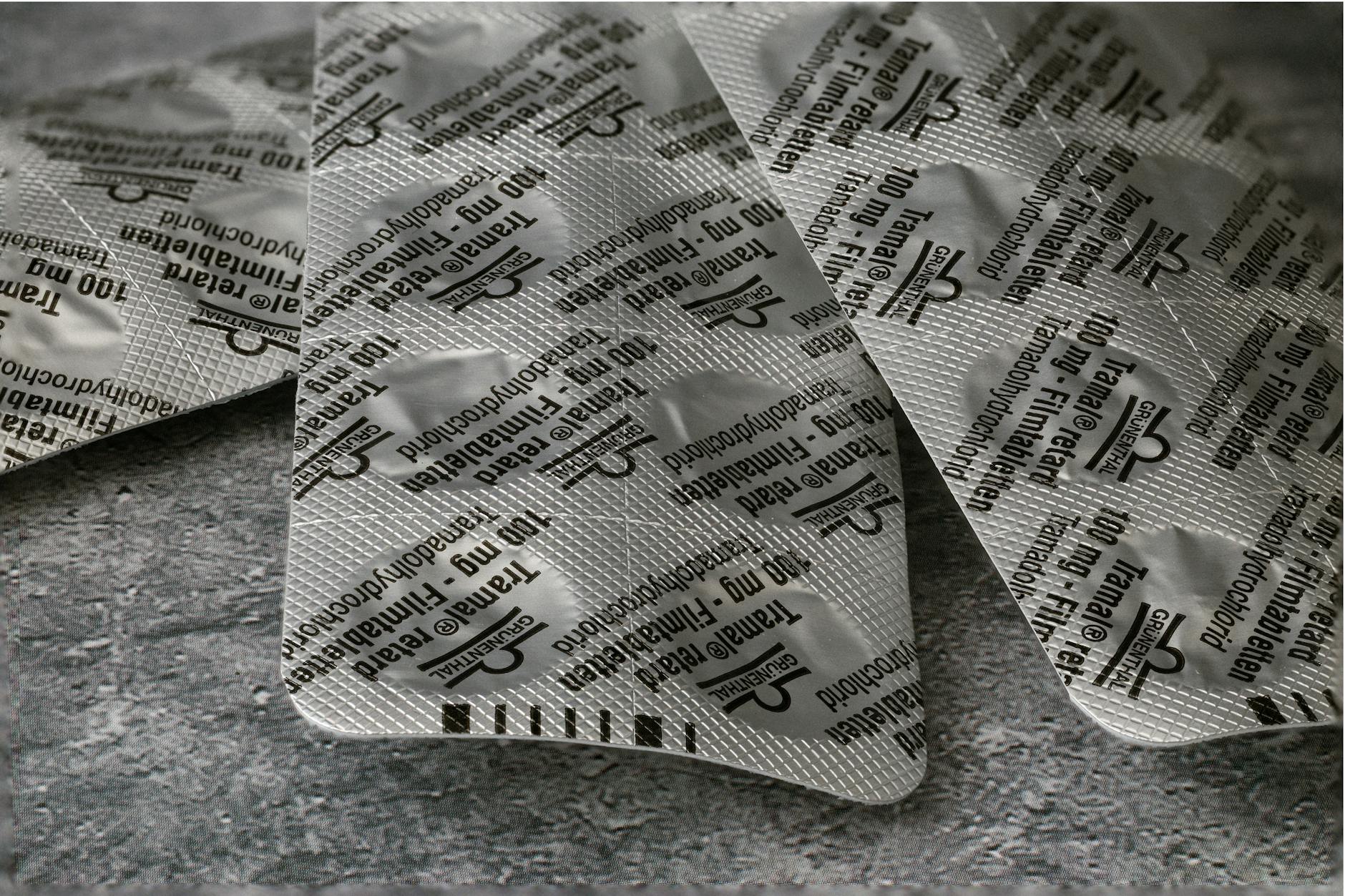
There is no single medication that cures reflex sympathetic dystrophy, but several drug classes may help reduce symptoms. These include anti-inflammatory drugs, anticonvulsants, antidepressants, and corticosteroids. Interestingly, a meta-analysis of randomized controlled trials found that calcitonin provides effective pain relief in CRPS type 1, while some other pharmacological approaches showed less consistent results. Topical treatments like capsaicin cream may also be considered. Because individual responses vary widely, medication plans are typically tailored through trial and careful monitoring. Always work with your prescribing physician to adjust dosages safely.
10. Emotional and Psychological Support Matters
Living with reflex sympathetic dystrophy takes a significant emotional toll. Chronic pain can lead to anxiety, depression, sleep disruption, and social isolation. Studies suggest that psychological support, including cognitive behavioral therapy, can improve coping skills and quality of life. Support groups, whether in person or online, also provide valuable connection with others who understand the experience. The mind-body relationship in chronic pain is well documented, and addressing mental health is not optional but essential. If you are struggling emotionally, reach out to a mental health professional who specializes in chronic pain conditions.
Reflex sympathetic dystrophy is a challenging condition, but knowledge truly is power when it comes to managing it. Early recognition, a multidisciplinary treatment approach, and strong emotional support can dramatically improve quality of life. If you suspect you or someone you love may be experiencing symptoms, schedule an appointment with a healthcare provider who has experience with CRPS as soon as possible.
Medical Disclaimer: This article is for informational purposes only and does not constitute medical advice. Always consult a qualified healthcare professional before making health decisions.




